What Does Mostar Mean In English?
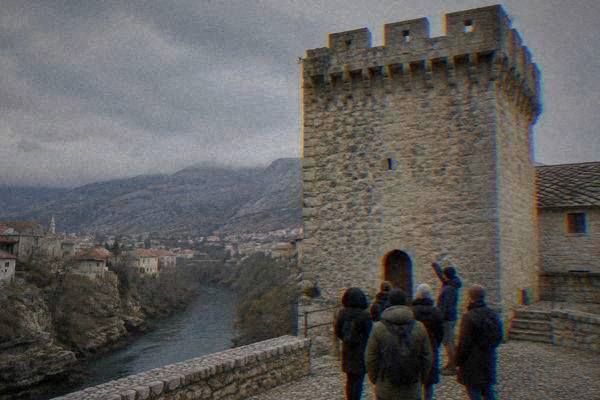
Mostar takes its name from the mostari, the keepers of the old wooden bridge on the Neretva. The name first appears in writing in 1474.
Mostar, the city on the Neretva river in Herzegovina, Bosnia and Herzegovina, carries a name that describes a job. It comes from the word "mostari", which in the local language means the keepers of a bridge, the people who guarded the town's river crossing. The city took its name from those men. The Old Bridge Area of the Old City of Mostar has been a UNESCO World Heritage property since 2005, and the name of the whole city still points back to the river and the crossing that made the place matter in the first place.
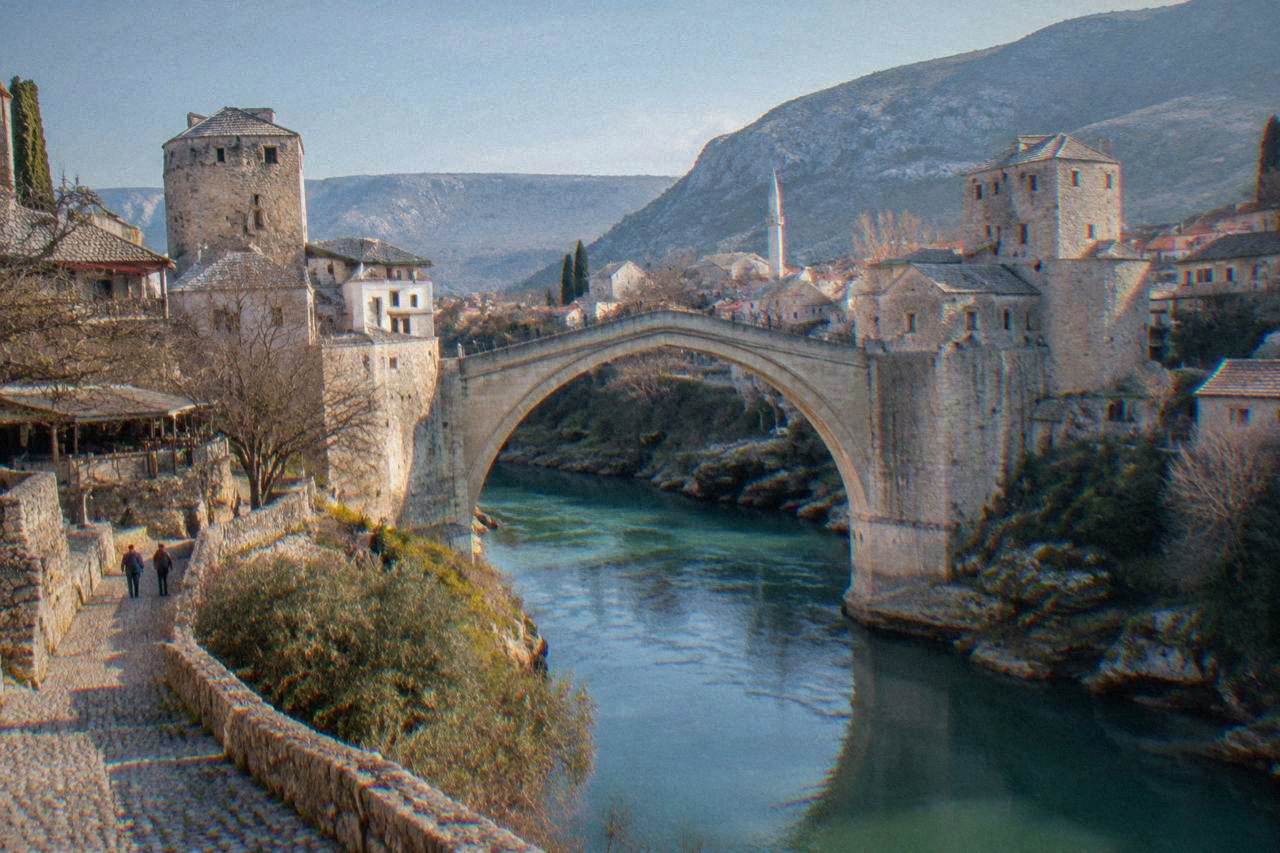
In English, Mostar means, in effect, "the place of the bridge keepers". The name comes from "mostari", the keepers who watched over the town's earlier wooden bridge on the Neretva river, and it is tied to the root "most", the local word for bridge. The city of about 105,000 people (2013 census) in Herzegovina, Bosnia and Herzegovina, is therefore named after a crossing and the people who guarded it.
The bridge keepers were not decorative. A wooden crossing over a cold, fast karst river was valuable property in an Ottoman frontier town, and somebody had to watch it, collect dues at it and keep it in repair. The settlement grew around that duty, and the duty named the settlement. It is a plain, practical origin for a name, closer to how mill towns and ferry towns were named elsewhere in Europe than to any grand founding legend.
The root word still does visible work in the city today. The stone bridge everyone photographs is Stari Most, where "stari" means old and "most" is bridge, so the full name of the landmark is simply "Old Bridge". The city and its landmark share the same syllable, and that syllable is the whole story of the name.
Where Does The Name Of Mostar Come From?
The name of Mostar comes from the people, not from a person or a conqueror. The UNESCO description of the World Heritage property states that the settlement's name derives from "mostari", the bridge keepers, the men who guarded the wooden predecessor of the famous stone bridge on the Neretva. In the languages spoken in Bosnia and Herzegovina, "most" is the word for bridge, and the keepers were its custodians.
So the grammar of the name runs: most (bridge) plus mostari (the keepers) plus a place-name ending that turns the word for the keepers into the word for their town. English does the same thing with words like "Oxford", a ford where oxen crossed. Mostar is a bridge town in the most literal sense, and the name was earned before a single stone of the famous arch was laid.
The wooden bridge the keepers watched stood where the stone arch stands now, or very close to it. The stone replacement was completed in 1566, commissioned under Suleiman the Magnificent and built by the architect Mimar Hayruddin. The keepers were already on the job long before that, because the town and its name existed first. The bridge that made the city famous arrived in a place that already had a bridge-derived name.
A name this old leaves traces in other place names around the city. The table below gathers the ones a visitor actually meets, with their literal English meanings.
| Name | Literal Meaning In English | What It Is |
|---|---|---|
| Mostar | Place of the bridge keepers (from "mostari") | The city itself |
| Stari Most | Old Bridge | The 1566 stone arch, a UNESCO World Heritage property since 2005 |
| Kriva ćuprija | Crooked Bridge | The small single-arch bridge near the Old Town |
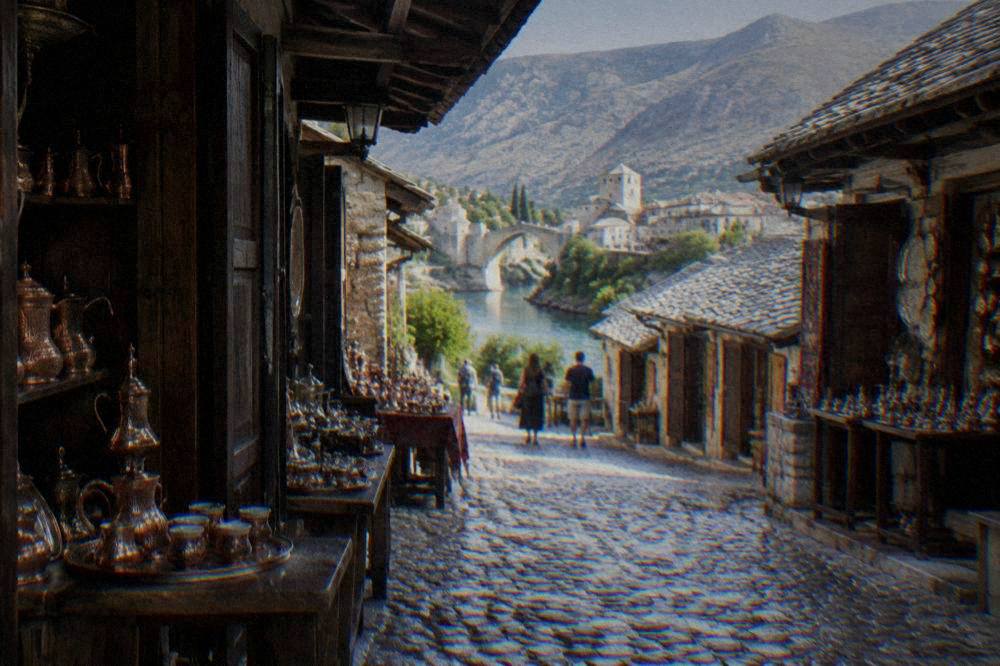
| Kujundžiluk | The coppersmiths' street (the bazaar quarter named for its trade) | The Old Bazaar below Stari Most |
The pattern is consistent: the old names of the city describe function. A bridge, its keepers, its craftsmen. Nobody needed a poetic name, because everyone already knew what the town was for.
Who Were The Mostari Of Mostar?
The mostari were the keepers of Mostar's wooden bridge, the guards and custodians of the crossing over the Neretva, and their title became the name of the town that grew around them. The UNESCO World Heritage description records the derivation plainly, and the word survives in the name of the diving club "Mostari", whose members still jump from Stari Most, about 21 to 24 metres above the river depending on its level.
That last detail is a genuine continuity. The club that organises the traditional diving competition held its 460th edition on 26 July 2026, and it carries the same name as the medieval bridge keepers. The 460th edition number points to a tradition the club counts back centuries, well before the modern spectacle. When the Red Bull Cliff Diving World Series came to Mostar from 30 July to 1 August 2026, the first day was given to the traditional bridge jumps from Stari Most itself before the raised platforms were used on the days that followed.
The keepers' bridge was replaced, but the crossing kept its importance. Stari Most stood from 1566 until it was destroyed on 9 November 1993 during the war, and it was rebuilt and reopened in July 2004, work supported by UNESCO and World Bank partners. The inscription of the Old Bridge Area on the World Heritage List followed in 2005, under criterion (vi), recognising the bridge as a symbol of coexistence and reconciliation. The name of the city thus wraps around the whole arc: keepers, bridge, loss, rebuilding.
How Old Is The Name Of Mostar?
The first written mention of the name Mostar is recorded in 1474, in a document of the Dubrovnik Republic, with an earlier reference to the settlement's towers and bridge area from 1452. The stone bridge, which often gets the credit for the name, was not completed until 1566, so the name is roughly a century older than the arch it is associated with. The name was born with a wooden bridge, not the famous stone one.
That chronology matters because it corrects a common assumption. Visitors see the dramatic stone arch, read that it was finished in 1566, and conclude the city was named for it. The documents say otherwise. The town was already called something meaning bridge keepers' place while its crossing was still timber, and the great stone bridge inherited the role rather than creating it.
A short timeline of the dated facts behind the name:
| Year | Event |
|---|---|
| 1452 | Early reference to the settlement's towers and bridge area |
| 1474 | First written mention of the name Mostar, in a Dubrovnik Republic document |
| 1566 | Completion of Stari Most, the stone bridge, under Suleiman the Magnificent |
| 1993 | Stari Most destroyed on 9 November during the war |
| 2004 | The rebuilt bridge reopened in July |
| 2005 | The Old Bridge Area inscribed as a UNESCO World Heritage property |
The settlement itself is older than its first mention, and the UNESCO description places its establishment as a settlement in the 15th century, growing under Ottoman rule into a town around the crossing. For more on the layers behind the landmark, the companion page on why the Mostar bridge is famous covers the arch itself, and what is so special about Mostar sets the name in the wider context of the city.
How The Name Of Mostar Sounds In Its Own Languages
Mostar sits in a country where three languages are official, Bosnian, Croatian and Serbian, and in all of them the city's name is spelled and pronounced the same, because the word for bridge, "most", is shared across all three. The name needs no translation inside Bosnia and Herzegovina; it only changes for outsiders. English speakers get the meaning, "bridge keepers' place", from the derivation recorded by UNESCO rather than from a direct equivalent word.
For travellers, the practical side of this is simple. A sign reading "Most" on a road is pointing to a bridge, "Mostar" remains Mostar in every local script in everyday Latin use, and the diacritic forms a visitor meets, Kujundžiluk, Počitelj, Međugorje, follow the same spelling rules the site uses throughout. The language question is broader than the name question, and it is covered in full on the page about what language they speak in Mostar.
A few quick facts about the city behind the name, all of which a visitor planning a trip will use:
| Fact | Detail |
|---|---|
| Country | Bosnia and Herzegovina, not in the EU or Schengen |
| Region | Herzegovina, on the Neretva river, inland with no sea coast |
| Currency | Convertible mark (KM, BAM), pegged at 1 EUR = 1.95583 KM |
| Population | About 105,000 (2013 census), City of Mostar |
| World Heritage | Old Bridge Area of the Old City of Mostar, inscribed 2005 |
The name, in other words, is the doorway to everything else: the river it crossed, the trade that gathered at it, the three languages spoken around it and the country whose currency and borders shape any visit.
Common Questions About The Meaning Of Mostar
These are the short answers to the questions that come up again and again about the name of Mostar, from its literal meaning to its first appearance in writing. Each one is answered from the dated record: the derivation from "mostari", the bridge keepers, and the first written mention of the name in 1474.
What does Mostar mean in English?
Mostar essentially means "the place of the bridge keepers". It comes from "mostari", the keepers who guarded the town's earlier wooden bridge over the Neretva river. The syllable "most" is the local word for bridge, the same word that appears in Stari Most, the Old Bridge.
Is Mostar named after the Old Bridge?
Only indirectly. The name refers to the keepers of a wooden bridge that stood before the stone arch, and the first written mention of the name dates to 1474. The stone bridge was completed in 1566, roughly a century later, so the name predates the famous landmark.
Who were the mostari?
The mostari were the keepers or guardians of the bridge, the people who watched the river crossing, kept it in order and collected dues at it. Their title became the name of the settlement. The name survives today in the Mostari diving club, whose members dive from Stari Most.
Does Mostar mean bridge?
Not quite. "Most" is the word for bridge, and "mostari" means the bridge keepers. Mostar is the place associated with those keepers, so the name means a bridge keepers' town rather than simply a bridge.
How old is the name Mostar?
The first written mention of the name is from 1474, in a document of the Dubrovnik Republic, with an earlier 1452 reference to the settlement's towers and bridge area. The name is therefore older than the stone bridge of 1566 that made the city famous.
The bridge keepers gave a permanent job title to a city of about 105,000 people, and every walk across Stari Most passes through the meaning of its name. This page sits alongside the wider coverage on Mostar Travel Guide, from the story of the arch to the streets of the bazaar that grew beside it.