Hutovo Blato: Birds And Boats In The Neretva Wetlands Near Mostar
Hutovo Blato is a karst wetland on the Neretva river system about an hour's drive south of Mostar, run as a nature park with boat trips, birdwatching and fish ponds. Here is what to expect, what it reportedly costs and how to fit it into a Herzegovina day.
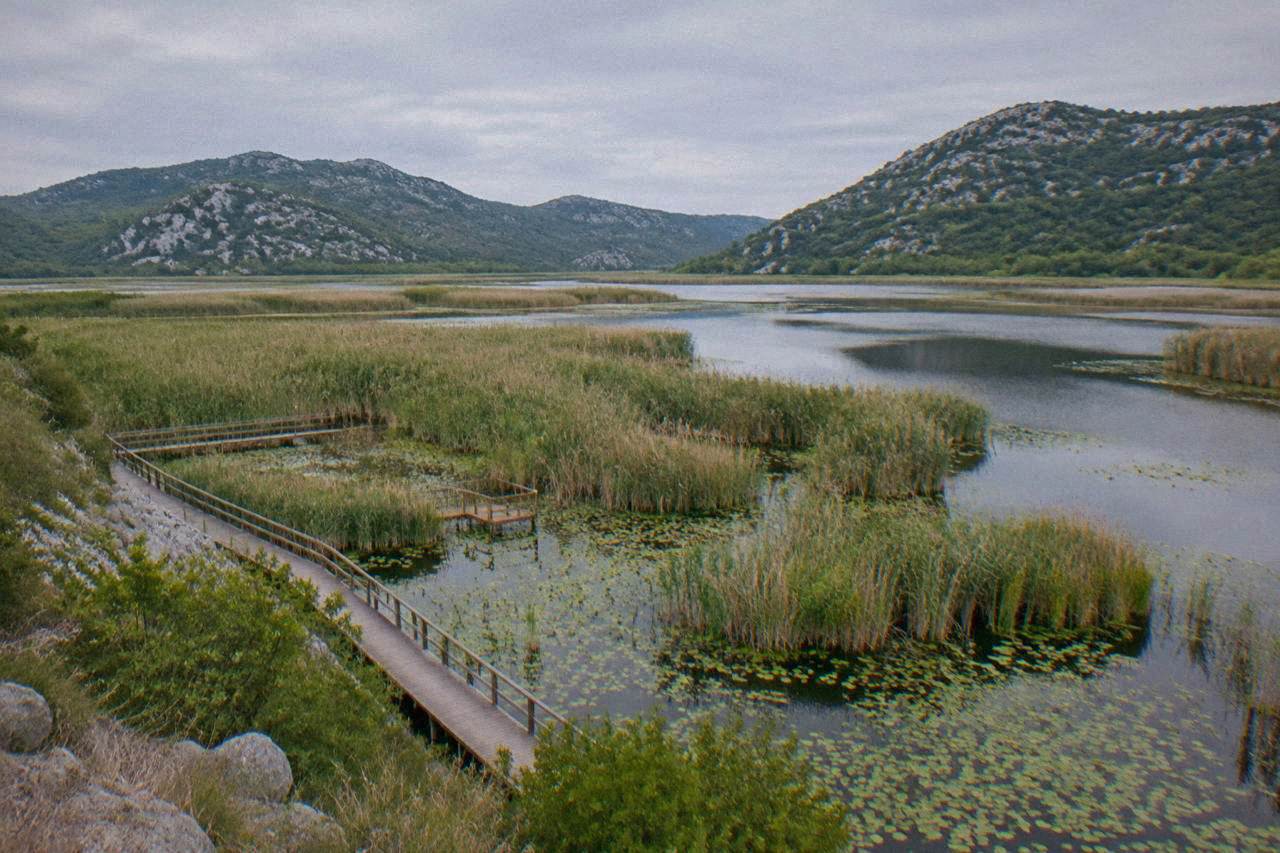
Hutovo Blato sits 48.1 km and about 62 minutes by road from Stari Most in Mostar. The park is reported open April to November, roughly 08:00 to 18:00, with entry around 5 KM and a boat safari around 20 KM. Confirm fees and hours at the park before you go.
Mostar gets the bridge, the bazaar and the crowds, but an hour's drive south the country changes character entirely. Hutovo Blato is a karst wetland of lakes, reed beds, channels and fish ponds fed by the Neretva river system, where the Neretva reappears from underground and slows into a marsh that birds use as a resting ground on migration. The park sits in the lower Neretva basin near Čapljina, 48.1 km and about 62 minutes by road from Stari Most, free-flow and without border queues, because it is inside Bosnia and Herzegovina the whole way. This guide covers what the park is, what a visit reportedly costs, when the birds pass through and how to fold it into a wider Herzegovina itinerary alongside Blagaj and Kravica waterfall.
What Is Hutovo Blato And Where Does It Sit Relative To Mostar?
Hutovo Blato is a nature park protecting a karst wetland in the lower Neretva basin, about 48 km by road south of Mostar near the town of Čapljina, where river water that sinks underground re-emerges through karst springs and spreads into lakes, channels and reed beds. It is one of the largest remaining wetlands of its type on the eastern Adriatic side, and it is managed as a protected area with visitor trails and boat trips.
The park lies entirely inside Bosnia and Herzegovina, so no border crossing is involved on the drive from Mostar.
The name describes the mechanism. "Blato" means mud or marsh, and the Hutovo basin collects water from the Neretva's sinking stretches through a network of karst springs, the largest being the Krupa and the springs at Deransko jezero, the lake at the heart of the visitor area. Because the water arrives filtered through limestone, the lakes are strikingly clear for a wetland, and the whole basin drains back toward the Neretva through the Krupa river on its way to meet the main channel near Metković, just across the line in Croatia.
For a visitor coming from Mostar the appeal is contrast. The city is stone, bridge and bazaar; Hutovo Blato is flat water, reeds, herons and fish ponds framed by dry limestone hills. The park covers a compact core of lakes and channels plus surrounding woodland and rocky slopes, walkable on marked paths and explorable by boat. Fishing has a long tradition in the ponds, and birdlife is the headline: the wetland sits on the Adriatic flyway, the migration route birds follow between Europe and Africa across the Balkans, which makes spring and autumn the productive periods.
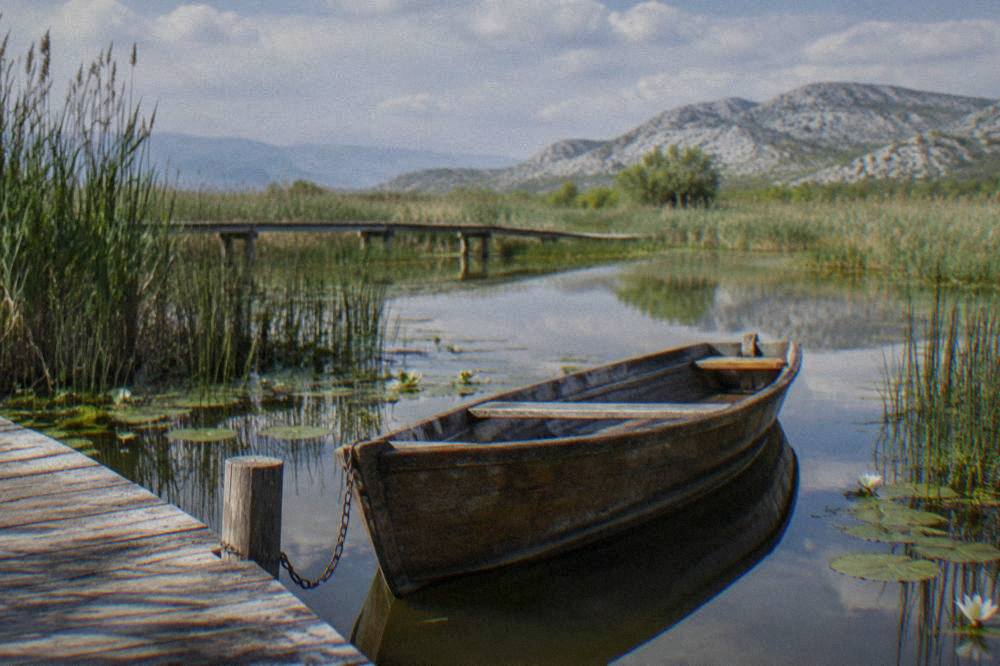
A second reason the park matters is conservation history. The lower Neretva basin was once an unbroken chain of wetlands from Hutovo Blato down to the delta, and drainage and regulation have eaten away at it on both sides of today's border. What remains at Hutovo Blato is a protected remnant, which is why the site carries nature park status and why the boat safaris and trails are the sanctioned way to see it, keeping pressure on the habitat light.
How Do You Get From Mostar To Hutovo Blato?
The drive from Stari Most in Mostar to Hutovo Blato covers 48.1 km and takes about 62 minutes in free-flow traffic, routed south down the Neretva valley toward Čapljina and then out to the park entrance near the lakes. The route stays inside Bosnia and Herzegovina the whole way, with no border checks.
Buses run along the Mostar to Čapljina corridor, but the final stretch from Čapljina out to the park is short and local, so a car, a taxi or an organised day tour is the practical choice.
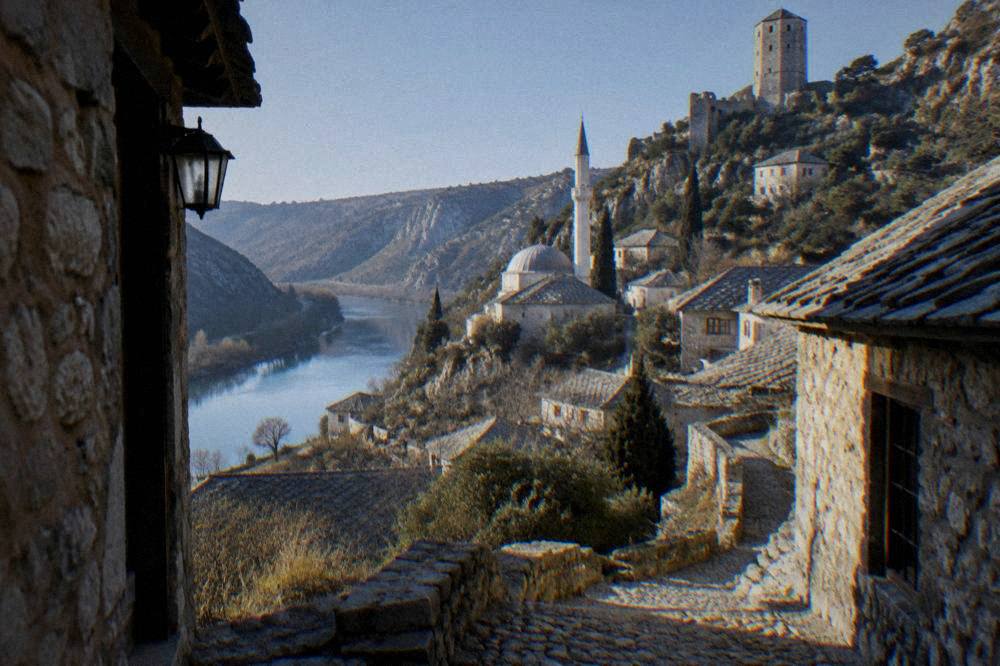
The road out of Mostar follows the Neretva through the gorge below the city, past the turn-offs for Blagaj and Buna, then down the widening valley toward Čapljina. Počitelj sits just off this same corridor at 30.0 km, and Kravica waterfall lies another stretch beyond, which is exactly why so many visitors chain these places together in a single day: they share one road. Free-flow timings exclude any stops, and in the summer months traffic on the valley road can add time, so build slack into the day rather than a tight schedule.
| Place on the route from Stari Most | Road distance (km) | Free-flow drive time |
|---|---|---|
| Blagaj Tekke | 13.7 | 19 min |
| Čitluk | 22.9 | 31 min |
| Međugorje (St James church) | 28.3 | 40 min |
| Počitelj | 30.0 | 31 min |
| Hutovo blato | 48.1 | 62 min |
| Kravica waterfall | 55.2 | 54 min |
The distances above are road figures computed from Stari Most, so treat them as the driving reality rather than the straight line. Note the ordering quirk: Kravica waterfall is farther in kilometres than Hutovo Blato but slightly quicker to reach, because its approach road is faster once off the valley route. If you are planning a loop that takes in both, the pairing works in either direction.
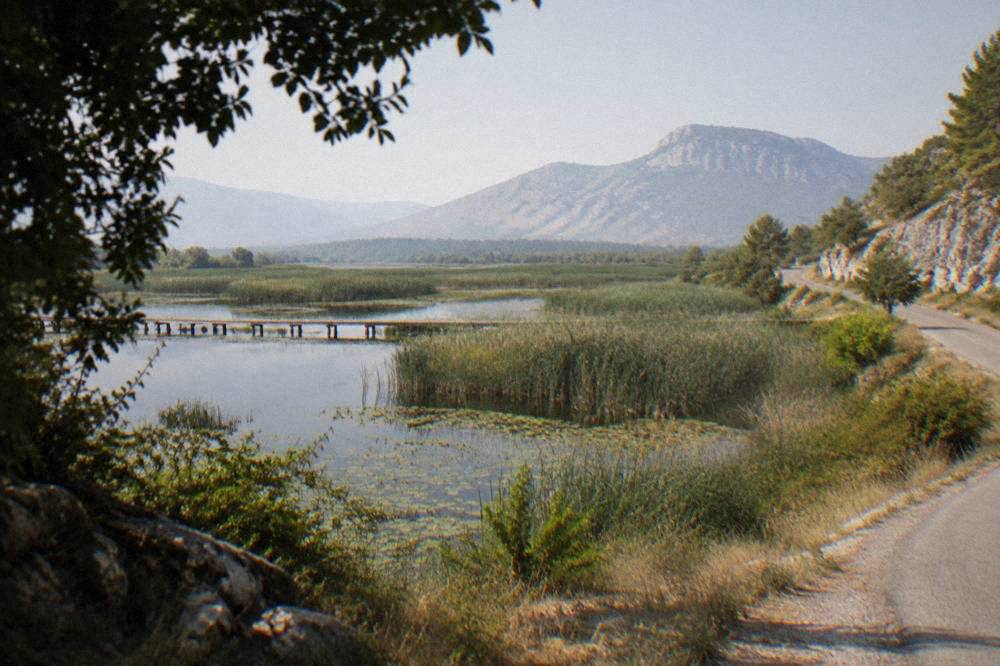
For drivers, the practical notes are simple. Fuel up in Mostar or Čapljina, carry cash in convertible marks because small rural attractions in Herzegovina work on cash, and check the park's opening months before setting out, since the visitor season is not year-round. The currency is the KM (BAM), pegged at 1 EUR = 1.95583 KM; euro cash is often accepted in tourist areas at a rounded rate, but confirm rather than assume, especially outside the city.
Public transport is the weak link. Rail passengers should note the Sarajevo to Čapljina line, two trains a day each way via Mostar after service resumed on 15 October 2026 following a suspension that began in September 2026, which puts Čapljina on the map but still leaves the gap from the station to the park. Without a car, the cleanest options are a taxi from Čapljina or an organised excursion from Mostar.
What Does A Visit To Hutovo Blato Cost, And What Are The Reported Opening Hours?
Entry to Hutovo Blato is reported at about 5 KM for an adult, which covers access to the park's trails and paths, with children under 7 reported free, and a boat safari on the lakes is reported at about 20 KM per person, with packages combining entry and boat at about 25 KM. The park is reported open daily from April to November, roughly 08:00 to 18:00, with reduced winter arrangements. All of these figures are reported rather than official, so confirm at the park before you go.
These figures come from visitor guides rather than a published official tariff, and prices in Herzegovina have been moving upward, with a reported tourist tax of 3 KM per person per night applying in the canton since 1 January 2026, something to confirm at booking for any overnight stay. The pattern is standard for the region's smaller parks: a modest cash entry, a paid boat activity run from a jetty on the main lake, and family or group rates that shift from season to season. Bring marks, and check the current price on arrival.
| Item at Hutovo Blato | Reported figure | Notes |
|---|---|---|
| Adult entry | about 5 KM | includes trails, reported |
| Child entry (under 7) | reported free | confirm on arrival |
| Boat safari | about 20 KM | lake boat trip, reported |
| Entry and boat package | about 25 KM | combined, reported |
| Opening months | April to November | daily, reported |
| Opening hours in season | about 08:00 to 18:00 | reported |
For comparison, the surrounding paid sights charge in the same band and mostly take cash. Blagaj Tekke charges about 10 KM with a dress code of shoulders and knees covered. The Radimlja stećci necropolis near Stolac is about 8 KM, and Vjetrenica cave runs about 20 to 25 KM with a guided visit. Počitelj village and the Međugorje pilgrimage sites are free, which makes them useful ballast on a day whose paid stops start adding up.
| Nearby sight | Reported entry | Road distance from Hutovo Blato area |
|---|---|---|
| Počitelj | free | about 20 min from the park |
| Blagaj Tekke | about 10 KM | about 45 min via the valley road |
| Kravica waterfall | 20 KM adult, all year | about 30 min via Ljubuški |
| Radimlja necropolis | 8 KM | about 35 min via Stolac |
| Vjetrenica cave | about 20-25 KM, guided | about 70 min via Stolac |
One practical warning about Kravica on the same ticket: the waterfall's entry is 20 KM for an adult all year, 10 KM for residents of Bosnia and Herzegovina, children under 7 free, and the park's own visitor page lists hours that stretch to 22:00 in the June to September stretch of the year, so a late-afternoon swim stop after a morning at Hutovo Blato is a realistic plan. Combine the two and you get the wetland's birds in the morning and the falls in the afternoon heat, which is the better order in summer.
If independent driving and cash logistics sound like work, a guided loop takes the planning off your plate. The Full-Day Tour in Herzegovina, Blagaj, Počitelj, and Kravice from Mostar covers the classic trio with a guide and transport, and it runs along the same valley road that serves Hutovo Blato, so you see the corridor's highlights without route planning of your own.
What Birds And Wildlife Will You Actually See At Hutovo Blato?
Hutovo Blato is a resting and feeding station on the Adriatic flyway, and its signature birds are herons, cormorants and egrets resident around the lakes, with pygmy cormorants, various ducks and birds of prey passing through on migration in spring and autumn. The lakes and channels also hold fish, including the carp and other species farmed in the historic ponds, plus terrapins, amphibians and the reptiles of the surrounding limestone hills. Early morning and the boat channels are where the sightings concentrate.
The bird calendar follows the migration rhythm. In spring, from roughly March to May, northbound migrants use the wetland to refuel, and the reeds fill with warblers, herons nesting in colonies and ducks on the open water. Autumn, roughly August to October, mirrors it in reverse, and the water levels after the dry summer concentrate birds into smaller areas, which can make viewing easier. Winter is quieter in species but holds waterfowl in numbers, and it falls outside the reported core visitor season anyway, with reduced arrangements from November onward.
| Season at Hutovo Blato | What the period offers | Practical note |
|---|---|---|
| March to May | spring migration, nesting herons, warblers in the reeds | peak birdwatching, reported opening from April |
| June to August | resident herons, cormorants, egrets, early mornings best | heat is real, boat trips give shade and reach |
| September to October | autumn migration, concentrating waterfowl | reported open through November |
| November to March | wintering waterfowl, quiet park | reduced arrangements reported, confirm before going |
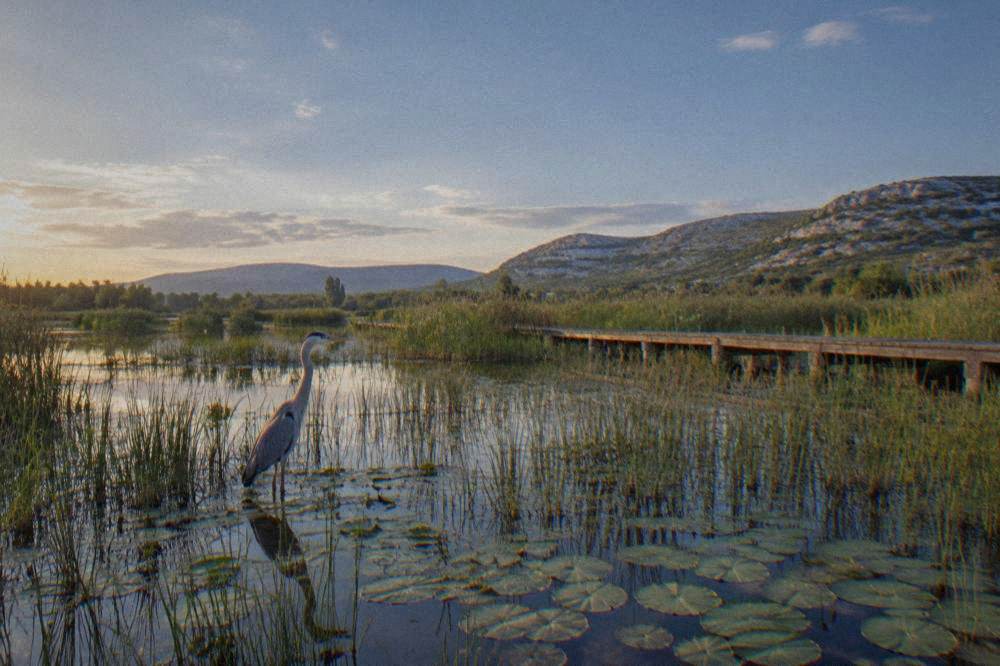
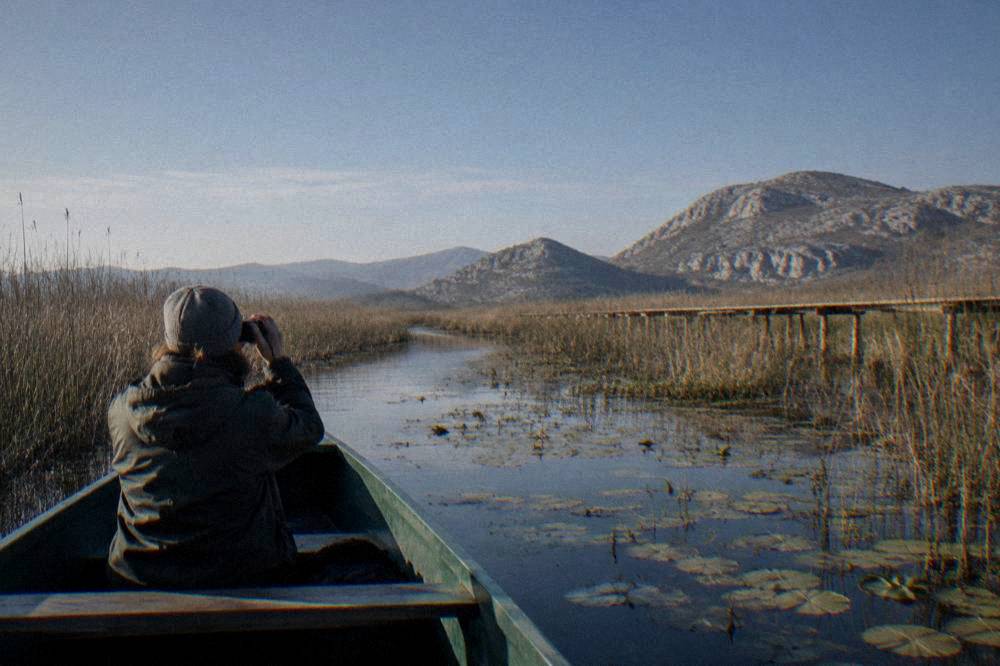
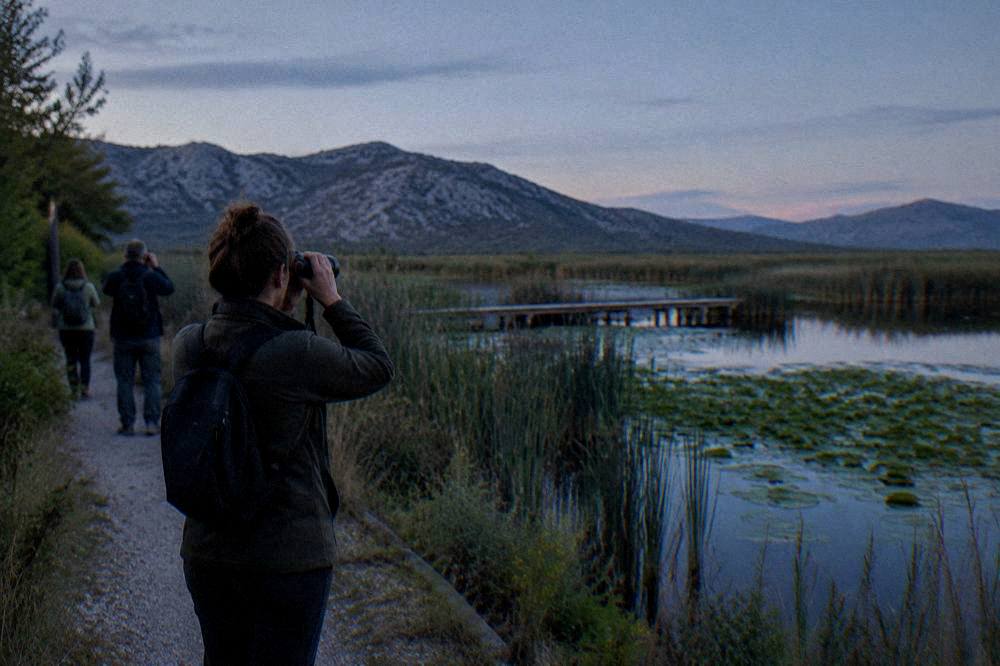
Two habits raise the hit rate. First, go early: light is soft, the wind is low and the birds are active, and in summer the hours around midday push everything into shade. Second, use the boat. The channels cut through reed beds that are invisible from the paths, and a slow boat drifts past heron fishing grounds without the vibration of footsteps. Binoculars matter more than a long lens for identification; a camera matters more for the memories, and a hat plus water matter more than either in July.
The wider habitat deserves the walk too. The dry hills around the wetland hold a completely different fauna and flora, from Mediterranean scrub to the scents of herbs on the limestone, and the marked paths let you sample the transition between marsh and karst within a few hundred metres. This is the ecological border of the Neretva basin, where the Neretva river landscape flips from wetland to bare stone.
When Is The Best Time Of Year To Visit Hutovo Blato From Mostar?
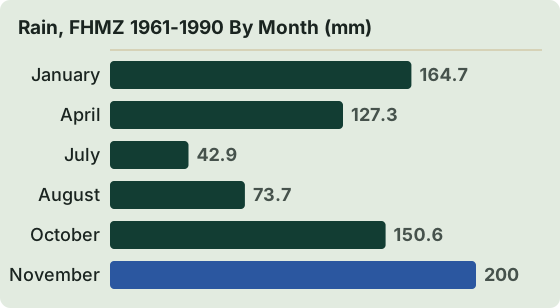
The reported visitor season runs from April to November, and the strongest months are April to June and September to October, when spring and autumn migration put the most birds in the wetland and the Herzegovina heat has not yet or has stopped pressing. Summer visits work best as early mornings with a boat trip, and late autumn shortens the value as migration ends. The climate data shows why: Mostar's valley is genuinely hot in summer and genuinely wet from October onward.
The station record for Mostar, FHMZ 1961-1990, gives a mean temperature of 24.7 C in July against 4.8 C in January, with an absolute maximum of 41.2 C recorded in July. Rainfall has a winter maximum: November averages 200.0 mm against July's 42.9 mm. Modelled daily highs from the ERA5 reanalysis, 1991-2020, put August at 30.5 C and July at 29.9 C on average, with January at 8.4 C. That is a hot-summer, wet-winter Mediterranean pattern, and the wetland changes its character with it.
| Month | Mean temp, FHMZ 1961-1990 (C) | Rain, FHMZ 1961-1990 (mm) | Modelled mean high, ERA5 1991-2020 (C) |
|---|---|---|---|
| January | 4.8 | 164.7 | 8.4 |
| April | 13.3 | 127.3 | 17.7 |
| July | 24.7 | 42.9 | 29.9 |
| August | 24.2 | 73.7 | 30.5 |
| October | 15.3 | 150.6 | 19.5 |
| November | 10.1 | 200.0 | 14.1 |
April and May sit in the sweet spot: spring migration is moving, the reeds are fresh, the rain of the winter months has tapered, and the heat is not yet punishing. June through August are the months for an early start, a boat safari under whatever shade it offers, and then a move on to Kravica waterfall, where swimming in the designated area of the pool below the falls is allowed in summer and the Neretva-fed water stays cold even in August. September and October bring the return migration and softer light for photography, with November as the tail of the season, wetter but still workable on the right day.
One caution belongs to every month: rural Herzegovina carries suspected mine contamination in places, and the standing advice from the national mine action centre is to stay on marked paths. At a managed nature park with maintained trails this is a simple rule to follow, and it applies equally to walkers heading into the hills above the lakes.
Can You Combine Hutovo Blato With Počitelj, Kravica Waterfall And Blagaj In One Day?
Yes, and the geography makes it one of the easiest big days out of Mostar: Hutovo Blato, Počitelj and Kravica waterfall all sit on or just off the same southern corridor down the Neretva valley, with Blagaj on the outbound leg 19 minutes from the city, so a loop of Blagaj, Hutovo Blato, Počitelj and Kravica waterfall is achievable in a full day with sensible timing. The limiting factors are opening hours, the boat schedule at the wetland and the summer heat.
A workable shape looks like this. Leave Mostar early, stop at Blagaj Tekke for the Buna spring and the dervish house, about 10 KM entry with shoulders and knees covered, and be rolling again before the coaches arrive. Continue down the valley past Čapljina to Hutovo Blato for the late-morning boat safari, then swing back up to Počitelj, the free fortified village on its bluff, for the climb to the tower and the view over the river. Finish at Kravica waterfall, which keeps long summer hours, 07:00 to 22:00 in the June to September stretch, for a swim before the drive home to Mostar.
| Stop on a combined day | Reported cost per adult | Role in the day |
|---|---|---|
| Blagaj Tekke | about 10 KM | morning spring and tekke visit |
| Hutovo Blato | about 5 KM entry, boat about 20 KM | wetland and birds, late morning |
| Počitelj | free | village and fortress viewpoint, mid afternoon |
| Kravica waterfall | 20 KM, all year | swim and falls, late afternoon |
In reverse order, starting with Kravica in the morning and finishing at Hutovo Blato, the logic is even simpler in the height of summer: swim while the day is still building, birdwatch as it cools. Either direction, the loop keeps total driving inside roughly two hours of moving time, since all four stops share one corridor, and every kilometre of it stays inside Bosnia and Herzegovina.
If a self-drive day of four stops sounds heavy, split it. Počitelj and Hutovo Blato make a natural pair on a quieter day, with Počitelj doing the history and the wetland doing the wildlife, and you can add the Žitomislici monastery, reachable on the same southern side of the valley, for a monastery-church thread. Alternatively, a second day can push further east to Stolac and Radimlja, or north to Jablanica and the bridge ruins on the Neretva.
Guided options concentrate on the classic corridor rather than the wetland itself, but the corridor is the point. The Dubrovnik: Mostar & Kravica Waterfalls Day Trip runs the same geography for travellers based on the coast, pairing wine tasting with the falls and the city, while the From Sarajevo: 5-Stop Day Trip to Mostar & Kravica Falls covers five stops on the corridor for visitors working out of the capital. Both are honest ways to see the same valley without driving it yourself.
What Should You Pack And Know Before Visiting Hutovo Blato?
Pack for a marsh in the Herzegovina sun: strong sun protection and more water than feels reasonable in summer, closed shoes for the trails, binoculars for the birds, and cash in convertible marks for entry, boat and any refreshments, since the park is rural and card coverage cannot be assumed. Long, light clothing doubles as sun cover and insect protection, and insect repellent earns its place from late spring. Check the park's rules and current hours on arrival, and keep to the marked paths.
The cash point deserves repeating, because it catches people out. Bosnia and Herzegovina uses the convertible mark, KM, pegged to the euro at 1.95583, and while euro notes are often accepted in city tourist areas at a rounded rate, a country park an hour from Mostar is exactly where marks in the pocket matter. The same logic applies across the day's other stops: Blagaj Tekke, the Kravica entry gate and the small vendors around Počitelj all work more smoothly with marks in hand.
Dress and sun strategy should be planned together. Summer days in the valley are genuinely hot, with modelled August highs around 30.5 C on average and a station record of 41.2 C, so the early start is not just about the birds, and a hat plus a long-sleeved light shirt beats suncream alone on a boat with no shade. In spring and autumn, layers carry you from a cold marsh morning to a warm midday, and November's average of 200.0 mm of rain says bring something waterproof if you are stretching the season to its reported end.
For the birds specifically, quiet beats gear. Binoculars, muted colours and patience at a channel edge will outperform a fast walk between viewpoints every time, and the boat safari is worth doing as the centrepiece rather than an add-on, since the channels are where the wetland keeps its private life. Photography in the first and last hours gets the light the reeds deserve.
Finally, the safety notes that apply across rural Herzegovina. Stay on marked paths because of suspected mine areas beyond them, a standing national advisory, and keep the emergency number 112 in mind, with 122 for police and 124 for ambulance. None of this complicates a normal park visit; it just frames why the marked trails, not the open hills, are the right place to wander. For a fuller picture of the city this day starts from, the things to do in Mostar page collects the Old Town, the viewpoints and the food stops, and the Mostar Travel Guide homepage carries the rest of the region's day trips.
Common Questions About Hutovo Blato From Mostar
How far is Hutovo Blato from Mostar?
Hutovo Blato is 48.1 km by road from Stari Most in Mostar, about 62 minutes of free-flow driving south down the Neretva valley toward Čapljina, with no border crossing on the route.
How much does it cost to visit Hutovo Blato?
Entry is reported at about 5 KM for an adult with children under 7 reported free, and a boat safari is reported at about 20 KM, with a combined package at about 25 KM. Confirm the current figures at the park, since they are reported rather than official.
When is Hutovo Blato open?
The park is reported open daily from April to November, roughly 08:00 to 18:00, with reduced arrangements outside that stretch. Check before travelling in the shoulder months, especially November.
What birds can you see at Hutovo Blato?
Herons, cormorants and egrets around the lakes year-round in season, with ducks, birds of prey and warblers passing through on spring and autumn migration along the Adriatic flyway. Early mornings and the boat channels give the best sightings.
Can you swim at Hutovo Blato?
Hutovo Blato is a protected nature park built around birdlife and boat trips rather than swimming, and no swimming access is reported. For water, Kravica waterfall, 55.2 km from Mostar, allows swimming in the designated area of its pool in summer.
Can you visit Hutovo Blato and Kravica waterfall in one day from Mostar?
Yes. The two sites are 48.1 km and 55.2 km from Stari Most respectively on the same southern corridor, so a loop with Blagaj and Počitelj added is a full but feasible day, especially between April and June or September and October.
A day at Hutovo Blato is the quiet half of Herzegovina: birds where the valley keeps its water, a boat through channels the road never sees, and a corridor home that passes a fortress, a waterfall and a tekke on the way back to the bridge.