Vjetrenica Cave: The Wind Cave Of Popovo Polje
Vjetrenica cave sits in Popovo polje, about 77 km by road from Mostar, and it is one of the largest cave systems in Bosnia and Herzegovina, famous for the cold wind that blows from its entrance. This guide covers the drive, the reported entry fee, what the guided walk covers and how to pair the cave with Trebinje, Radimlja and Hutovo blato on a single Herzegovina loop.
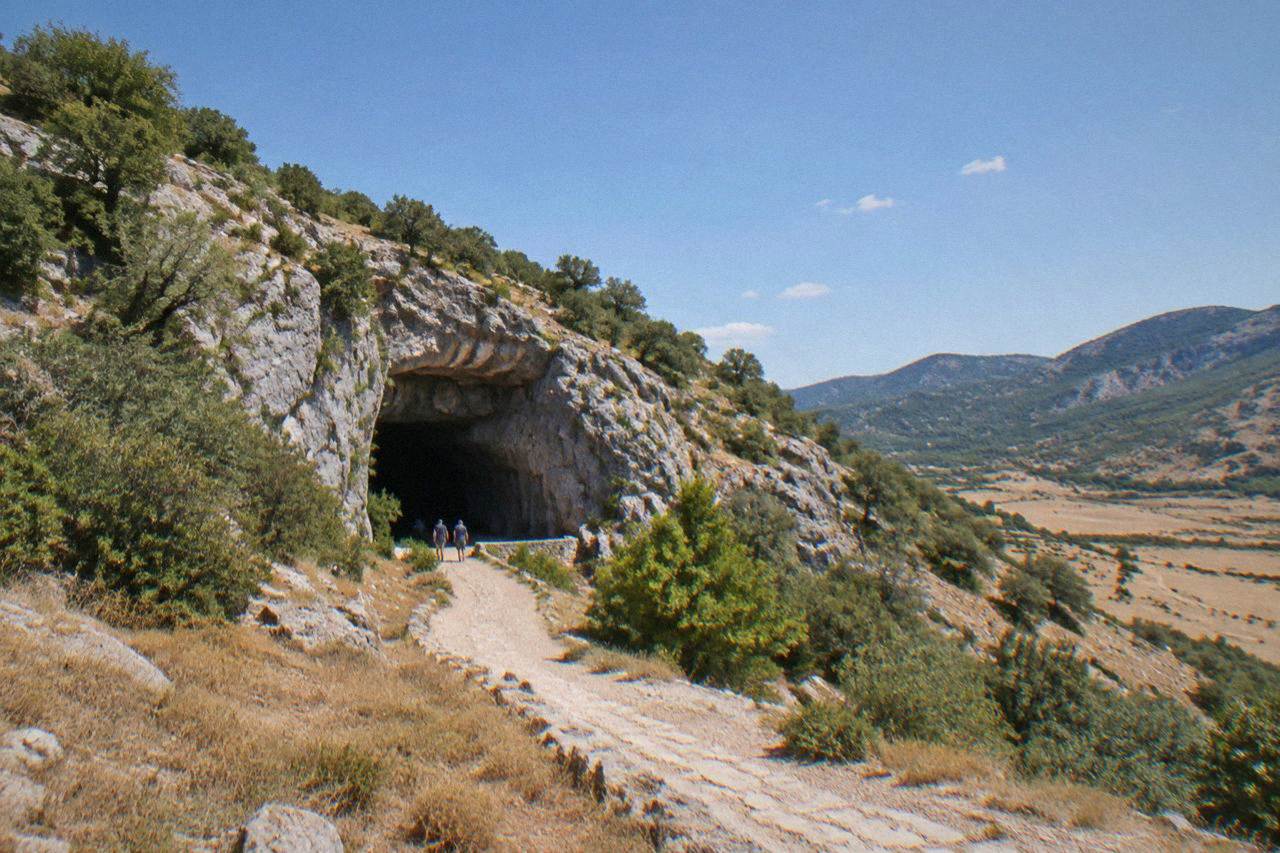
Vjetrenica cave is 77.2 km and about 104 minutes by road from Stari Most in Mostar. Entry is reported at about 20 to 25 KM for an adult with a guided tour included, and the cave operates on a seasonal schedule, typically April to November. Book ahead in peak months and check current hours and prices before setting out.
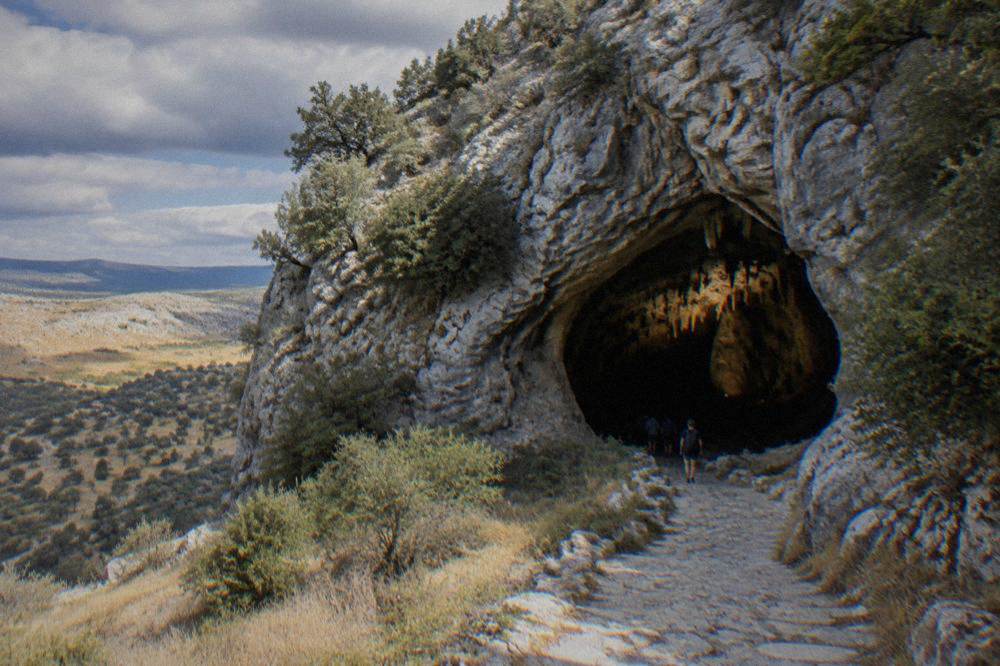
Vjetrenica cave, in the karst depression of Popovo polje near the village of Zavala south of Mostar, is one of the most visited show caves in Bosnia and Herzegovina, and its name means exactly what visitors feel at the entrance: wind cave. The cave lies 77.2 km by road from Stari Most in Mostar, about 104 minutes of free-flow driving, and it belongs on any list of things to do in Mostar once the city's own sights, from Stari Most to the Old Bazaar, have been walked. Popovo polje itself is a sight: a broad, largely dry field whose water runs underground, which is precisely why the cave system beneath it is so extensive.
This page from the Mostar Travel Guide editorial desk lays out the drive from Mostar, the reported entry arrangements, the underground features a guided tour covers, and the pairings that turn the trip into a full day: Radimlja's stećci, the wetlands of Hutovo blato, and the old town of Trebinje.
How Far Is Vjetrenica Cave From Mostar, And How Long Does The Drive Take?
Vjetrenica cave is 77.2 km from Stari Most by road, and the drive takes about 104 minutes in free-flow traffic, heading south through the Neretva valley and across the karst plateau toward Zavala in Popovo polje. The route passes Ravno, the seat of the municipality, and no border is crossed because the cave is inside Bosnia and Herzegovina the whole way.
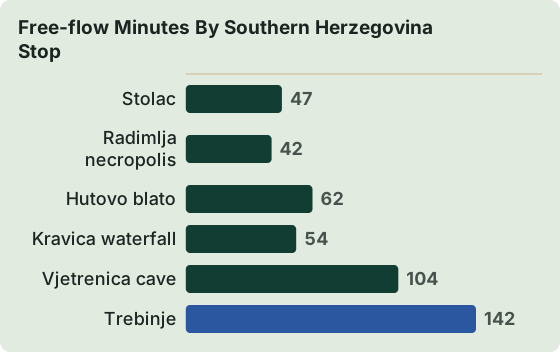
Those figures are road distances and free-flow times, so they exclude any stops and any local slowdowns. The road from Mostar runs first toward Čapljina and Stolac, then climbs and winds across the rocky interior toward Popovo polje; allow extra time if the same day includes Stolac or the Radimlja necropolis, which sits 33.5 km from Mostar with about 42 minutes of driving. Drivers who continue onward to Trebinje, 116.5 km and about 142 minutes from Mostar, should treat the cave as a natural midpoint of a southern loop.
| Southern Herzegovina stop | Road km from Stari Most | Free-flow minutes |
|---|---|---|
| Stolac | 36.8 | 47 |
| Radimlja necropolis | 33.5 | 42 |
| Hutovo blato | 48.1 | 62 |
| Kravica waterfall | 55.2 | 54 |
| Vjetrenica cave | 77.2 | 104 |
| Trebinje | 116.5 | 142 |
Two practical notes for the road. First, fuel up in the Mostar or Stolac area rather than counting on stations in the sparsely settled polje. Second, currency is the convertible mark (KM, BAM), pegged at 1 EUR = 1.95583 KM; carry cash, since small rural sites in Herzegovina often do not take cards.
What Does Vjetrenica Cave Cost, And When Is It Open?
Entry to Vjetrenica is reported at about 20 to 25 KM for an adult, with lower reported rates for children, students, seniors and groups, and the ticket includes a guided tour, since independent walking inside the cave is not offered. The cave operates seasonally, typically April to November, with hourly guided departures and reduced or suspended access in winter. Confirm the current price, hours and departure schedule before travelling out, because the drive from Mostar is long for a closed gate.
The fee figure is a reported one rather than an official published price, and seasonal sites in Herzegovina adjust schedules year to year. The pattern reported for Vjetrenica is spring-through-autumn operation with guided tours setting out at fixed intervals through the day, and a winter pause when visitor infrastructure shuts down. Checking locally before a visit is not a formality here: the cave sits at the end of a valley road more than an hour and a half from the usual hubs of Mostar day trips from Dubrovnik itineraries, and turn-backs are expensive in time.
| Item | Reported arrangement |
|---|---|
| Adult entry | About 20 to 25 KM |
| Concessions | Lower rates for children, students, seniors and groups |
| Tour format | Guided only, departure intervals through the day |
| Season | Typically April to November |
| Winter | Closed or limited access |
For travellers who want Herzegovina's headline sights without the long self-drive, organised day tours from Mostar cover the classics. The Full-Day Herzegovina Tour with Blagaj, Počitel and Kravice Waterfalls runs from the city with a live guide, and check availability for the From Mostar: Blagaj, Počitelj & Kravice Waterfalls Day Tour, which covers the same triangle in eight hours.
Why Is Vjetrenica Called The Wind Cave?
Vjetrenica is named for the strong, cold draught that blows from its entrance, which is felt most sharply in warm weather when the temperature difference between the cave's interior and the summer air outside drives a constant current through the mouth. The name is simply the local word for wind, vjetar, and the effect is the cave's signature feature, reported by generations of visitors standing at the gate before the tour begins.
The wind is a physical consequence of the cave's geometry and the climate around it. Popovo polje is a karst field where surface water disappears into the ground through swallow holes and re-emerges at springs elsewhere, and the cave system is part of that underground drainage. Air moves through the system as temperatures shift, and in summer the entrance blows noticeably cool. Herzegovina's summer heat makes this a genuine relief: the ERA5 reanalysis for 1991 to 2020 puts Mostar's modelled mean daily high at 30.5 C in August and 29.9 C in July, and the valley floor often runs hotter than the modelled grid value.
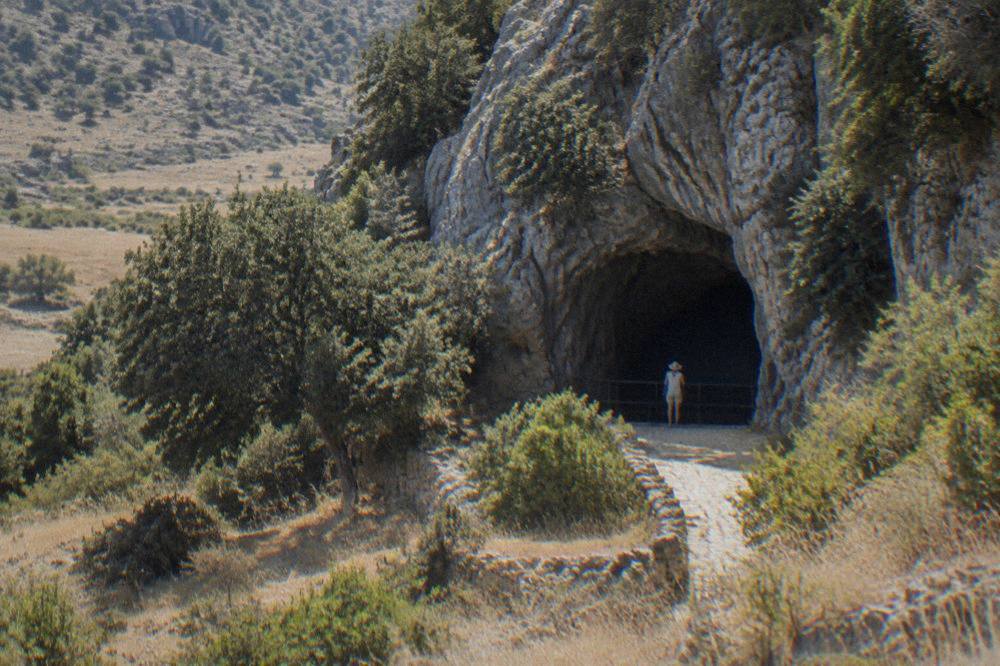
The name also carries weight in Balkan natural-history writing, because Vjetrenica has attracted scientists and travellers for well over a century, long before it had walkways or ticketing. Its winds, waters and unusual animal life made it a subject of study rather than only a curiosity.
What Will You See Inside Vjetrenica Cave On A Mostar Day Trip?
A guided tour of Vjetrenica covers the illuminated main passage with its lakes, underground channels, stalactite and stalagmite formations and the canal that carries the cave's water, and it is famous for its cave-adapted wildlife, including the olm, a pale blind amphibian found in only a handful of cave systems in this part of Europe. Tours run on foot along prepared paths, and the underground temperature holds cool all year.
The olm is the creature that puts Vjetrenica on the international map. This pinkish, sightless salamander lives in complete darkness in the cave's waters, and its presence, along with a long list of other cave-adapted invertebrates recorded here, is why scientists treat the system as one of the biologically significant caves of the Dinaric karst. Visitors should not expect an aquarium display: sightings of the olm depend on the water and the season, and guides explain the biology whether or not an animal appears.
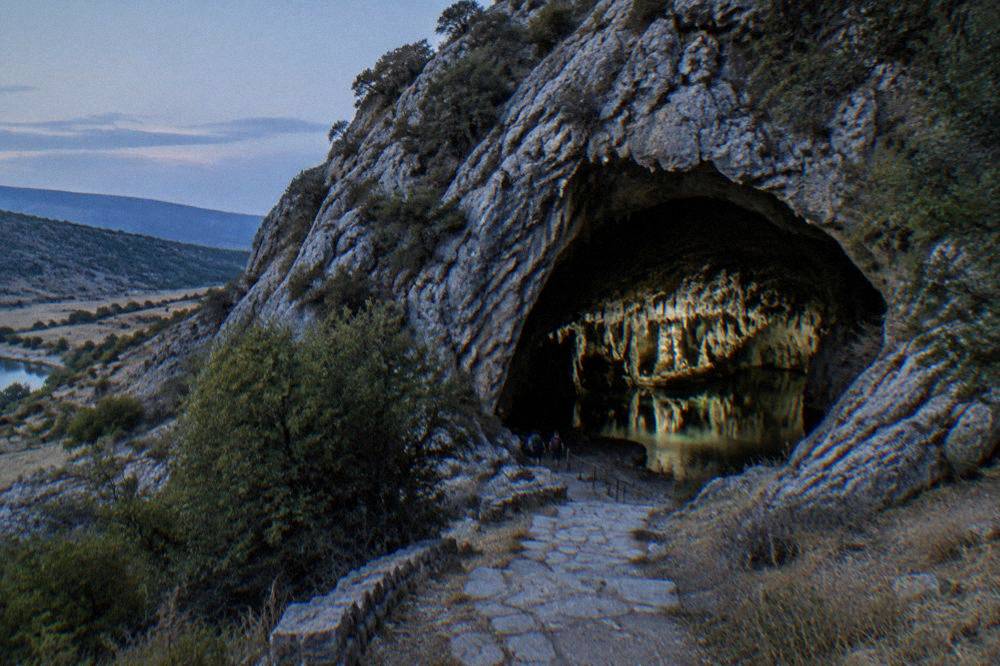
The walking route itself passes through chambers and along subterranean lakes, with fixed lighting on the highlights. Surfaces underground are damp and in places slippery, so ordinary sensible footwear serves better than smooth-soled shoes, and a light layer helps, because the cave stays cool regardless of the heat in the polje above.
Can You Combine Vjetrenica Cave With Trebinje In One Day Trip From Mostar?
Yes, and it is the natural pairing: Trebinje lies roughly 40 km beyond the cave by road, so a loop from Mostar through Stolac or Radimlja, down to Vjetrenica and on to Trebinje for the late afternoon, then back up the main road, fits comfortably into one long day. Mostar to Trebinje is 116.5 km and about 142 minutes direct, so the loop adds the cave without doubling the driving.
Trebinje rewards the end of the drive. Its old town walled quarter, river bridges and hilltop churches are free or donation-based to wander, and the town sits close enough to the border that some visitors thread it into cross-border plans toward Dubrovnik, which is 145.5 km and about 150 minutes from Mostar by road, border queues excluded. The Croatian border is a Schengen external border with full checks since 1 January 2023, so anyone continuing onward should carry a passport and expect waits of up to about 30 minutes at times, longer at summer peaks.
| Loop stop from Mostar | Road km | Free-flow minutes | Reported entry |
|---|---|---|---|
| Radimlja necropolis | 33.5 | 42 | About 8 KM individual |
| Stolac | 36.8 | 47 | Old town sites, small fees reported |
| Hutovo blato | 48.1 | 62 | About 5 KM, boat trip about 20 KM |
| Vjetrenica cave | 77.2 | 104 | About 20 to 25 KM, guided |
| Trebinje | 116.5 | 142 | Old town free or donation-based |
An alternative shape for the day drops Trebinje and adds wetlands instead. Hutovo blato, 48.1 km from Mostar, is a nature park of lakes and reed beds where boat trips are reported at about 20 KM on top of an entry of about 5 KM, and its April-to-November season matches the cave's, which makes the two workable together on a single southbound run.
Is Vjetrenica Cave Good For Families Visiting Mostar?
Vjetrenica works well for families with children who can manage a guided walk on prepared paths, because the tour format, the constant cool temperature and the olm-and-lakes subject matter hold children's attention, and the reported concession prices for children soften the cost. The constraint is the journey: with about 104 minutes of driving each way from Mostar, plus the tour itself, it is a half-day commitment minimum.
Families planning around Mostar should weigh that drive honestly. Younger children who sleep in cars may not mind it; restless ones will. The sensible pattern reported by families touring Herzegovina is to make the cave one stop in a southern loop with a meal break in Trebinje or Stolac rather than an out-and-back dash, and to book an early guided departure so the return leg does not land after dark on the polje roads. For a gentler family day closer to base, the Kravica waterfall page on this site covers a swimming-and-picnic alternative at 55.2 km and about 54 minutes from the city, and Međugorje, with free open hill sites, is another nearby option.
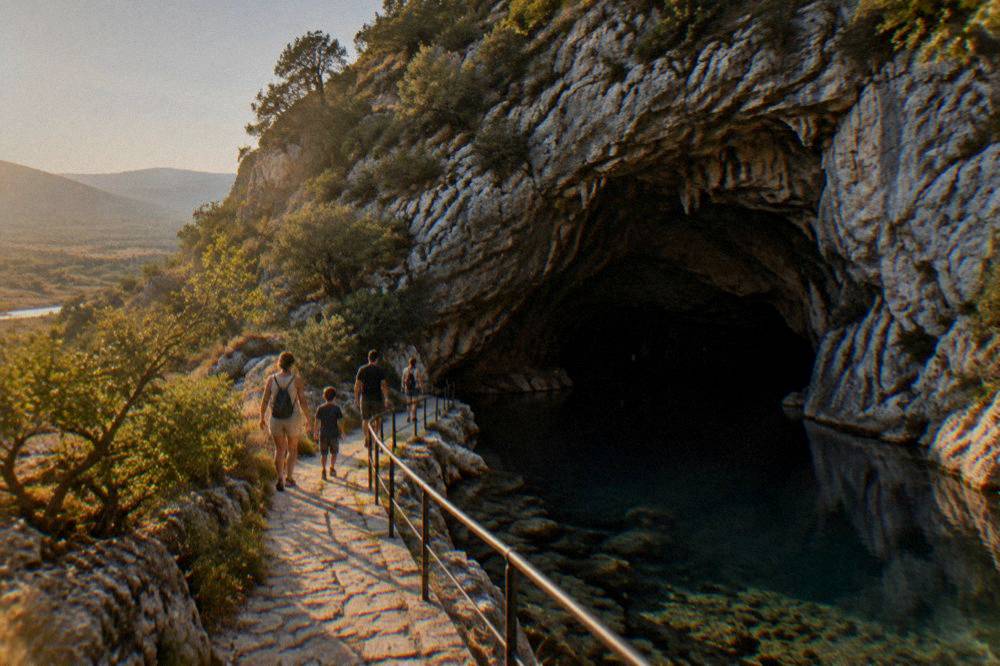
One safety note that applies across rural Herzegovina, not specifically to the cave: suspected mine areas remain in parts of the countryside, and the standing advice is to stay on marked paths and roads. Around Vjetrenica's developed entrance area and the guided route inside, the site infrastructure keeps visitors on the designated way.
What Should You Know About Zavala And Popovo Polje Around The Cave?
Zavala is a small village at the southern edge of Popovo polje beneath a line of cliffs, and its monastery, the Zavala Monastery of the Holy Trinity, sits partly built into the cave openings in the rock face above the village, making the settlement a destination in its own right and not just a roadside before the cave. The polje around it is a vast, mostly dry karst field whose waters run underground, feeding springs as far away as the Adriatic coast.
The landscape explains the cave. Karst fields like Popovo polje flood when autumn rain overwhelms the swallow holes and drain again as the openings clear, and the whole depression functions as one hydrological machine. Vjetrenica is the great drained artery beneath it, which is why the system holds lakes, seasonal channels and the wind behaviour that gave it a name. For visitors from Mostar used to the Neretva valley's steepness, the polje's openness is the surprise: long dry stone walls, scattered villages and a horizon of white rock.
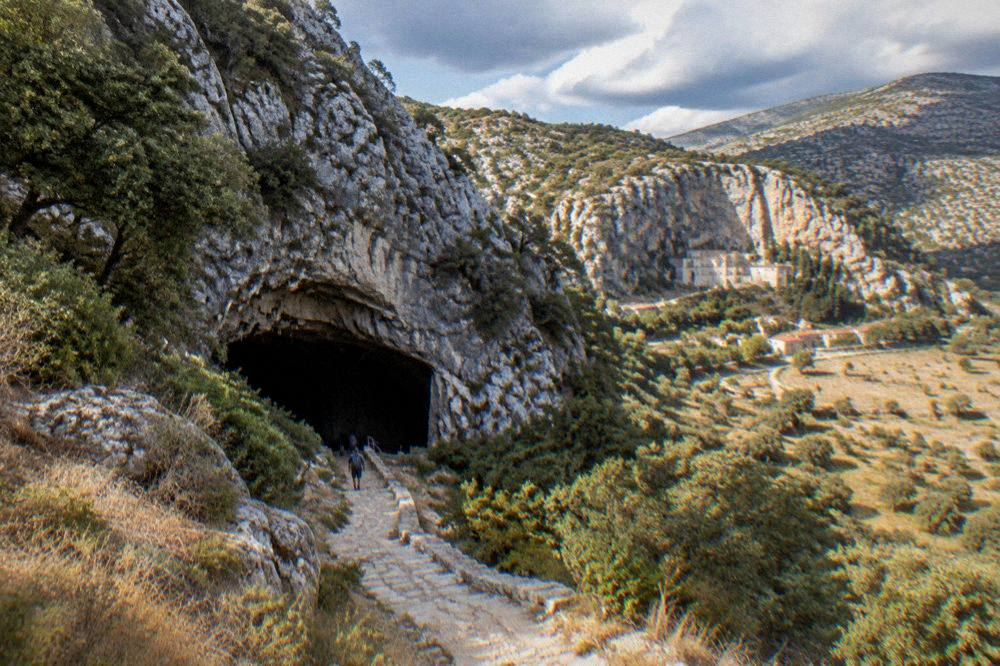
Practical Zavala advice is short. There is limited infrastructure, so arrive with fuel, water and cash in KM. The monastery welcomes visitors who dress modestly, as at Orthodox and Muslim sites across Herzegovina, and the same rule applies at the Blagaj Tekke near Mostar, where shoulders and knees must be covered and wraps are provided at the entrance.
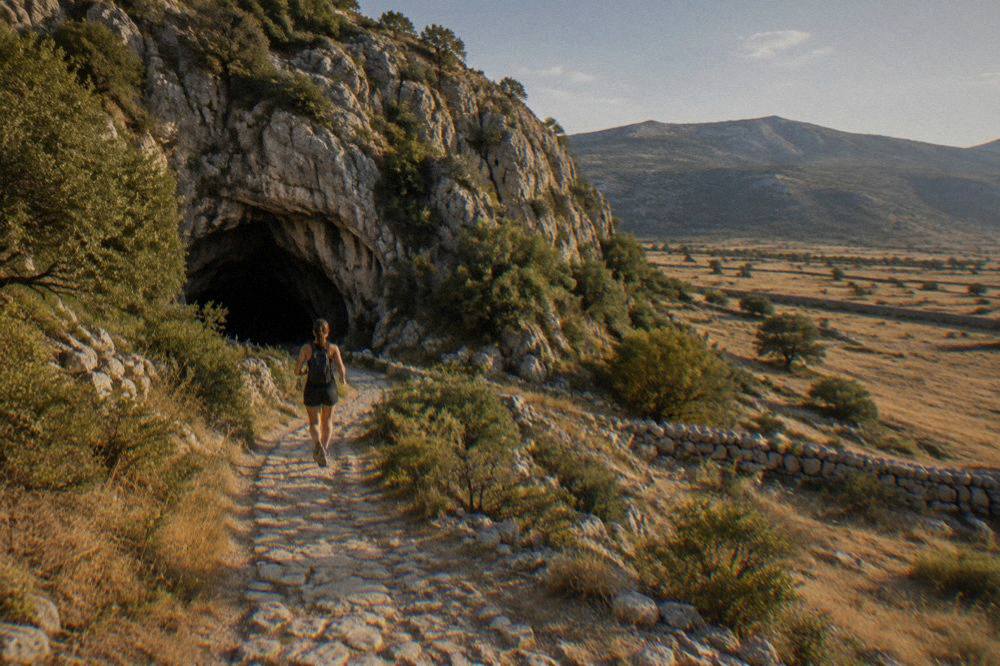
How Does Vjetrenica Compare With Other Cave And Nature Sights Near Mostar?
Vjetrenica is the deep, guided, wildlife-famous show cave of the far south, about 104 minutes from Mostar, while the closer nature pairings are Kravica waterfall, a swimmable cascade at 55.2 km, and Hutovo blato, bird-rich wetlands at 48.1 km, so the choice is really about time: one long southern day for the cave and Trebinje, or a shorter day for water sights within an hour of the city.
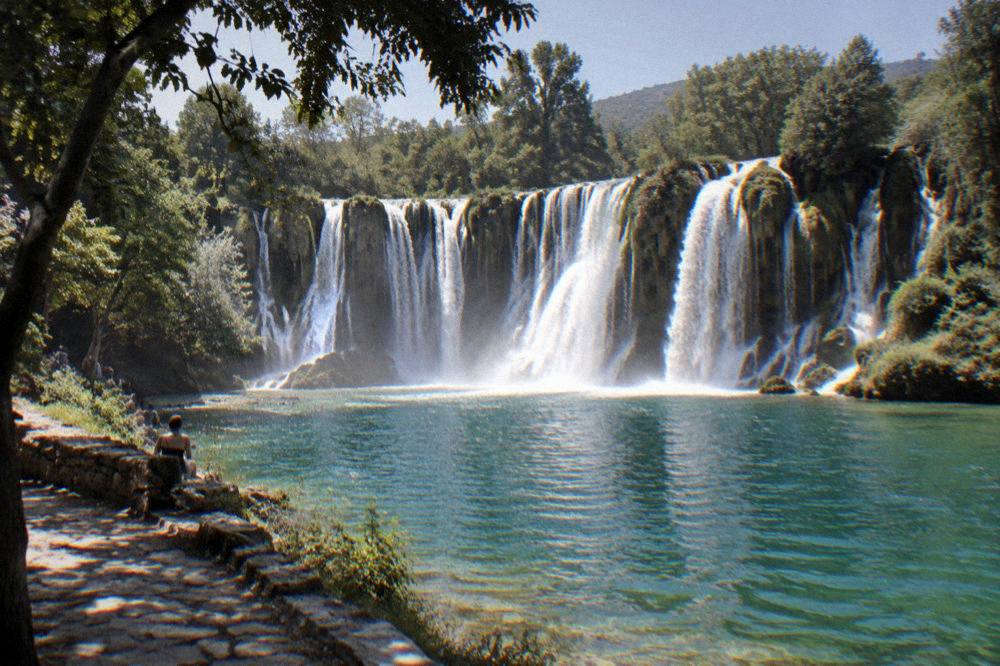
Each option carries a different fee structure, and all the figures below are reported ones to confirm on arrival. Kravica waterfall is the exception among them: its 20 KM adult entry, applied all year with 10 KM for residents of Bosnia and Herzegovina and free entry for children under 7, comes from the park's own visitor page, along with opening hours by month, 07:00 to 22:00 from June to September and 07:00 to 17:00 in the November-to-December and January-to-February periods.
| Nature sight | Road km from Stari Most | Reported adult entry | Reported season |
|---|---|---|---|
| Hutovo blato | 48.1 | About 5 KM, boat about 20 KM | Typically April to November |
| Kravica waterfall | 55.2 | 20 KM all year | All year, hours by month |
| Vjetrenica cave | 77.2 | About 20 to 25 KM guided | Typically April to November |
| Boračko jezero | 89.9 | Lake area, no listed figure on file | Year-round access |
Swimming at Kravica is allowed in summer in the designated pool area below the falls, with no lifeguard reported, so families watch their own children and check the park's rules on arrival. The Neretva at Mostar itself is a different proposition: the river stays cold even in August, fed by karst springs, and the city's Mostar walking tour route stays on dry land.
Which Organised Tours Cover Herzegovina Sights When You Cannot Drive To Vjetrenica From Mostar?
No tour in the current roster reaches Vjetrenica cave itself, so the cave is a self-drive or private-transfer destination, but organised day tours from Mostar cover the closer Herzegovina trio of Blagaj, Počitelj and Kravica waterfall in one booked trip with transport, guide and, on several listings, entrance fees handled, which is the practical substitute when a rental car is not part of the plan.
The listings below are the established options. The Full-Day Herzegovina Tour with Blagaj, Počitel and Kravica Waterfalls runs from Mostar with a live guide and bottled water, with an optional zipline stop on one variant. The From Mostar: Blagaj, Počitelj & Kravice Waterfalls Day Tour is the high-volume classic of the same triangle. And for travellers based on the coast rather than in Mostar, the Kravice Waterfalls, Mostar and Počitelj Day Trip from Dubrovnik brings the same region within reach of a Croatian base, remembering that the return crosses the Schengen external border with full checks.
Between the cave country of the far south and the city, the middle distance holds Radimlja, whose medieval stećci tombstones form part of a UNESCO inscription from 2016, and Konjic to the north, home of the ARK D-0 bunker that requires advance booking and closes on Mondays. A private driver hired from Mostar can string several of these together in a day in a way scheduled buses cannot, since local bus coverage to Zavala is thin.
What Should You Pack And Check Before Driving To Vjetrenica Cave From Mostar?
Pack cash in convertible marks, since the reported entry of about 20 to 25 KM is collected at a rural site where cards cannot be assumed, plus closed walking shoes and a light layer for the cave's constant chill, and check the current tour schedule before leaving Mostar, because the 104-minute drive each way makes an unplanned closed day expensive. Fuel, water and snacks should be bought in the Stolac or Mostar area.
The pre-departure checklist is short but real. Confirm the day's guided departure times, because hourly tours still need a place. Note that Bosnia and Herzegovina uses type C and F plugs at 230 V if charging devices at a stop, and that the emergency number is 112. Drive the polje roads in daylight where possible; they are quiet but unlit, and sheep move freely. With those boxes ticked, the wind cave of Popovo polje is one of the most distinctive days out that Herzegovina offers from a Mostar base.
Common Questions About Vjetrenica Cave From Mostar
How far is Vjetrenica cave from Mostar?
Vjetrenica cave is 77.2 km by road from Stari Most in Mostar, and the drive takes about 104 minutes in free-flow conditions, with no border crossing along the way.
What does Vjetrenica cave cost?
Entry is reported at about 20 to 25 KM for an adult, with lower reported rates for children, students, seniors and groups, and the ticket includes a guided tour. Confirm the current price before travelling out, since the site operates seasonally.
When is Vjetrenica cave open?
The cave is reported to operate from April to November with guided tours at set intervals, and reduced or suspended access in winter. Check the current schedule before setting out from Mostar.
Can you visit Vjetrenica cave and Trebinje in one day from Mostar?
Yes. Trebinje lies roughly 40 km beyond the cave, and a loop from Mostar through Radimlja or Stolac, down to Vjetrenica and on to Trebinje fits into one long day, with Trebinje 116.5 km and about 142 minutes from Mostar direct.
What is the olm in Vjetrenica cave?
The olm is a pale, blind cave-dwelling amphibian that lives in the cave's underground waters, and Vjetrenica is one of the known homes of the species in the Dinaric karst. Sightings depend on water conditions and the season.
Do you need a guided tour inside Vjetrenica cave?
Yes, visits are guided only, on prepared paths with fixed lighting, and the reported ticket price includes the tour. Independent exploration of the cave is not offered.