Dubrovnik From Mostar: Is The Day Trip Worth It?
Dubrovnik sits 145.5 km by road from Stari Most in Mostar, about 150 minutes of free-flow driving plus a border check, and the decision that matters is how you handle the crossing and the clock.
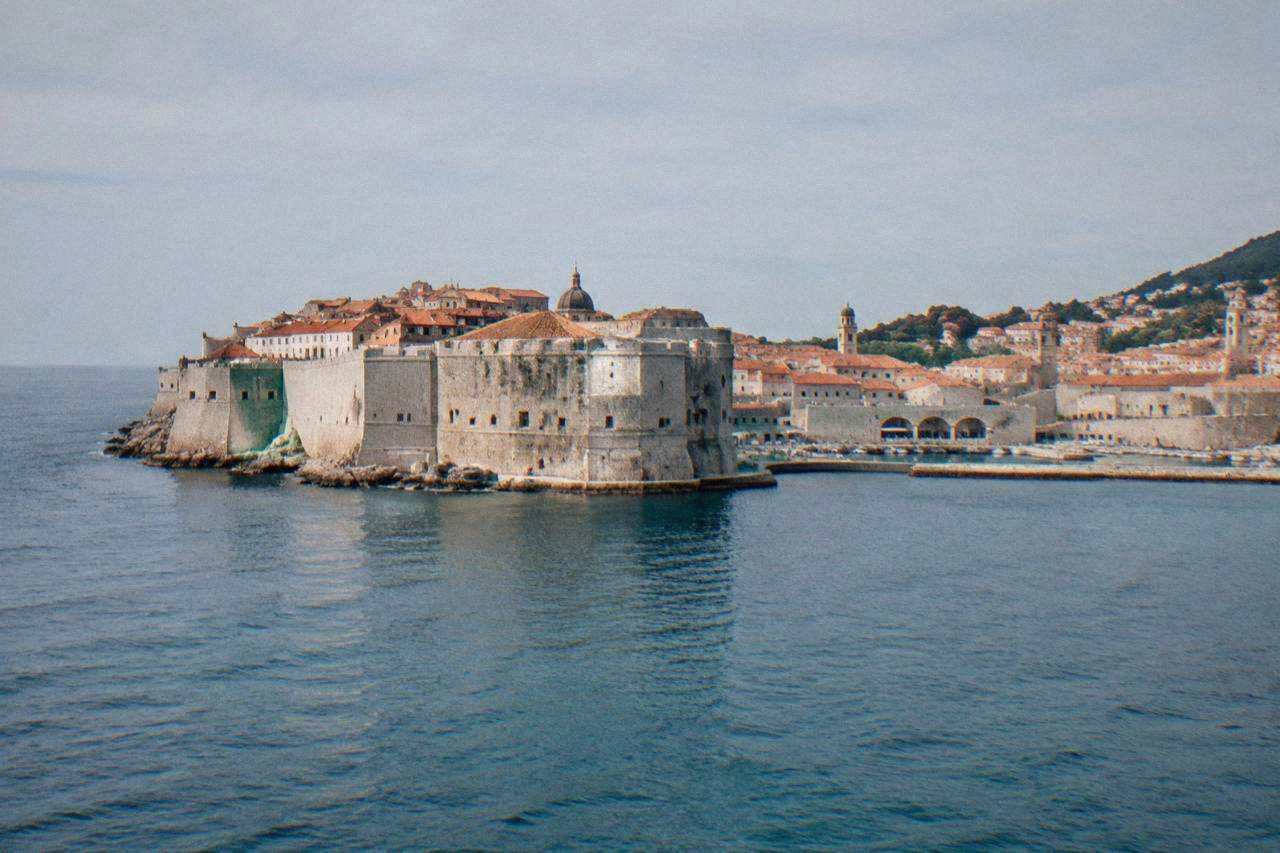
Yes, Dubrovnik from Mostar is a workable day trip: 145.5 km each way, about 150 minutes of driving without queues, one Schengen external border crossing each way, and realistically six to eight hours on the ground if you leave early.
Mostar is an inland city on the Neretva river in Herzegovina, and Dubrovnik is the nearest major coastal destination across the border in Croatia, 145.5 km by road from Stari Most, about 150 minutes of free-flow driving each way. That single line drives the whole decision. Unlike Blagaj or Počitelj, which sit inside Bosnia and Herzegovina and cost you nothing at a frontier, Dubrovnik means crossing the Croatian land border twice in one day, a Schengen external border with full passport checks since 1 January 2023. The trip is entirely realistic, thousands of people structure their Balkan route around pairing the two old towns, but it rewards planning: an early start, a decision between driving and a booked seat, and a clear idea of what the day costs in convertible marks. The reverse direction is even easier to arrange, and the Mostar and Kravica waterfall day trip from Dubrovnik is covered separately on this site.
Is A Dubrovnik Day Trip From Mostar Realistic In One Day?
Yes, one day is enough for Dubrovnik's walled old town if you leave Mostar by mid-morning at the latest, because the drive is about 150 minutes each way without border queues, leaving roughly six hours on the ground before a late return. The realistic shape is an 07:00 departure, a border check of up to about 30 minutes in each direction, and a return that puts you back in Mostar in the evening.
The arithmetic is honest rather than optimistic. Door to door you are committing about five hours of pure travel to the day, and that is before any queue at Doljani-Metković or Bijača-Nova Sela, the two crossings that sit naturally on the route. The reward is a genuinely different city: Dubrovnik is a coastal walled town on the Adriatic, the structural opposite of Mostar's river gorge, and the contrast is exactly why the pairing works. What a day trip does not give you is Dubrovnik at dawn, a slow dinner inside the walls, or the island trips, and no honest plan squeezes those in.
There is a second question worth asking before you commit. Mostar's own old town, the Old Bridge Area of the Old City of Mostar, is a UNESCO World Heritage property in its own right, inscribed in 2005, and the Herzegovina countryside around the city, Blagaj, Počitelj, Kravica waterfall, fills days without a border at all. If your time in the region is short, the trade-off is real: a Dubrovnik day costs you a day of Herzegovina. The Herzegovina road trip guide lays out what the domestic alternative looks like. If you have four days or more, the answer flips and the coast day becomes an easy add-on.
Check availability on the reverse-direction trip as well, since travellers staying in Dubrovnik routinely ask the same question the other way round.
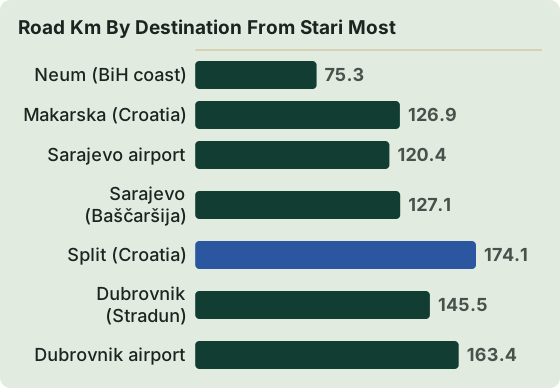
How Far Is Dubrovnik From Mostar And How Long Does The Drive Take?
Dubrovnik's Stradun is 145.5 km by road from Stari Most in Mostar, a drive of about 150 minutes in free-flow traffic, while Dubrovnik airport is 163.4 km and about 172 minutes. Two route choices exist: the Neum corridor through Bosnian territory, or the Pelješac Bridge, opened in 2022, which keeps you in Croatia and bypasses Neum entirely.
Those figures are computed free-flow drive times and exclude border queues, which are the real variable in the day. In practice the road south from Mostar runs through Čapljina toward the crossings at Doljani-Metković and Bijača-Nova Sela, and from either you continue along the Croatian coast toward Dubrovnik. The Pelješac Bridge changed this drive meaningfully: before it opened, every Croatia-to-Croatia journey around Neum meant two extra border checks, and now Dubrovnik-bound traffic can stay on Croatian soil. Coming from Mostar you will cross the Bosnian-Croatian border once each way regardless, so the bridge mainly matters for how the Croatian side of the journey flows.
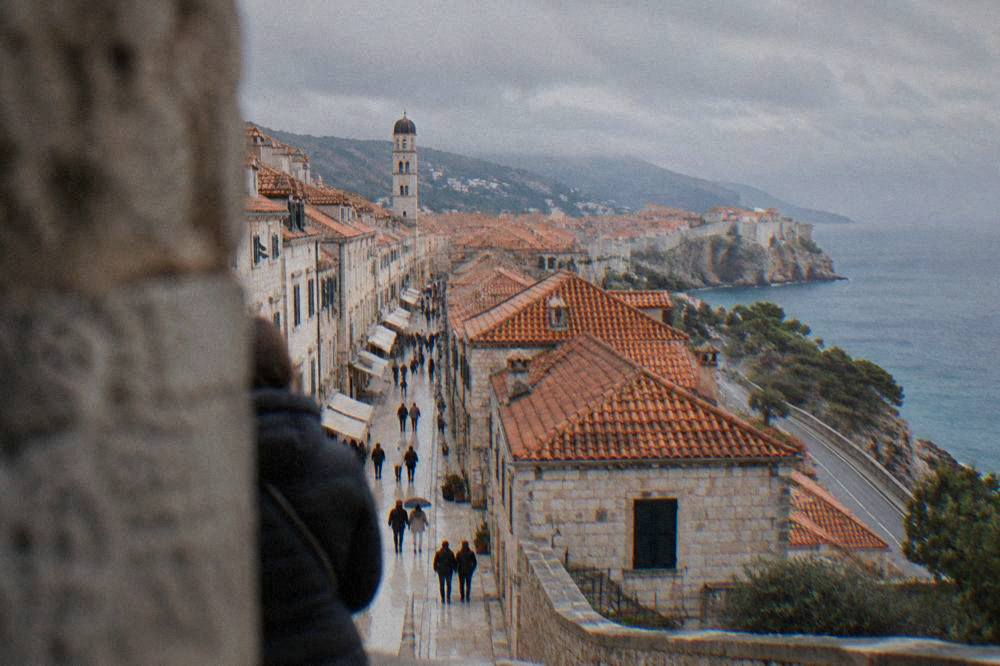
For scale, here is where Dubrovnik sits among the other cross-border and long-distance options from Stari Most:
| Destination from Stari Most | Road km | Free-flow minutes |
|---|---|---|
| Neum (BiH coast) | 75.3 | 82 |
| Makarska (Croatia) | 126.9 | 105 |
| Sarajevo airport | 120.4 | 125 |
| Sarajevo (Baščaršija) | 127.1 | 134 |
| Split (Croatia) | 174.1 | 131 |
| Dubrovnik (Stradun) | 145.5 | 150 |
| Dubrovnik airport | 163.4 | 172 |
Notice the row above Dubrovnik: Split is further by road but slightly quicker by the clock because more of that journey runs on faster road. Dubrovnik is the nearer city, and its final approach along the coast is the slower, prettier drive.
A practical note on the clock: the drive figures assume no stops. Mostar to Dubrovnik with a border queue, a coffee stop and Dubrovnik's approach traffic is realistically a three-hour journey in each direction, and planning around three hours rather than 150 minutes is the difference between a relaxed day and a rushed one. Leave before 08:00 and the day opens up.
What Does The Border Crossing Add To The Journey?
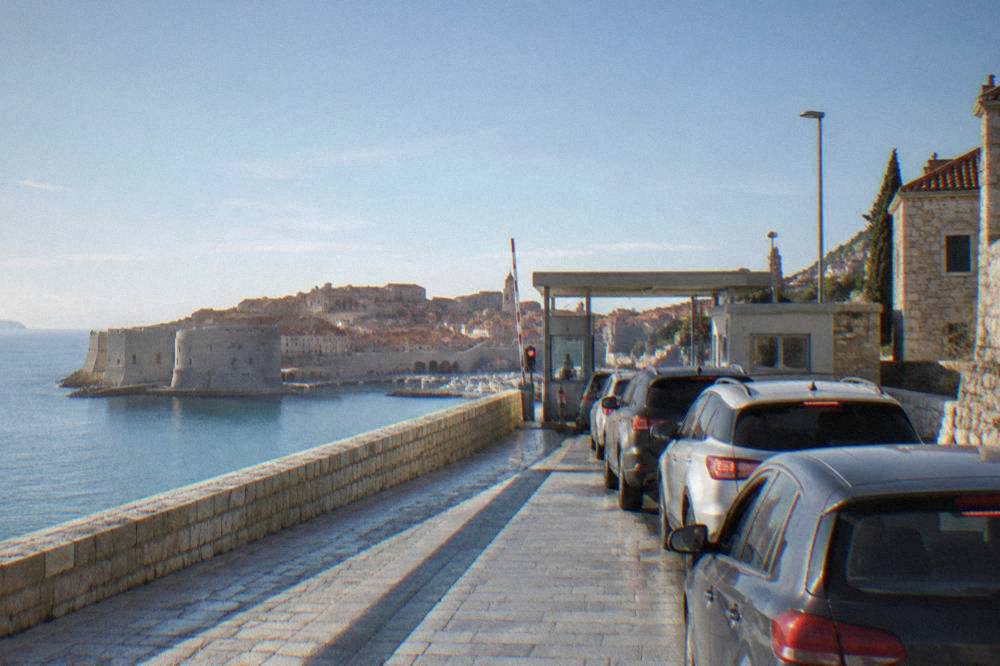
Crossing from Bosnia and Herzegovina into Croatia means leaving a country that is in neither the EU nor Schengen and entering the Schengen area, with full passport checks since 1 January 2023; typical car waits at Doljani-Metković and Bijača-Nova Sela run up to about 30 minutes, longer at summer peaks. Bring a passport, not just a national ID assumption, and build the queue into the plan.
This is the detail that separates the Dubrovnik day trip from every domestic excursion. The two main crossings near Mostar are Doljani-Metković and Bijača-Nova Sela. Reports put typical waits at up to about 30 minutes in each direction by car, stretching longer at the height of summer, and a day trip crosses twice. On a bad August day that is an hour of standing still; on a weekday morning in May it can be minutes. There is no way to book around it, so the only defences are an early start and a middle-of-the-week date if you have one.
Two status facts matter and are often garbled elsewhere. ETIAS is not in operation, so no travel authorisation application is being collected for Croatia. The EU Entry/Exit System, which records entries and exits biometrically, is reported operational since about April 2026, which means the crossing itself involves the standard checks and recording rather than anything you need to arrange in advance. Visa-exempt visitors may stay in Bosnia and Herzegovina up to 90 days over a period of six months from first entry. The Bosnia and Herzegovina travel tips guide carries the entry rules in full.
If you are driving a rental, one more check belongs on your list before the day: confirm in advance that the vehicle may cross into Croatia and that the insurance covers it, because permission and cover are set by the rental contract, not by the border officials. Organised tours absorb this entirely, which is a large part of their appeal on this specific route.
What Should A One-Day Dubrovnik Itinerary From Mostar Look Like?
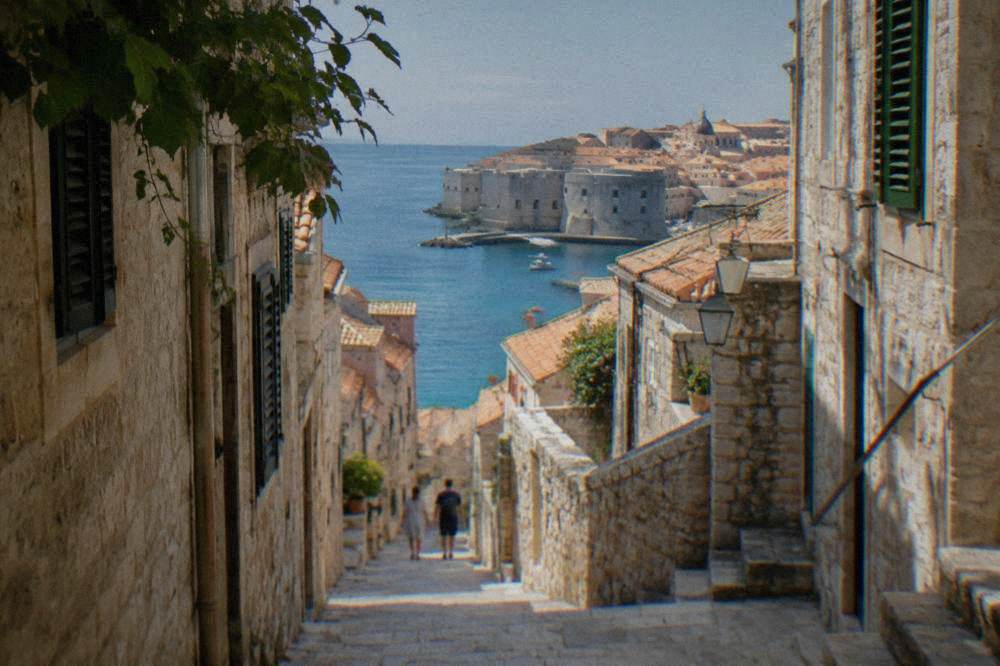
The workable shape is a 07:00 departure from Mostar, the border by 08:30 at the outside, Dubrovnik's old town from about 10:00, a full afternoon inside and around the walls, and a return departure no later than about 18:00, putting you back in Mostar around 21:00 with border time included. That yields roughly seven hours in the city.
The shape holds whether you drive or ride. What you do with the seven hours is where the day is won or lost. Dubrovnik's old town is compact and walkable, bounded by its walls, and the standard priorities are the walls themselves, the main street, and the lanes running down to the water. None of that involves a car once you arrive, and parking around the old town is its own exercise, so a plan that parks once and walks is the right one. Entry fees and opening hours for Dubrovnik's sights are not carried in this site's fact base, so check the current prices on the official ticket pages before you go.
Here is the skeleton, with the figures this site carries:
| Time | Where | What happens |
|---|---|---|
| 07:00 | Mostar, Stari Most area | Departure |
| 08:00 | Doljani-Metković or Bijača-Nova Sela | Border check, up to about 30 min |
| 10:00 | Dubrovnik old town | Arrival, walls and old town |
| 13:00 | Dubrovnik | Lunch inside or outside the walls |
| 16:00 | Dubrovnik | Walk the waterfront, leave buffer |
| 18:00 | Dubrovnik | Departure |
| 21:00 | Mostar | Return, border time included |
One honest variation: some travellers split the day and stop on the way. The Neum day trip is the natural halfway option, Bosnia and Herzegovina's short coast, 75.3 km and about 82 minutes from Mostar, though detouring to Neum between two Croatian legs adds a further two border checks to the day. The Pelješac route avoids exactly that, which is why the bridge, opened in 2022, matters for itinerary design.
Should You Drive Yourself Or Take An Organised Tour From Mostar?
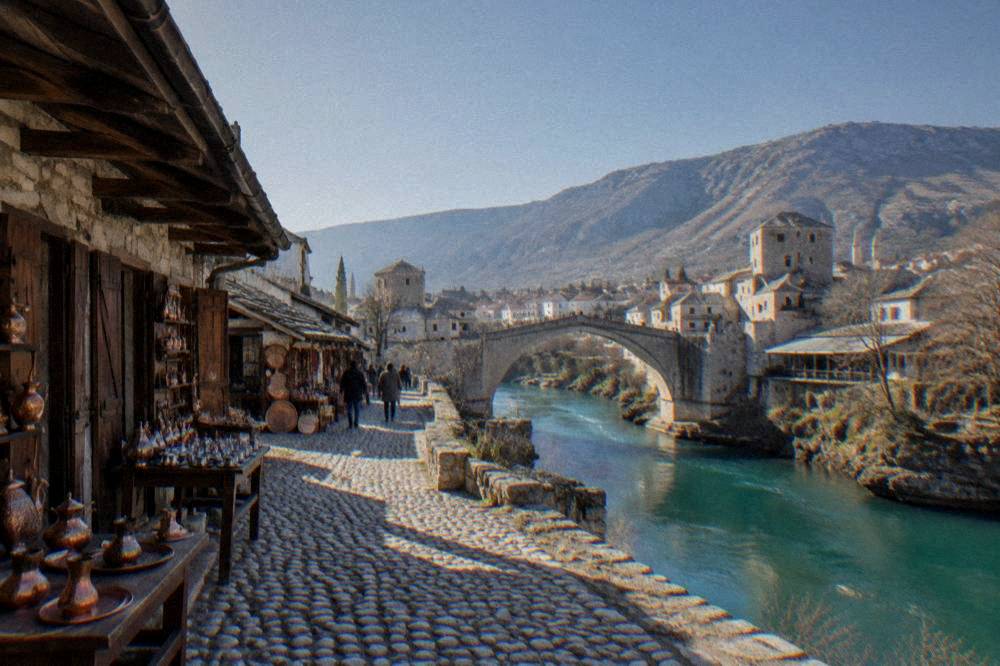
Driving yourself gives full control of the clock and the route, at the cost of arranging cross-border rental permission, insurance, parking and two border queues; a booked seat from Dubrovnik in the reverse direction, or a private transfer, hands the border paperwork to someone else. From Mostar itself, tours toward Dubrovnik are thin on the ground, while the reverse trip from Dubrovnik to Mostar is a well-served, high-volume product.
That asymmetry surprises people. The busiest, best-reviewed products on this corridor run from Dubrovnik toward Mostar and Kravica, not the other way, because Dubrovnik has the larger visitor base. A traveller based in Mostar who wants a guided coast day has fewer ready-made options, and the practical answers are a self-drive day, a private transfer, or a bus, with several daily departures running the Mostar-Dubrovnik line in roughly three to four hours according to operator schedules. Bus fares and frequencies shift, so buy at the station or check the operator's live listing.
The comparison, using only the figures this site carries:
| Option | Border handled by you? | Schedule control | Key dependency |
|---|---|---|---|
| Own / rental car | Yes, twice | Full | Cross-border permission in the rental contract |
| Bus, several daily | Yes, twice | Fixed departures | Operator timetable and seats |
| Private transfer | Checks apply, paperwork arranged | Flexible | Agreed price in advance |
| Organised day tour | Checks apply, fully arranged | Fixed | Departs Dubrovnik, not Mostar |
If the coast day appeals less the more you look at the border, remember that the domestic alternatives need no passport at all. The Kravica waterfall guide, the Blagaj guide and the Počitelj guide cover the three stops that fill a Herzegovina day for the price of a 20 KM Kravica entry ticket and a few KM elsewhere.
What About Split, Kotor Or Sarajevo Instead?
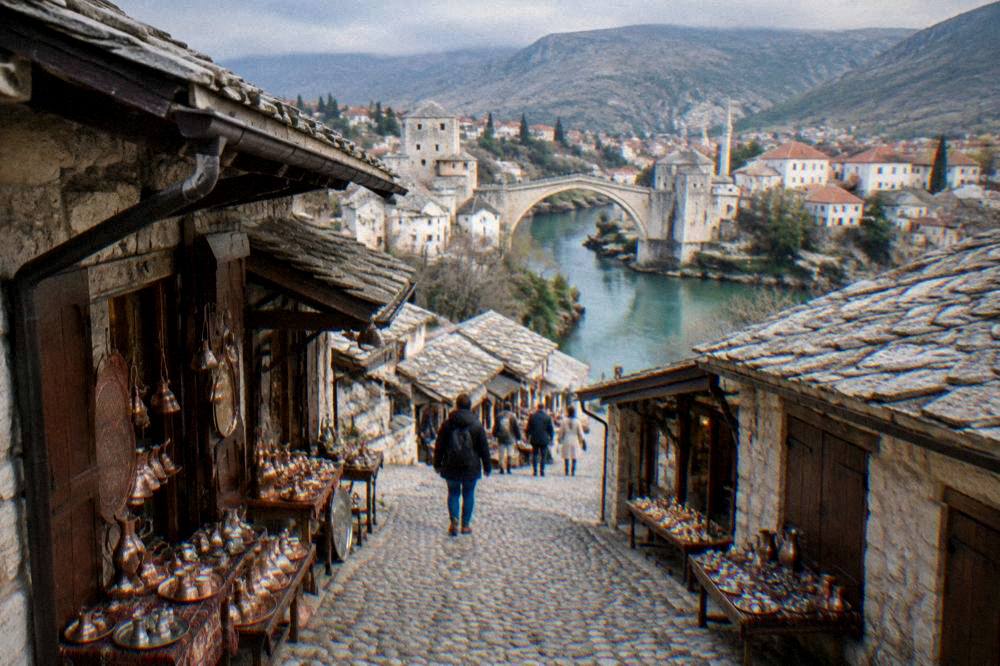
Split is 174.1 km and about 131 minutes from Stari Most, quicker by the clock than Dubrovnik despite being further by road; Kotor in Montenegro and Sarajevo sit at different scales entirely, Sarajevo at 127.1 km and about 134 minutes, and each makes a different day: Split for a bigger city with Roman walls, Sarajevo for the capital, Kotor for a second walled bay town with a second border.
The honest framing is that Mostar is within a day trip's radius of several cities, and only you can rank them, but the numbers travel well. Split and Dubrovnik both involve one Croatian border crossing each way under the same Schengen rules. Sarajevo is domestic, no border at all, and the Sarajevo day trip guide covers it; the train is part of its appeal, with two services a day each way between Sarajevo and Čapljina via Mostar after the service resumed on 15 October 2026 following the September suspension. The Kotor guide adds the Montenegro consideration, a third country and a different border regime again.
| Destination | Road km from Stari Most | Free-flow minutes | Border crossings per day trip |
|---|---|---|---|
| Sarajevo (Baščaršija) | 127.1 | 134 | 0 |
| Split | 174.1 | 131 | 2 (Croatia) |
| Dubrovnik (Stradun) | 145.5 | 150 | 2 (Croatia) |
| Kotor | n/a in this site's figures | n/a | 2 (Montenegro) |
What the table cannot rank is character, and no ranking claim is made here. Dubrovnik is the closest thing to a marquee coastal old town in the region; Sarajevo is a capital with a depth that rewards a full day; Split layers a Roman palace under a living city. Travellers pairing the coast with a domestic day often do Dubrovnik on one day and the Herzegovina loop, Kravice, Blagaj and Počitelj in one day, on the next, which keeps border days and border-free days cleanly separated.
What Does The Trip Cost Beyond The Tour Or Fuel?
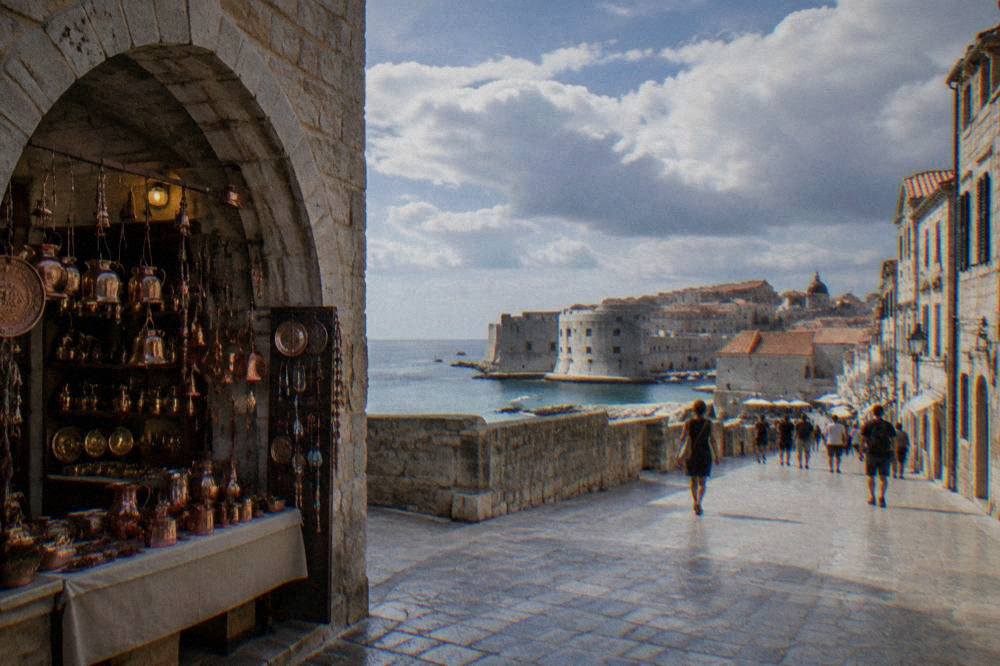
Budget in convertible marks for the Bosnian side of the day: the currency in Bosnia and Herzegovina is the KM (BAM), pegged at 1 EUR = 1.95583 KM, and euro cash is often accepted in tourist areas at a rounded rate, though confirm it; once across into Croatia you are in the euro zone, so a coast day is genuinely a two-currency day.
That two-currency reality is the budgeting detail people miss. You leave Mostar paying in KM and you buy lunch, walls tickets and parking in Croatia in euro. Cards are widely enough used on both sides that a day trip rarely needs large amounts of either currency, but small vendors on the Bosnian side prefer cash, and the fixed peg means converting is painless: 1 EUR is always 1.95583 KM by the official rate, with the caveat that a shop or café taking euro notes directly will often round the rate.
Figures this site carries, so you can anchor the day:
| Item | Figure | Where it applies |
|---|---|---|
| Kravica waterfall entry | 20 KM adult, all year | Bosnia and Herzegovina |
| Blagaj Tekke entry | about 10 KM | Bosnia and Herzegovina |
| Radimlja necropolis | about 8 KM individual | Near Stolac |
| Currency peg | 1 EUR = 1.95583 KM | Everywhere in BiH |
| Tourist tax | reported 3 KM per person per night, confirm at booking | Herzegovina-Neretva Canton |
Note that none of those Bosnian prices apply in Dubrovnik itself; the Croatian side runs on euro prices this site does not carry, and the honest instruction is to check the current prices on the official ticket pages before booking. What you can plan here is the structure: transport, one border, two currencies, and a day that is cheaper on the Herzegovina side of the line than on the coast side. The Mostar budget guide works through the city-side arithmetic in detail.
Is The Reverse Trip, Dubrovnik To Mostar, The Better Way Round?
For many travellers yes, because the product ecosystem runs in that direction: day tours from Dubrovnik to Mostar and Kravica are numerous, well reviewed and handle the border, the driving and the timing, while a traveller sleeping in Mostar gains mornings and evenings in the UNESCO old town instead of spending them on a coach. The route is the same 145.5 km either way.
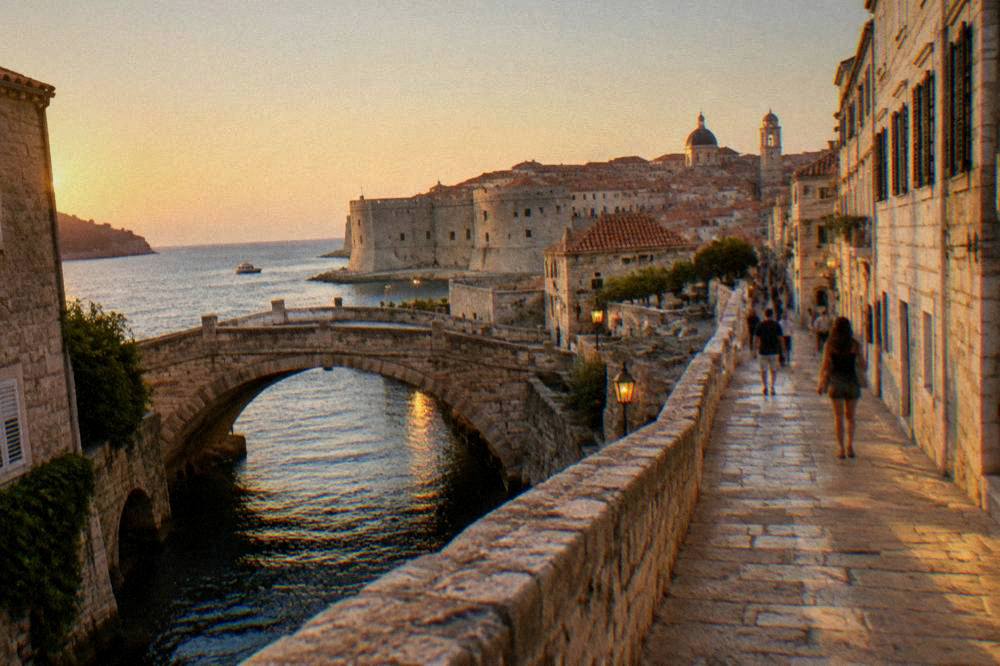
The reason this site exists at all is that the reverse trip is the heavier traffic. Dubrovnik's visitor base sends a steady flow north to Mostar's Old Bridge, and the paired Kravica stop turns the transfer into a full Herzegovina loop: the bridge, the Buna spring at Blagaj, the fortified village of Počitelj and the waterfall, all inside one booked day with the border handled. The Dubrovnik to Mostar guide covers that direction end to end, and the deeper pairing questions, how many days to give each city and whether to sleep in both, sit in the one day in Mostar itinerary and the wider Balkans itinerary.
So: worth it? If you have three or more days in the region and you want the coast contrast, yes, and the day is better spent early, midweek if possible, and with the border treated as part of the plan rather than an afterthought. If you have two days, spend the second one in Herzegovina. And if your base is Dubrovnik rather than Mostar Travel Guide's home city, the flow runs toward you, and the bridge will be waiting.
Common Questions About Dubrovnik From Mostar
How far is Dubrovnik from Mostar?
Dubrovnik's Stradun is 145.5 km by road from Stari Most in Mostar, about 150 minutes of free-flow driving each way, excluding border queues. Dubrovnik airport is 163.4 km and about 172 minutes.
Do you cross a border between Mostar and Dubrovnik?
Yes. Bosnia and Herzegovina is in neither the EU nor Schengen, and Croatia's land border is a Schengen external border with full checks since 1 January 2023. Typical car waits run up to about 30 minutes at Doljani-Metković and Bijača-Nova Sela, longer at summer peaks.
Is one day enough for a Dubrovnik day trip from Mostar?
Yes for the walled old town, with a roughly 07:00 departure and an 18:00 return giving about seven hours in the city. It is not enough for Dubrovnik's islands or a slow evening inside the walls.
Do you need euros for the trip?
On the Croatian side, yes. In Bosnia and Herzegovina the currency is the convertible mark (KM), pegged at 1 EUR = 1.95583 KM; euro cash is often accepted in tourist areas at a rounded rate, but confirm the rate before paying.
Is there a bus from Mostar to Dubrovnik?
Several daily buses run the Mostar-Dubrovnik line, roughly three to four hours according to operator schedules. Times and fares shift by season, so check the operator's live listing or buy at the station.
What is there to do instead if the border is too much?
Herzegovina fills a full day without a frontier: Blagaj Tekke at 13.7 km, Počitelj at 30.0 km and Kravica waterfall at 55.2 km from Stari Most, with Kravica entry at 20 KM for an adult all year.