Dubrovnik, Mostar, Sarajevo And Kotor: A Balkans Loop
A Balkans loop that runs Dubrovnik, Mostar, Sarajevo and Kotor ties Croatia, Bosnia and Herzegovina and Montenegro into one drive, and Mostar, on the Neretva river in Herzegovina, sits at its centre.
Ten to twelve days is the comfortable length for a Dubrovnik, Mostar, Sarajevo and Kotor loop. Bosnia and Herzegovina is not in the EU or Schengen, so the Croatia border carries full passport checks, the currency is the convertible mark, and Mostar sits about 145.5 km from Dubrovnik and 127.1 km from Sarajevo by road.
A Balkans loop that links Dubrovnik, Mostar, Sarajevo and Kotor packs three countries, two currencies and one UNESCO-listed old bridge into a single drive of roughly ten to twelve days, and Mostar, an inland city on the Neretva river in Herzegovina, Bosnia and Herzegovina, sits at the natural centre of it. The Old Bridge Area of the Old City of Mostar has been a UNESCO World Heritage property since 2005, and the city works both as a two-night stop in its own right and as the base for the Herzegovina day trips that fill the middle of any loop. This plan lays out the route order, the border reality between Croatia and Bosnia and Herzegovina, the drive times that shape each stage, and what the sights along the way cost in convertible marks. For the full city picture, start with things to do in Mostar and the longer Bosnia and Herzegovina itinerary.
How Long Does A Dubrovnik, Mostar, Sarajevo And Kotor Loop Take?
Ten to twelve days gives the loop room to breathe: two nights in Dubrovnik, two or three in Mostar, two in Sarajevo and two in Kotor, with the remaining days spent on the drives and the Herzegovina stops between them. The drives are short by Balkan standards, with Dubrovnik about 145.5 km from Mostar and Sarajevo about 127.1 km, so the pacing is set by border queues and sightseeing rather than distance.
A tighter eight-day version works if you cut one city to a single night, but it turns the Herzegovina stretch, Blagaj, Počitelj and Kravica waterfall, into a checklist rather than a day. Going shorter still, the Mostar day trip from Dubrovnik covers the bridge and the bazaar in one long day, though it leaves Sarajevo and Kotor out entirely, which is a different trip.
The loop direction matters less than the border timing. Croatia joined Schengen on 1 January 2023, so every crossing into or out of Bosnia and Herzegovina is a Schengen external border with full passport checks. Queues near Mostar at Doljani-Metković and Bijača-Nova Sela typically run up to about 30 minutes, longer at summer peaks, so a loop that crosses on four or five occasions should budget half a day in total for checks. Build that into each driving day rather than hoping it away.
| Stage | Road distance | Free-flow time |
|---|---|---|
| Dubrovnik (Stradun) to Mostar (Stari Most) | 145.5 km | about 150 min |
| Mostar to Sarajevo (Baščaršija) | 127.1 km | about 134 min |
| Mostar to Sarajevo airport | 120.4 km | about 125 min |
| Mostar to Trebinje | 116.5 km | about 142 min |
| Mostar airport to Stari Most | 8.2 km | about 12 min |
What Is The Best Route Order For A Balkans Loop?
The classic order runs Dubrovnik west to east, then north, then south again: fly into Dubrovnik, cross to Mostar for the Herzegovina stops, continue north to Sarajevo, and return south through Trebinje to Kotor before closing the loop back along the coast. This shape crosses the Bosnia and Herzegovina border four times, puts the shortest drives in the middle and saves the border-heavy Trebinje leg for one stretch.
Starting in Dubrovnik makes flight sense, since Dubrovnik airport is 163.4 km and about 172 minutes free-flow from Stari Most, and the coastal city repays at least two nights before you head inland. The Dubrovnik to Mostar run is the gateway leg of the loop, and the Dubrovnik day trips guide covers the same corridor in the opposite direction if you start from the coast.
From Mostar the loop climbs north to Sarajevo, which deserves two full nights: the two cities are different in almost every register, and the is Mostar or Sarajevo better question is worth reading before you split your nights. Returning south, Trebinje at 116.5 km and about 142 minutes from Mostar makes a natural single stop en route toward Montenegro, after which Kotor closes the loop and the coast road carries you back to Dubrovnik.
If Montenegro feels like one country too many, drop Kotor and close the loop through Neum, at 75.3 km and about 82 minutes from Mostar, the short Bosnian coast town that sits between the Croatian stretches of the Adriatic. The Mostar to Kotor guide covers the full southern leg if Kotor stays on.
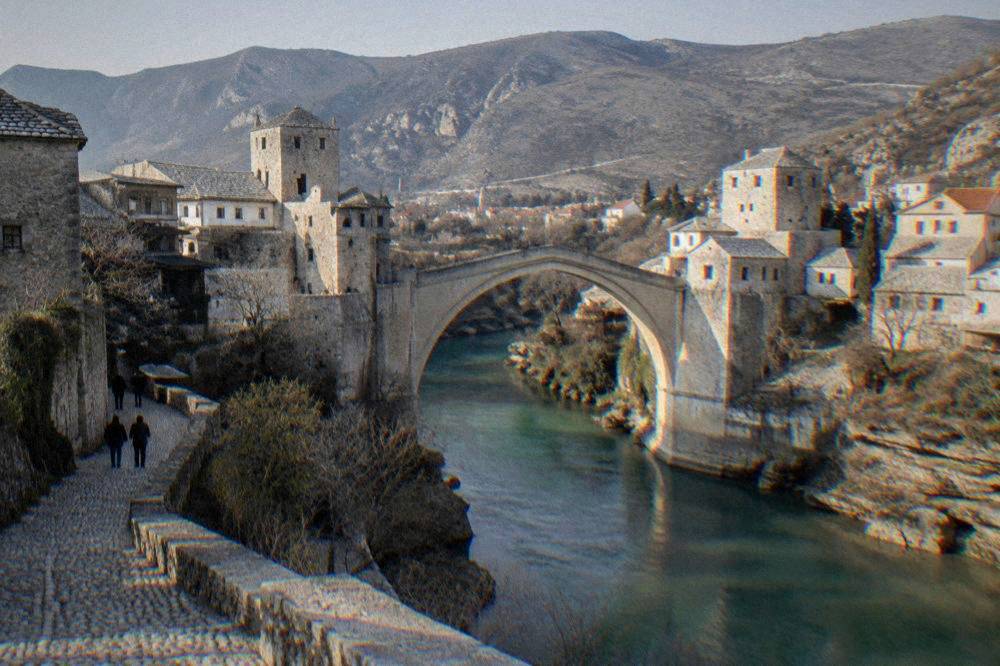
The Herzegovina day, Kravica waterfall, Blagaj and Počitelj, handled well, is what this loop is about, and a guided day trip from Mostar is the simplest way to do it. The Discover Herzegovina day tour from Mostar covers all three in one loop from the city, and you can Check availability alongside the planning pages.
The same corridor, Blagaj at 13.7 km, Počitelj at 30.0 km and Kravica waterfall at 55.2 km from Stari Most, can also be driven independently if you would rather set your own pace, and the Kravica, Blagaj and Počitelj in one day plan shows the ordering that works.
How Do You Cross The Croatia To Bosnia Border On A Balkans Loop?
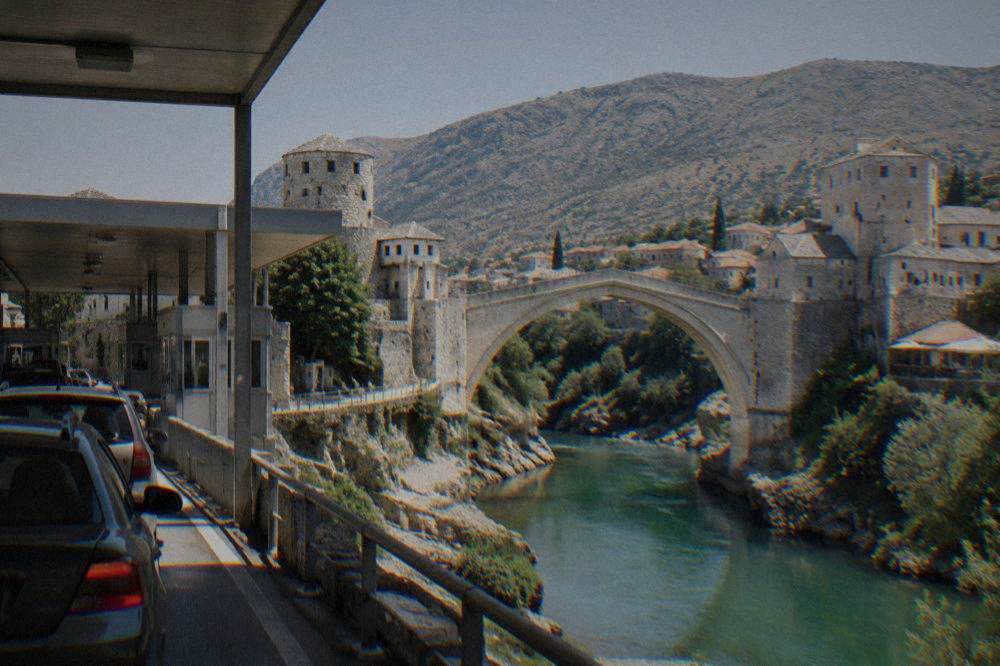
You cross a Schengen external border with full passport checks: Bosnia and Herzegovina is in neither the EU nor Schengen, Croatia's land borders have carried full checks since 1 January 2023, and ETIAS is not in operation, so no electronic travel authorisation is needed for these crossings. Typical waits near Mostar run up to about 30 minutes at Doljani-Metković and Bijača-Nova Sela, longer at summer peaks.
Visa-exempt visitors may stay in Bosnia and Herzegovina up to 90 days within a six-month period from first entry, so a loop of any realistic length sits far inside the limit. The Entry/Exit System is reported operational since about April 2026 and records entries and exits biometrically on the Schengen side, which is one more reason to keep passports within reach rather than buried in a boot bag.
For drivers, two practical points shape the loop. Rental cars crossing from Croatia into Bosnia and Herzegovina need the rental company's permission in advance, arranged when you book, not at the border. And the Pelješac Bridge, opened in 2022, lets Dubrovnik traffic bypass the Neum corridor entirely, so the Dubrovnik to Mostar leg can run through the Bijača-Nova Sela crossing without threading the Bosnian coast strip.
The currency changes at the border and stays changed: Bosnia and Herzegovina uses the convertible mark (KM, BAM), pegged at 1 EUR = 1.95583 KM, not the euro. Euro cash is often accepted in Mostar's tourist areas at a rounded rate, but confirm the rate before paying, and hold marks for anything outside the Old Town.
What Should You See In Mostar On The Middle Days?
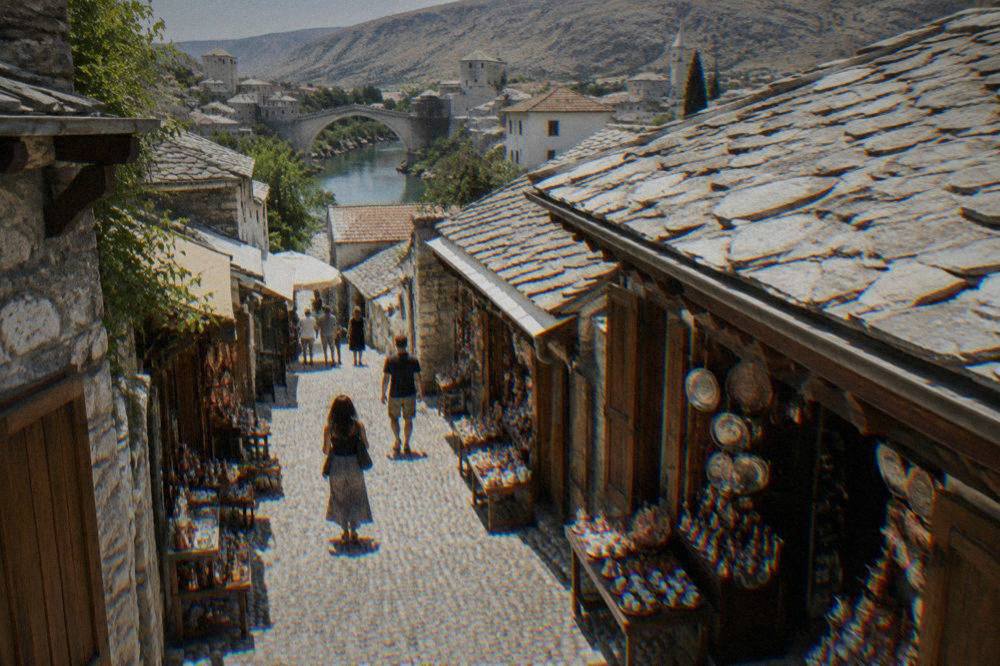
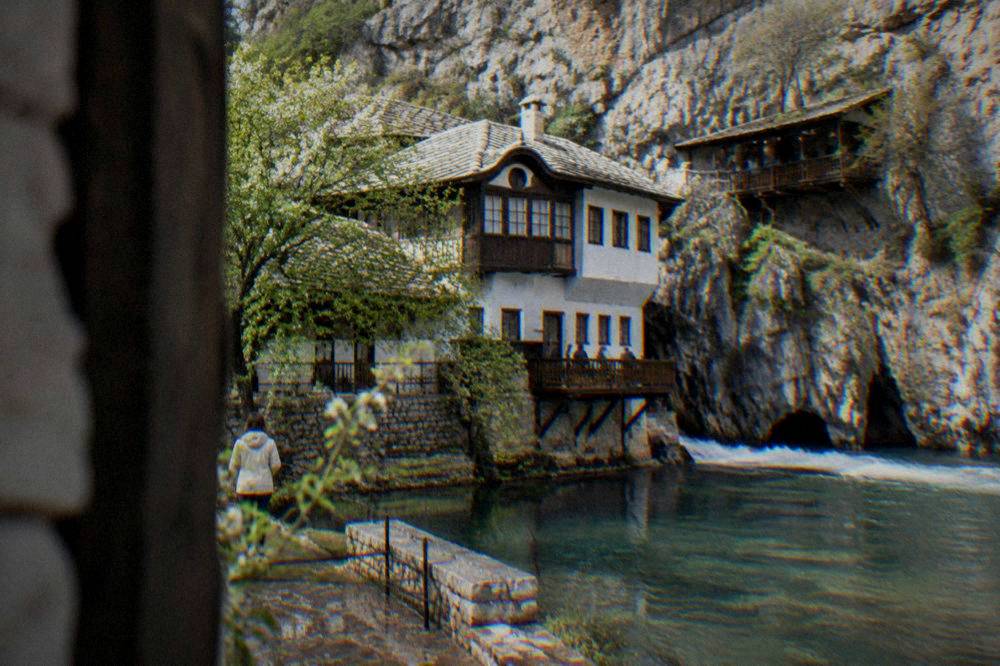
Give Mostar two full days: the first for Stari Most, the Kujundžiluk bazaar and the mosques and Ottoman houses of the Old Town, the second for the Herzegovina loop of Blagaj, Počitelj and Kravica waterfall. Stari Most is free to cross at any hour, Kravica charges 20 KM for an adult all year, and the Blagaj Tekke, 13.7 km away, charges about 10 KM with shoulders and knees covered.
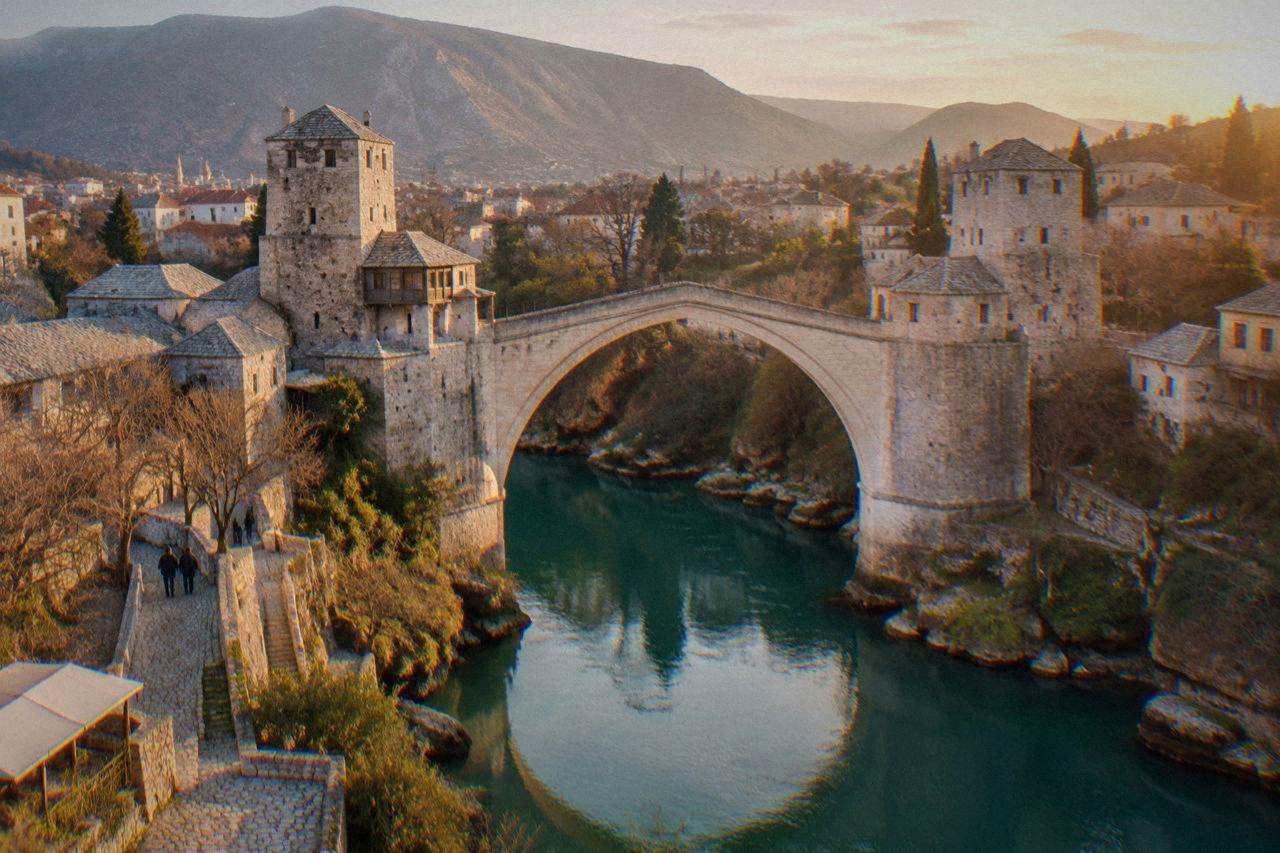
The Old Town day needs no car. The bridge itself, completed in 1566, destroyed on 9 November 1993 and rebuilt and reopened in July 2004, anchors everything, and the Stari Most and Kujundžiluk pages map the streets on either bank. Add the Koski Mehmed-pašina džamija for the river terrace and the minaret view, with a small cash fee for the mosque and more with the minaret. The one-day, two-day and three-day plans, one day in Mostar, two days in Mostar and three days in Mostar, show how each length spends itself.
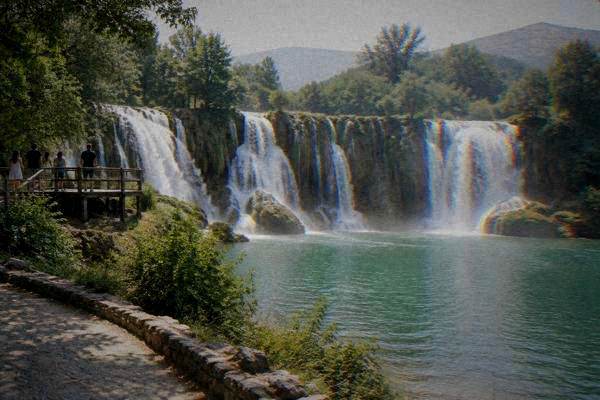
The second day is the Herzegovina loop, and it is the reason Mostar earns its nights. Blagaj's tekke sits at the Buna spring, Počitelj is a free fortified village 30.0 km on, and Kravica waterfall, 55.2 km and about 54 minutes from Stari Most, is open all year with hours that stretch to 22:00 from June to September. Swimming is allowed in the pool below the falls in summer in the designated area, with no lifeguard reported, so treat it accordingly and check the park's rules on arrival.
If you would rather build the Herzegovina day around a group, the semi-private Dubrovnik option below also runs the corridor for travellers who base themselves on the coast instead, which suits loops that give Mostar only a pass-through day.
| Herzegovina stop | Entry fee | Road distance from Stari Most |
|---|---|---|
| Stari Most and Kujundžiluk | free | 0 km |
| Blagaj Tekke | about 10 KM | 13.7 km |
| Međugorje sites | free | 28.3 km |
| Počitelj village | free | 30.0 km |
| Radimlja necropolis | about 8 KM | 33.5 km |
| Kravica waterfall | 20 KM adult, all year | 55.2 km |
| ARK D-0, Konjic | about 40 KM, booking required, closed Monday | 77.0 km |
| Vjetrenica cave | about 20 to 25 KM, guided | 77.2 km |
How Do You Travel From Mostar To Sarajevo On This Loop?
The Sarajevo leg is 127.1 km and about 134 minutes by road free-flow, and the train is the alternative: two trains a day each way between Sarajevo and Čapljina via Mostar, a ride of about two hours, with the service back in regular operation since 15 October 2026 after a suspension that began on 8 September 2026. Buses run the same corridor several times a day as well.
The train is the leg worth knowing about, because the line follows the Neretva canyon for much of the way and the fare is low, reported at about 14 KM one way. The 2026 suspension and October resumption are recent, so check the timetable before committing a loop day to it; the details sit in the Sarajevo to Mostar guide.
Driving the leg yourself keeps the loop flexible, and the road passes Jablanica at 47.4 km, where the Bridge on the Neretva ruins and the Battle for the Wounded museum sit a few KM off the route. The museum's own page prints two price lists, so treat entry as a few KM and confirm at the desk. The rest of the planning pages sit on Mostar Travel Guide.
Whether to split nights between the two cities is a real question on a loop this size. The Sarajevo day trips page shows how much of central Bosnia can be reached from the capital, and the Bosnia itinerary linked earlier builds the longer version if your loop can stretch past twelve days.
Is Kotor Worth Adding To A Balkans Itinerary?
Kotor earns its place if the loop has at least ten days, because the Montenegro leg adds another border pair and a long southern drive from Sarajevo or Mostar, but the bay and the walled town repay it: Trebinje breaks the journey at 142 minutes from Mostar, and from Trebinje the road continues south toward the bay of Kotor without backtracking through Croatia.
The southern leg is the quietest stretch of the loop and, for many drivers, the finest. Trebinje's old town and monastery sites are free or donation-based, which makes it a low-cost overnight that also breaks up the border crossings. The Kotor day trips page shows what the Montenegrin end of the loop can reach, and the Herzegovina road trip guide covers the drive down through Stolac and Trebinje in detail.
One caution carries over from Herzegovina into Montenegro's rural lanes: suspected mine areas remain in the region, so stay on marked paths and paved routes rather than wandering off-road, and treat warning signage seriously wherever you walk.
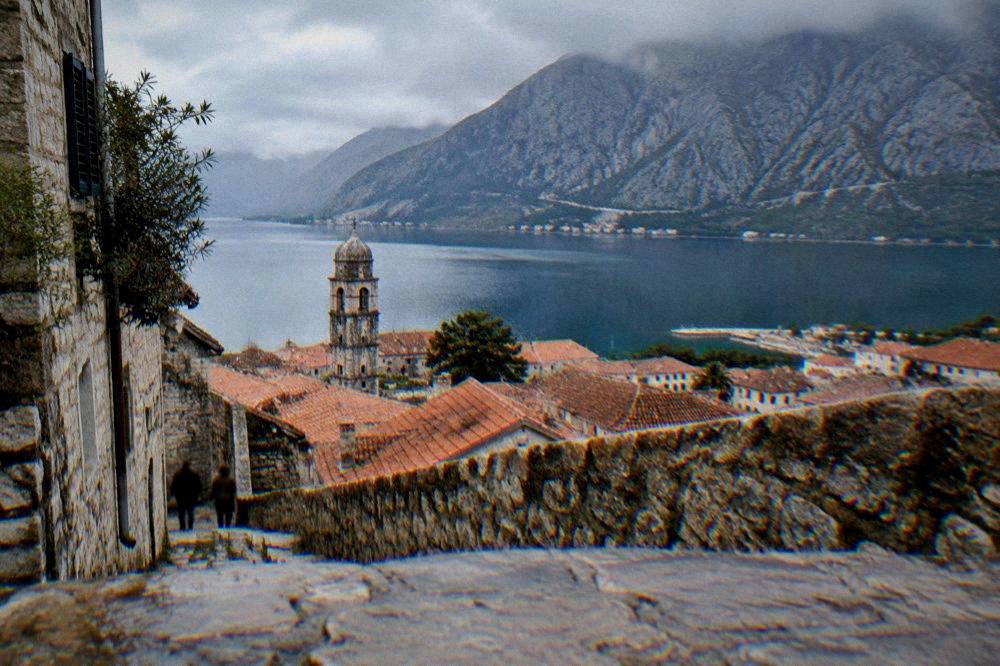
If the loop is running short on days, Kotor is the segment to cut: it is the only city on the route that does not sit on the Sarajevo corridor, and dropping it converts the loop into a simple Dubrovnik, Mostar, Sarajevo out-and-back that fits inside eight days comfortably.
What Does A Balkans Loop Around Mostar Cost To Enter?
Entry costs on the loop are low and mostly in cash marks: Stari Most and the Kujundžiluk bazaar are free, Kravica waterfall is 20 KM for an adult all year with children under 7 free, the Blagaj Tekke is about 10 KM, Radimlja is about 8 KM and ARK D-0 near Konjic is about 40 KM for foreign visitors with booking required. A reported tourist tax of 3 KM per person per night applies in Herzegovina-Neretva Canton from 1 January 2026, so confirm it at booking.
The cash point matters more than the amounts. Small vendors, site desks and car parks in Bosnia and Herzegovina work in marks, cards are common in hotels and larger restaurants but not everywhere, and ATMs in Mostar's centre are frequent. Choose to be charged in KM at the machine rather than in euro to avoid poor conversion.
Dubrovnik and Kotor sit on the euro side of the border, so a two-currency wallet is simply part of this loop. The bridge, the bazaar, Počitelj village and the Međugorje sites cost nothing, which means the days with the highest sight density can also be the days with the lowest spend.
| Day | Base | What the day holds |
|---|---|---|
| 1 to 2 | Dubrovnik | Old town walls, arrival, rental pickup |
| 3 | Dubrovnik to Mostar | Border at Bijača, Počitelj stop en route |
| 4 | Mostar | Stari Most, Kujundžiluk, Koski Mehmed-pašina džamija |
| 5 | Herzegovina loop | Blagaj, Kravica waterfall, optional Međugorje |
| 6 | Mostar to Sarajevo | Jablanica stop, about 134 min drive |
| 7 to 8 | Sarajevo | Baščaršija, museums, city days |
| 9 | Sarajevo to Trebinje | Long south leg, old town evening |
| 10 | Trebinje to Kotor | Border into Montenegro, the bay |
| 11 to 12 | Kotor to Dubrovnik | Coast road, border, fly out |
When Is The Best Time Of Year To Drive A Balkans Loop Through Mostar?
Late May, June and September suit this loop best: Mostar's July mean temperature is 24.7 C with an absolute maximum of 41.2 C on the FHMZ 1961 to 1990 series, and modelled ERA5 1991 to 2020 normals put August mean daily highs at 30.5 C, so midsummer days in Herzegovina are built around early mornings and long lunches rather than midday walking.
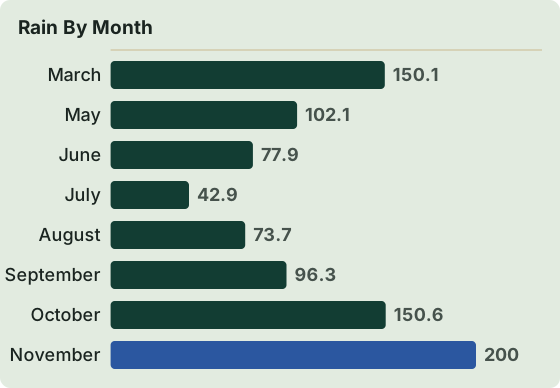
Rain follows the opposite calendar. November averages 200.0 mm against July's 42.9 mm on the FHMZ Mostar station series, with the year totalling 1,515.4 mm, so the shoulder months are drier as well as cooler. Winter loops are possible and quiet, but the mountain legs toward Sarajevo and Kotor carry snow risk, with a maximum recorded snow cover of 37 cm in the FHMZ table.
The event calendar is one argument for high summer despite the heat. The traditional Old Bridge diving competition ran its 460th edition on 26 July 2026, the Red Bull Cliff Diving World Series stopped in Mostar from 30 July to 1 August 2026 with women diving from 21 m and men from 27 m platforms, and Mostarsko ljeto filled 25 June to 7 August with concerts and exhibitions. A loop timed to late July catches the bridge at its loudest, if you accept the heat and the border queues that come with it.
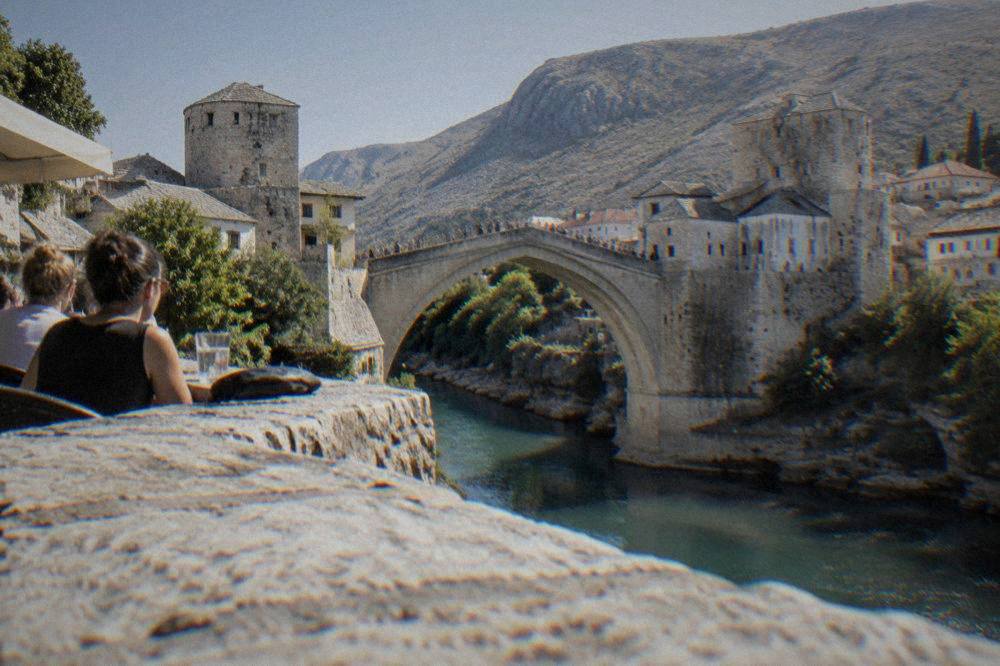
One water fact worth packing for the Herzegovina day: the Neretva stays cold even in August, fed by karst springs, so a swim on the loop is a short, sharp affair rather than a long soak.
For travellers arriving without a car for the whole loop, the Sarajevo corridor day trip below stitches Konjic, Počitelj, Blagaj and the waterfall into one guided run from the capital, which pairs well with a train ride down to Mostar beforehand.
| Month | Mean temp C (FHMZ 1961 to 1990) | Rain mm | Mean daily high C (ERA5 1991 to 2020) |
|---|---|---|---|
| March | 9.6 | 150.1 | 13.4 |
| May | 17.9 | 102.1 | 22.3 |
| June | 21.5 | 77.9 | 26.8 |
| July | 24.7 | 42.9 | 29.9 |
| August | 24.2 | 73.7 | 30.5 |
| September | 20.4 | 96.3 | 24.5 |
| October | 15.3 | 150.6 | 19.5 |
| November | 10.1 | 200.0 | 14.1 |
How Do You Pack A Balkans Loop With Kids Or Rain Days?
A loop with children works best when Mostar gets the Herzegovina day as a guided trip rather than a self-drive, since Kravica waterfall doubles as a swim stop in summer and the driving between sights disappears from the day; rainy days, meanwhile, shift weight to the tekke at Blagaj, the Museum of the Old Bridge and the restaurants of the Old Town, with November the month that makes them matter most at 200.0 mm of rain.
The family version of this loop is covered in Mostar with kids, and the wet-weather playbook sits in Mostar in the rain. Both matter on a loop, because Herzegovina's outdoor days are the ones a storm can take away, and the indoor list in the Old Town is shorter than the outdoor one.
Practical kit for the loop is simple: plugs are type C and F at 230 V across Bosnia and Herzegovina, the emergency number is 112, and comfortable walking shoes for cobbles do more for the trip than anything specialist. Cash marks for site desks, passports for four border crossings, and a rental agreement that permits the Bosnia and Herzegovina leg: those three carry the loop.
Common Questions About A Balkans Loop Around Mostar
How many days do you need for a Dubrovnik, Mostar, Sarajevo and Kotor loop?
Ten to twelve days is comfortable, with two nights each in Dubrovnik, Mostar, Sarajevo and Kotor plus driving days. Eight days works if Kotor is dropped and one city is trimmed to a single night.
Do you need a passport to cross between Croatia and Bosnia and Herzegovina?
Yes. Bosnia and Herzegovina is in neither the EU nor Schengen, and Croatia's land borders have carried full checks since 1 January 2023. Waits near Mostar typically run up to about 30 minutes, longer at summer peaks.
What currency do you need on a Balkans loop?
Euro in Croatia and Montenegro, convertible marks (KM, BAM) in Bosnia and Herzegovina, pegged at 1 EUR = 1.95583 KM. Euro cash is often accepted in Mostar's tourist areas at a rounded rate, but confirm the rate first.
Is the train from Sarajevo to Mostar running?
Regular service resumed on 15 October 2026 after a suspension that began on 8 September 2026. Two trains a day run each way between Sarajevo and Čapljina via Mostar, a ride of about two hours, with a fare reported at about 14 KM one way.
Can you swim at Kravica waterfall on the loop?
Swimming is allowed in the pool below the falls in summer in the designated area, with no lifeguard reported, so check the park's rules on arrival. Entry is 20 KM for an adult all year, and the park is open every month.
Which direction should you drive the loop?
Either direction works, but Dubrovnik first, then Mostar, Sarajevo and back south through Trebinje to Kotor keeps the longest drives split across separate days and saves the coast road for the finish.
The loop holds together because its distances are kind: no leg on the Bosnia and Herzegovina side exceeds about two and a half hours of free-flow driving, and every border, fee and timetable on this page is the kind of thing you can settle in an evening of planning before you go.