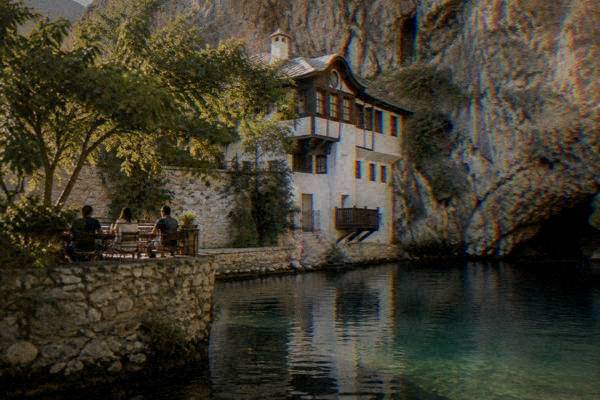
Bosnia And Herzegovina In A Week: Sarajevo, Mostar And The South
A week is enough to link Sarajevo, Mostar, Blagaj, Počitelj, Kravica waterfall and the limestone villages between them, using two cities as bases and short road hops in between.
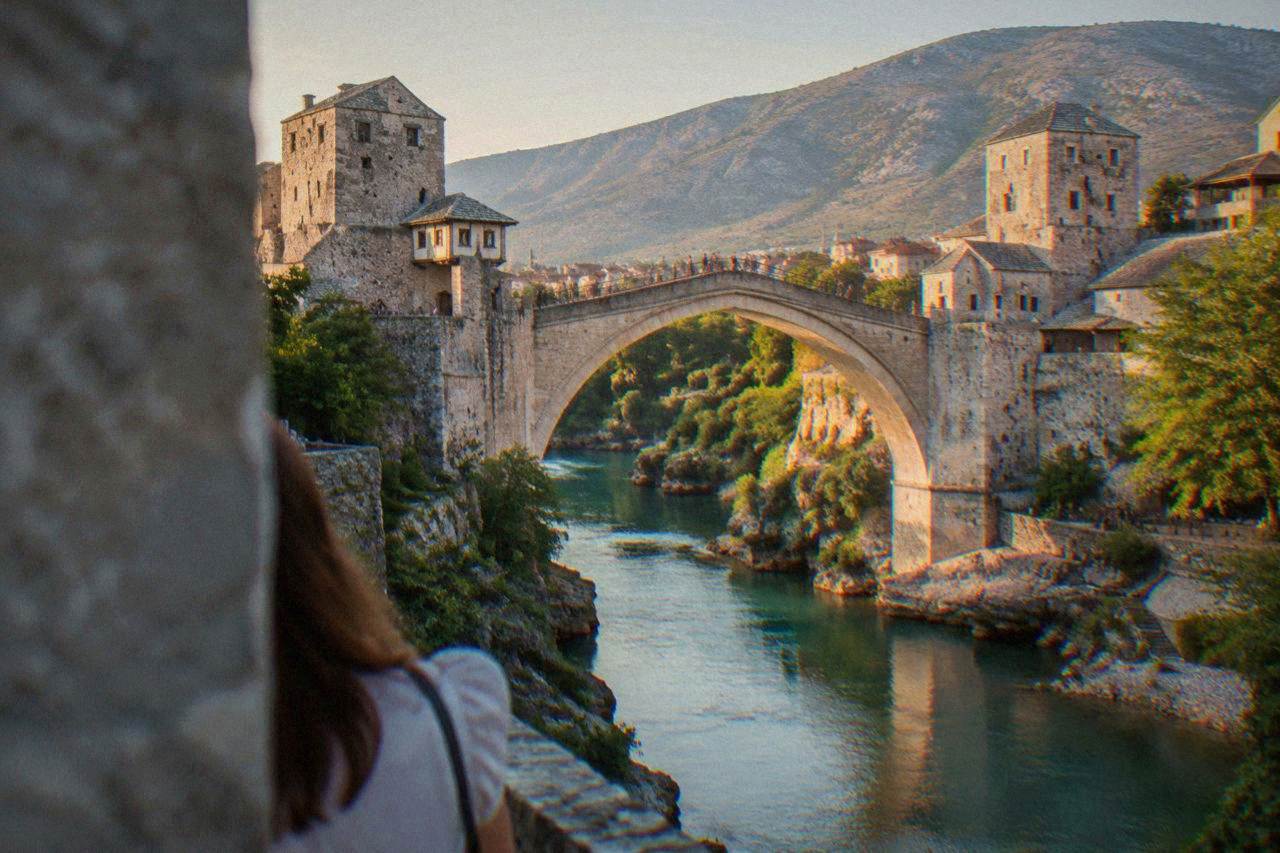
Spend two nights in Sarajevo, three in Mostar and split the remaining days between the Herzegovina south and the Neretva canyon towns. Entry fees run in convertible mark, road times between the main stops are under two and a half hours, and the whole loop fits seven days by car, bus or train.
Mostar sits at the centre of any sensible Bosnia itinerary: the city on the Neretva river is 127.1 km and about two and a quarter hours by road from Sarajevo, and under an hour from Blagaj, Počitelj and much of the Herzegovina south. That geography means one week comfortably covers the capital, the Old Bridge city and the canyon towns in between, without a single hotel change after the first move. This itinerary starts in Sarajevo, drops south to Mostar for three nights, loops the highlights around it, and ends either back in Sarajevo or over the border into Croatia.
How Many Days Do You Need For Bosnia And Herzegovina?
A full week is the practical minimum for Sarajevo, Mostar and the southern loop together, while four days covers only the two cities plus one day trip. Sarajevo to Mostar is 127.1 km, about 134 minutes free-flow by road, and the train runs twice a day each way in about two hours. From Mostar, Blagaj Tekke is 19 minutes away, Počitelj 31 minutes and Kravica waterfall about 54 minutes, so three nights in the city opens the whole south.
Fewer days force a choice between the capital and the canyons. With five days, drop the far south and keep Mostar plus Blagaj. With ten days, add Trebinje at 116.5 km and about 142 minutes from Mostar, and the Konjic and Jablanica stretch of the Neretva in one relaxed pass. The seven-day version below assumes arrival at Sarajevo airport, 120.4 km and about 125 minutes from Mostar by road, and departure from either capital. Mostar's own airport has a small route list, Croatia Airlines to Zagreb and Eurowings to Stuttgart among the reported services, so check schedules before committing to it.
What Does The Seven-Day Bosnia Itinerary Look Like Day By Day?
The shape that works is two nights in Sarajevo, three in Mostar and a final night either in Sarajevo or straight to the Croatian border: Days 1 to 2 in the capital, Day 3 travelling south with a stop in Konjic, Days 4 to 5 based in Mostar with the Blagaj, Počitelj and Kravica waterfall loop, Day 6 at Stolac, Radimlja or Međugorje, and Day 7 returning north. Every drive except the return is under two and a half hours.
The full skeleton looks like this:
| Day | Base | Stops | Road time on the move |
|---|---|---|---|
| 1 | Sarajevo | Arrival, Baščaršija old town | within the city |
| 2 | Sarajevo | Museums, viewpoints, city walks | within the city |
| 3 | Mostar | Konjic stop, Neretva canyon road | about 134 min total |
| 4 | Mostar | Stari Most, Kujundžiluk, Koski Mehmed-pašina džamija | on foot |
| 5 | Mostar | Blagaj, Počitelj, Kravica waterfall loop | about 90 min driving total |
| 6 | Mostar | Stolac, Radimlja, Međugorje or Vjetrenica | about 47 min to Stolac |
| 7 | Sarajevo or Croatia | Return north, or cross at Bijača or Doljani | about 134 min to Sarajevo |
Day trips out of Mostar do not need a car every time. Guided options cover the standard southern loop in one outing, and the Herzegovina day tour from Mostar pairs Blagaj, Počitelj and Kravica waterfall with a driver who knows the canyon road. Check current availability before locking your Day 5 plan.
The same loop works in reverse if you land in Dubrovnik, whose airport is 163.4 km and about 172 minutes free-flow from Mostar, border queues aside. The Mostar day trip from Dubrovnik pages cover that direction, and is Mostar or Sarajevo better answers the question this itinerary quietly skips: you do not have to choose, a week holds both.
How Do You Spend Days 1 And 2 In Sarajevo?
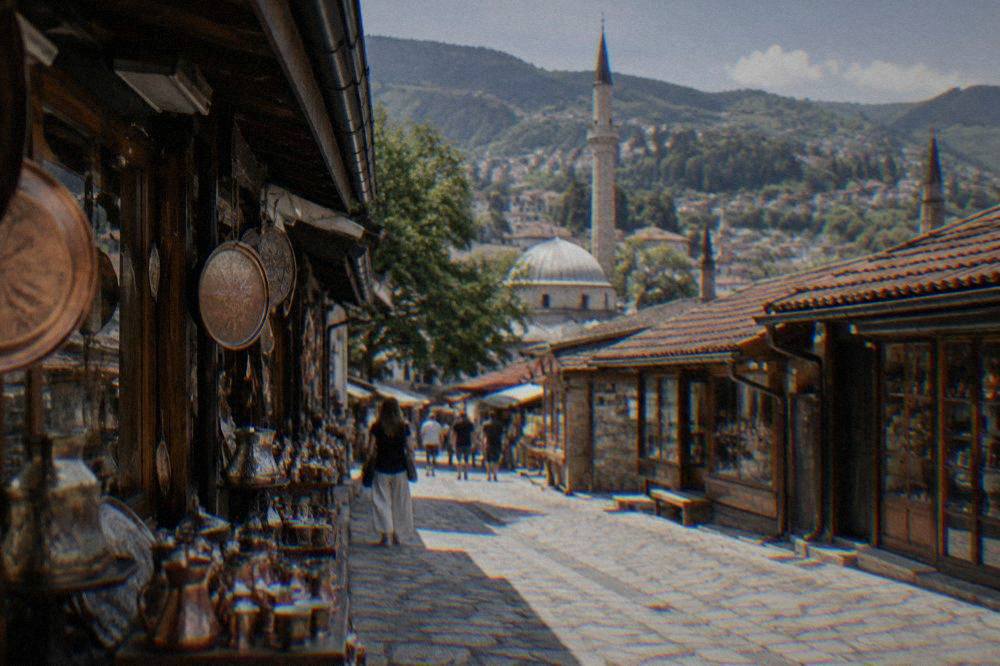
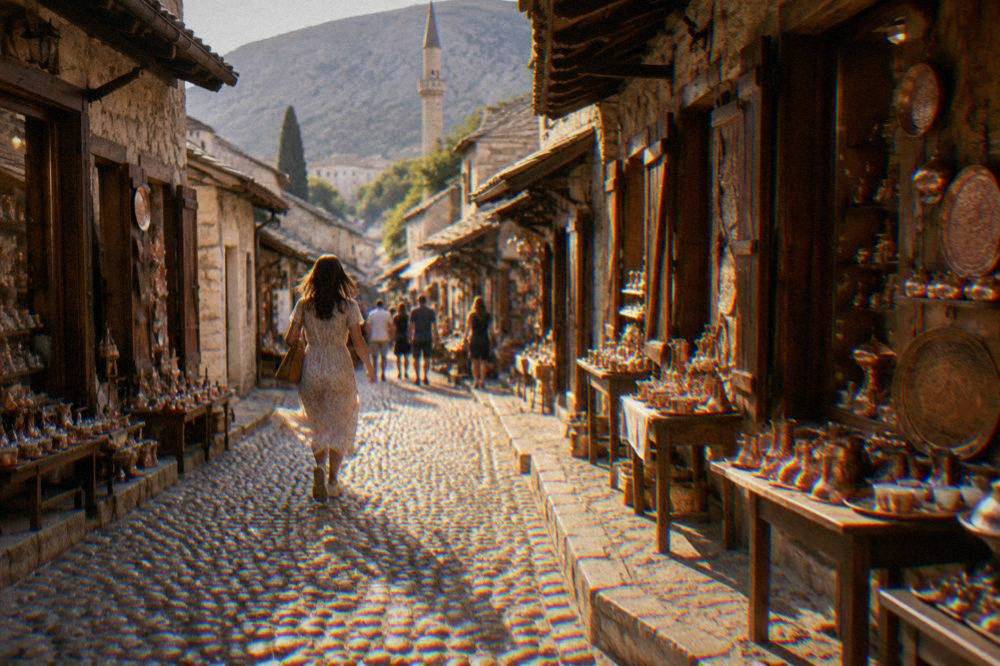
Give Sarajevo two full days: the first for Baščaršija, the old bazaar quarter, and the second for the museums and the hills that ring the valley. Sarajevo is 127.1 km north of Mostar, so Days 1 and 2 here front-load the trip before the drive south. The train between the two cities runs twice a day each way and takes about two hours, and the fare is reported at about 14 KM one way, so confirm it at the station.
Day 1 belongs to the old town on foot: the bazaar lanes, the Ottoman-era commercial streets, and the riverfront. A Mostar walking tour is the equivalent once you reach the south, but in Sarajevo the same logic applies, a short guided walk orients you before you wander alone. Day 2 is for the heights above the city and the tunnel museum outside it; allow a half day for each and keep the evening free.
The Sarajevo to Mostar transfer on Day 3 is a highlight in itself, and how to travel Sarajevo to Mostar compares the train against the road. The rail service was suspended in early September 2026 after a fire along the corridor and resumed on Thursday 15 October 2026, so the line is running, two trains a day each way between Sarajevo and Čapljina via Mostar. If you drive instead, stop in Konjic, 69.0 km and about 80 minutes from Mostar, for the old bridge and, with advance booking, the ARK D-0 bunker.
What Do Days 4 And 5 In Mostar Cover?
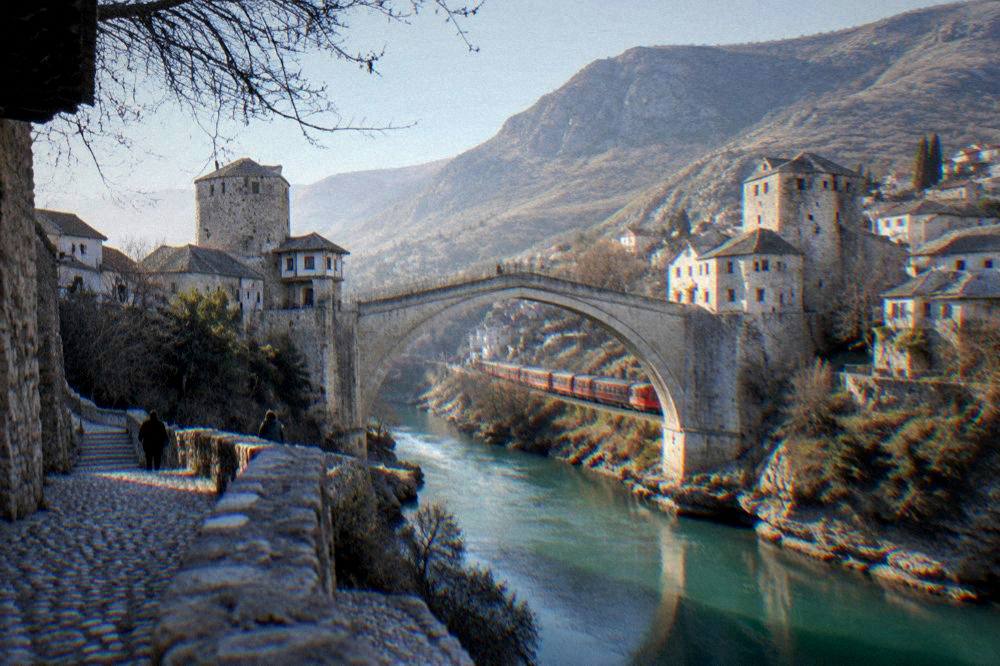
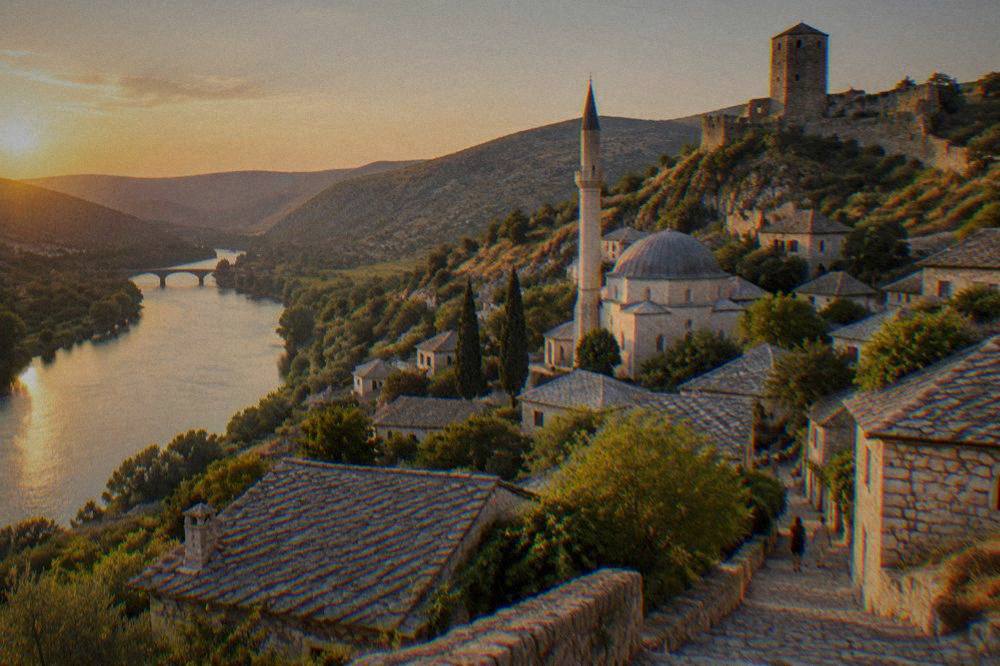
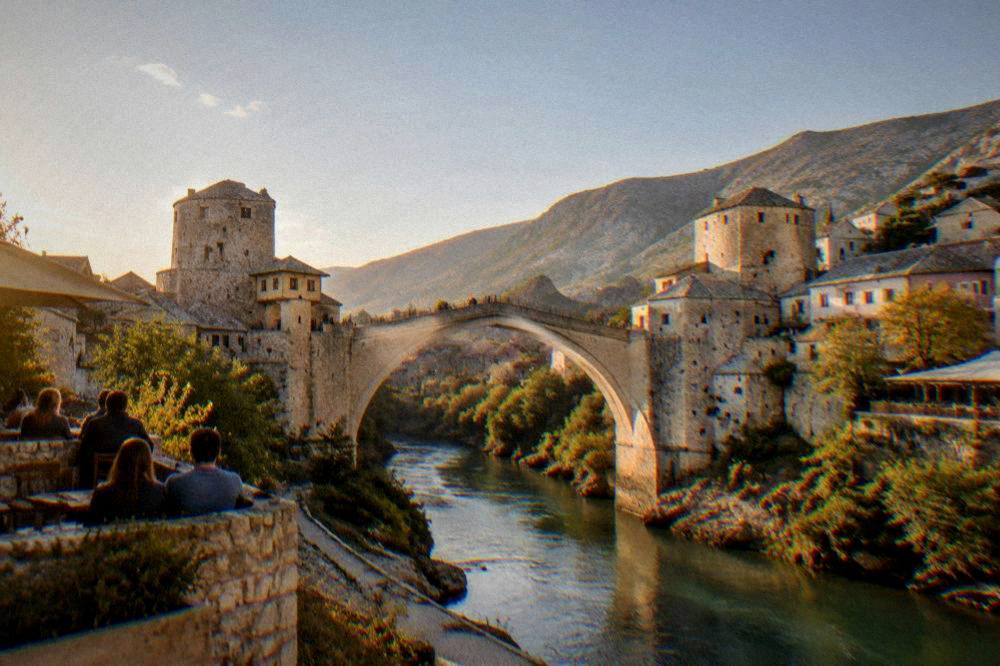
Day 4 is the city itself: Stari Most, the Old Bridge, free to cross at any hour as a public pedestrian route, the Kujundžiluk bazaar on the east bank, and Koski Mehmed-pašina džamija beside the river, which charges a small cash fee for the mosque and more with the minaret. Day 5 is the southern loop: Blagaj Tekke at 19 minutes, Počitelj at 31 minutes and Kravica waterfall at about 54 minutes, all on one road heading south.
The Old Bridge Area of the Old City of Mostar has been a UNESCO World Heritage property since 2005. The bridge was completed in 1566, destroyed on 9 November 1993 during the war, and rebuilt and reopened in July 2004. Diving club members jump from it in the warmer months; visitors do not, there is no pay-to-jump option, so watch rather than climb. The bridge stands about 21 to 24 metres above the river depending on its level, and the water below is cold even in August.
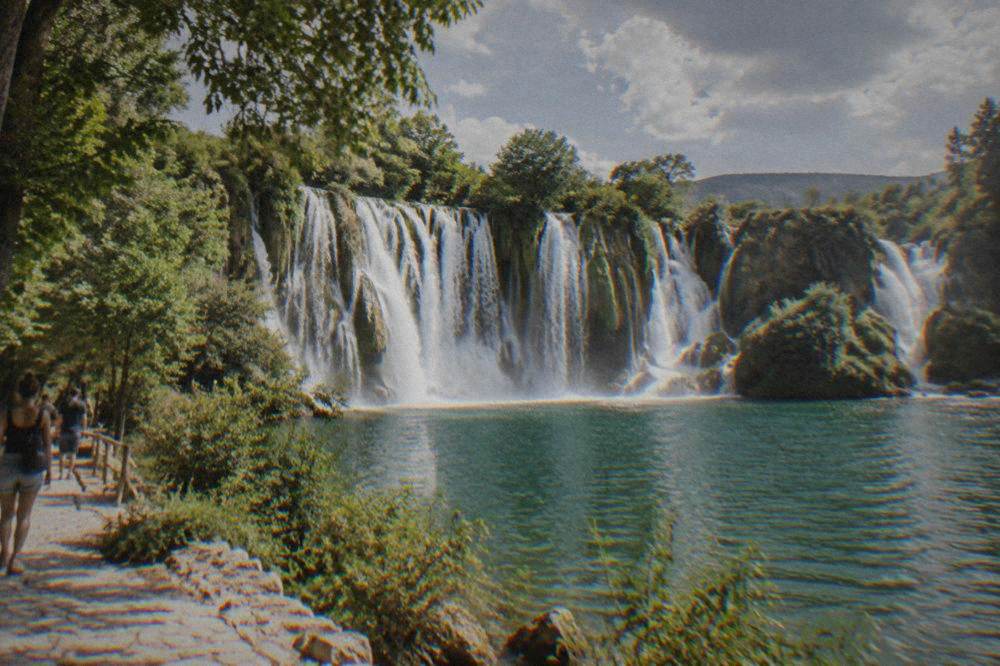
Entry fees along Day 5 are small and in convertible mark. Blagaj Tekke, the dervish house at the Buna spring, charges about 10 KM with shoulders and knees covered. Počitelj village is free. Kravica waterfall charges 20 KM for an adult all year, 10 KM for residents of Bosnia and Herzegovina, and children under 7 enter free; the park opens from 07:00 to 22:00 in June through September and shorter hours by month otherwise. The two days in Mostar plan unpacks the city half of this in more detail.
| Stop on Day 5 | Road distance from Stari Most | Free-flow time | Entry fee |
|---|---|---|---|
| Blagaj Tekke | 13.7 km | 19 min | about 10 KM |
| Počitelj | 30.0 km | 31 min | village free |
| Kravica waterfall | 55.2 km | 54 min | 20 KM adult, under 7 free |
| Međugorje (St James church) | 28.3 km | 40 min | sites free |
Swimming at Kravica is allowed in summer in the designated pool below the falls, with no lifeguard reported, so check the park's rules on arrival. The Kravica, Blagaj and Počitelj in one day page carries the full version of this loop if you want to stretch it.
What Are The Options For Day 6 Around Mostar?
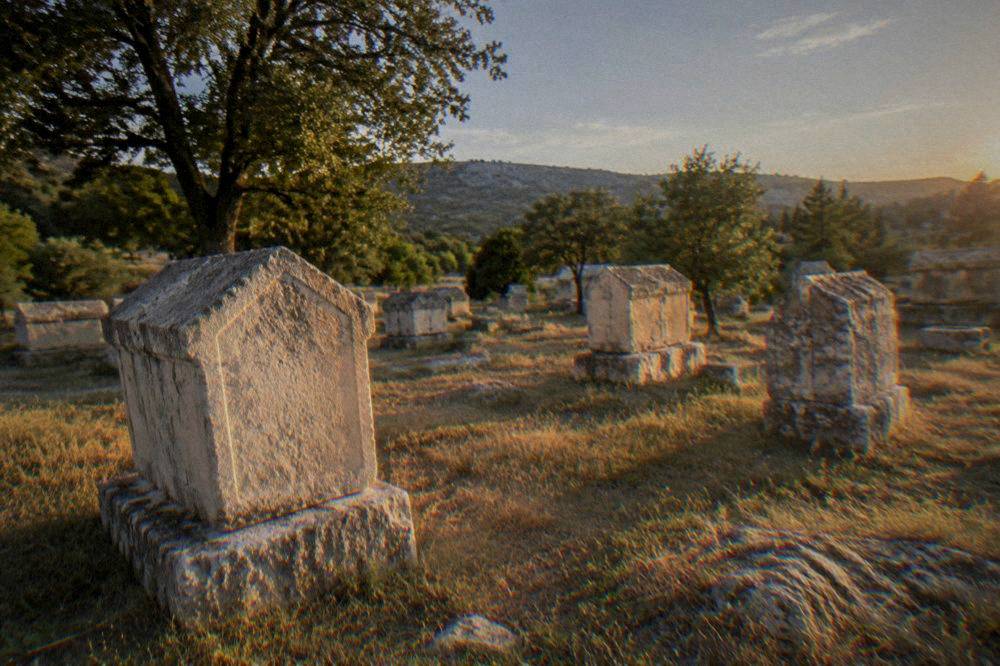
Day 6 goes east: Stolac at 36.8 km and about 47 minutes, the Radimlja necropolis at 33.5 km and about 42 minutes, or Međugorje at 28.3 km and about 40 minutes, all reachable on one road out of the city. Radimlja, part of a UNESCO-listed series of medieval stećci tombstones inscribed in 2016, charges about 8 KM individually and about 5 KM for groups and citizens. Vjetrenica cave, about 104 minutes away, charges about 20 to 25 KM with a guide.
Radimlja is the single densest stop of the week for anyone interested in medieval stone carving, and it sits directly beside the Stolac road, so the two pair naturally. Međugorje is the pilgrimage alternative: the hills and the St James church are free and open around the clock, with modest dress expected in the church. Vjetrenica, the wind cave near Ravno, is the longest option and needs the most driving, roughly three and a half hours in the round trip, so treat it as the pick of the day only if caves are your priority.
If none of the east appeals, rest the day in Mostar itself. The Donja Mahala district on the west side of the river holds its own café scene and the Muslibegović House, an Ottoman house museum charging about 8 KM, while Bišćević House on the east side charges about 4 KM. Either fills a slow afternoon.
How Do You Handle Day 7, Returning North Or Crossing To Croatia?
Day 7 splits three ways: return to Sarajevo, 127.1 km and about 134 minutes free-flow, for a flight out the next morning; drive to Dubrovnik, 145.5 km and about 150 minutes to the Stradun plus border time; or head to Split at 174.1 km and about 131 minutes. The two main border crossings near Mostar are Doljani-Metković and Bijača-Nova Sela, with reported waits up to about 30 minutes and longer at summer peaks.
Bosnia and Herzegovina is not in the European Union and not in Schengen, so the Croatian land border is an external Schengen border with full passport checks, in force since 1 January 2023. ETIAS is not in operation, so no pre-authorisation is needed, but passports and, in a rental car, written cross-border permission are. The Pelješac bridge, opened in 2022, lets Dubrovnik-bound traffic bypass the Neum corridor entirely, which usually means one border crossing instead of two.
If you started in Dubrovnik or Split, you can also run this whole itinerary in reverse and finish in Sarajevo, flying home from there. The train north from Mostar departs twice daily toward Sarajevo after the October 2026 resumption; the timetable prints Sarajevo departures at 07:15 and 16:46, and the run takes about two hours. Confirm the current fare and day's times at the station or on the operator's site before you commit.
What Are The Road Distances Between Every Stop On The Bosnia Itinerary?
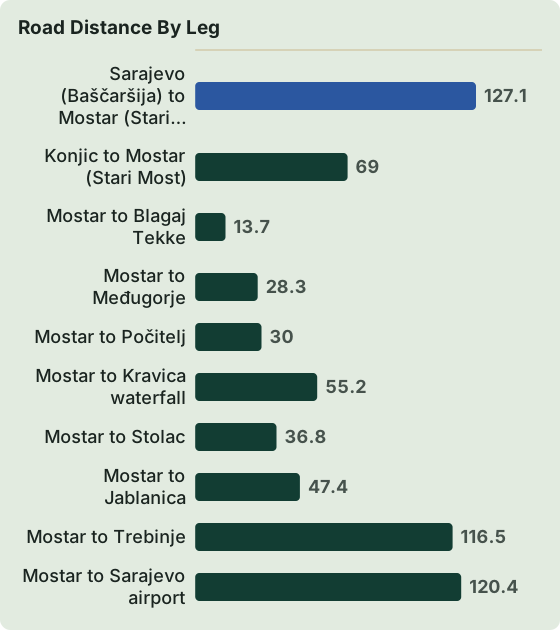
Every leg of the week is short: no single drive on the itinerary exceeds two and a quarter hours free-flow, and the southern loop legs all run under an hour. Sarajevo to Mostar is the longest at 127.1 km, Konjic sits 69.0 km north of Mostar on that same road, and Kravica waterfall is the far point of the south at 55.2 km. These are computed free-flow times and exclude border queues entirely.
| Leg | Road distance | Free-flow time |
|---|---|---|
| Sarajevo (Baščaršija) to Mostar (Stari Most) | 127.1 km | about 134 min |
| Konjic to Mostar (Stari Most) | 69.0 km | about 80 min |
| Mostar to Blagaj Tekke | 13.7 km | 19 min |
| Mostar to Međugorje | 28.3 km | 40 min |
| Mostar to Počitelj | 30.0 km | 31 min |
| Mostar to Kravica waterfall | 55.2 km | 54 min |
| Mostar to Stolac | 36.8 km | 47 min |
| Mostar to Jablanica | 47.4 km | 57 min |
| Mostar to Trebinje | 116.5 km | 142 min |
| Mostar to Sarajevo airport | 120.4 km | 125 min |
| Mostar to Dubrovnik (Stradun) | 145.5 km | 150 min |
| Mostar to Split | 174.1 km | 131 min |
Two structural notes for drivers. First, corridor Vc motorway works continue around Mostar, with the north-south section rerouted in September 2026 toward a new Livač tunnel and the southern bypass still under construction, so allow slack on the approaches. Second, if you extend the trip, the Balkans itinerary adds Kotor and the Montenegrin side, and the Herzegovina road trip deepens the southern half at the expense of Sarajevo.
What Does A Week In Bosnia And Herzegovina Cost?
The sightseeing spend for this itinerary runs to roughly 40 to 50 KM per adult across the whole week if you skip the optional add-ons: Kravica waterfall at 20 KM, Blagaj Tekke at about 10 KM, Radimlja at about 8 KM and the two Mostar house museums at about 12 KM combined, with Stari Most, Počitelj, Međugorje and the Kujundžiluk bazaar all free. ARK D-0 at 40 KM for foreign visitors and Vjetrenica at about 20 to 25 KM are the big optional swings.
| Item | Figure | Notes |
|---|---|---|
| Stari Most crossing | free | public route, any hour |
| Kravica waterfall | 20 KM | adult, all year; under 7 free |
| Blagaj Tekke | about 10 KM | shoulders and knees covered |
| Radimlja necropolis | about 8 KM | about 5 KM groups and citizens |
| Muslibegović House | about 8 KM | reported |
| Bišćević House | about 4 KM | reported |
| ARK D-0 bunker | about 40 KM | foreign visitors, booking required, closed Monday |
| Vjetrenica cave | about 20-25 KM | guided |
| Međugorje sites | free | hills and church |
| Počitelj | free | village and fortress |
The currency is the convertible mark, KM, pegged at 1 EUR = 1.95583 KM, and prices are quoted in it everywhere. Euro cash is often accepted in tourist areas, usually at a rounded 1 to 2 rate, but that is not an official rule, so confirm the rate or pay in mark. A tourist tax is reported at 3 KM per person per night in the Herzegovina-Neretva Canton from 1 January 2026, so confirm at booking how your accommodation handles it. Buses and trains are inexpensive by western European standards; the Sarajevo to Mostar train fare of about 14 KM one way is reported, so check at purchase.
When Is The Best Month To Run This Bosnia Itinerary?
Late May through June and September into early October give the best balance: the FHMZ 1961-1990 station series shows July rainfall at just 42.9 mm against November's 200.0 mm, and ERA5 reanalysis 1991-2020 puts mean daily highs at 29.9 C in July and 30.5 C in August against 24.5 C in September. July and August are workable but hot, with the station's absolute maximum at 41.2 C, and November is the rain adjustment month.
| Month | Mean daily high (ERA5 1991-2020) | Rainfall (FHMZ 1961-1990) | Verdict for the itinerary |
|---|---|---|---|
| April | 17.7 C | 127.3 mm | mild, green, waterfalls full |
| May | 22.3 C | 102.1 mm | strong all-round month |
| June | 26.8 C | 72.4 mm | warm, drier, long days |
| July | 29.9 C | 42.9 mm | hot, the diving season |
| August | 30.5 C | 73.7 mm | hot, peak crowds at Kravica |
| September | 24.5 C | 96.3 mm | the comfortable shoulder |
| October | 19.5 C | 150.6 mm | quieter, wetter |
| November | 14.1 C | 200.0 mm | rain-heavy, low season |
July carries the calendar pull: the traditional Old Bridge diving competition ran its 460th edition on 26 July in 2026, and the Red Bull Cliff Diving round followed from 30 July to 1 August, with men jumping from 27 m platforms and women from 21 m. Mostarsko ljeto ran 25 June to 7 August in 2026 and the Jazz Fest 23 to 25 August. These are annual events with 2026 as the latest edition, so treat the dates as a pattern, not a promise.
If rain catches you regardless, Mostar in the rain covers the indoor half of the city, and travelling with children changes the rhythm enough that the Mostar with kids plan is worth a read first.
What Practical Rules Apply On This Bosnia Itinerary?
Three rules cover the week: carry mark in cash for the small entry fees and rural stops, carry your passport for every border crossing because Bosnia and Herzegovina is outside the EU and Schengen, and stay on marked paths in rural Herzegovina because of suspected mine areas, per the national mine-action centre's standing advice. The emergency number is 112, with 122 police, 123 fire and 124 ambulance.
Visa-exempt visitors may stay up to 90 days over a six-month period from first entry, which no tourist itinerary will approach. Plugs are type C and F at 230 V. Tap water is generally treated and safe in the cities. In the countryside, especially around Stolac, Vjetrenica and any trail east of the Neretva, the mine advice is not theoretical: keep to roads, signposted paths and established sites, and let the marked areas stay marked.
Money is simple if you keep it simple. Withdraw mark, choose the local-currency option at the ATM, and keep a card as backup for hotels and larger restaurants. The full breakdown, including how the peg works and where euro cash is usually taken, sits on the money page of this site, Mostar Travel Guide, alongside the things to do in Mostar index for the city days of the trip.
Common Questions About The Bosnia And Herzegovina Itinerary
Can you do Sarajevo and Mostar in one week?
Yes, comfortably. They are 127.1 km apart, about 134 minutes by road or about two hours by train, twice daily each way, so two nights in Sarajevo and three in Mostar leaves two spare days for the Herzegovina loop.
Do you need a car for this itinerary?
No. The train links Sarajevo and Mostar, buses cover Blagaj and Međugorje, and guided day tours run the Blagaj, Počitelj and Kravica waterfall loop from Mostar. A car adds flexibility for Stolac, Vjetrenica and Trebinje.
Is the euro accepted in Bosnia and Herzegovina?
The currency is the convertible mark, pegged at 1 EUR = 1.95583 KM. Euro cash is often accepted in tourist areas, usually at a rounded 1 to 2 rate, but confirm the rate or pay in mark.
How far is Kravica waterfall from Mostar?
55.2 km and about 54 minutes by road free-flow. Entry is 20 KM for an adult all year, with children under 7 free, and the park is open year-round with hours that vary by month.
Is there a border crossing between Mostar and Dubrovnik?
Yes, at Doljani-Metković or Bijača-Nova Sela. Bosnia and Herzegovina is not in Schengen, so full passport checks apply, with reported waits up to about 30 minutes and longer at summer peaks.
What is the rainy season in Herzegovina?
Rain peaks in late autumn and winter: the FHMZ 1961-1990 station series shows November at 200.0 mm and December at 178.7 mm against July at 42.9 mm. May through September is the drier window.