Muslibegović House: The Ottoman Residence You Can Sleep In
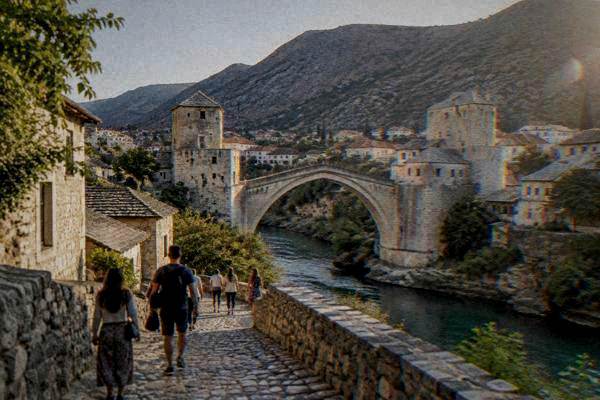
Muslibegović House stands on the west bank of the Neretva in Mostar, a short walk from Stari Most, and it is one of the few Ottoman residences in the city that works both as a museum and as a place to spend the night.
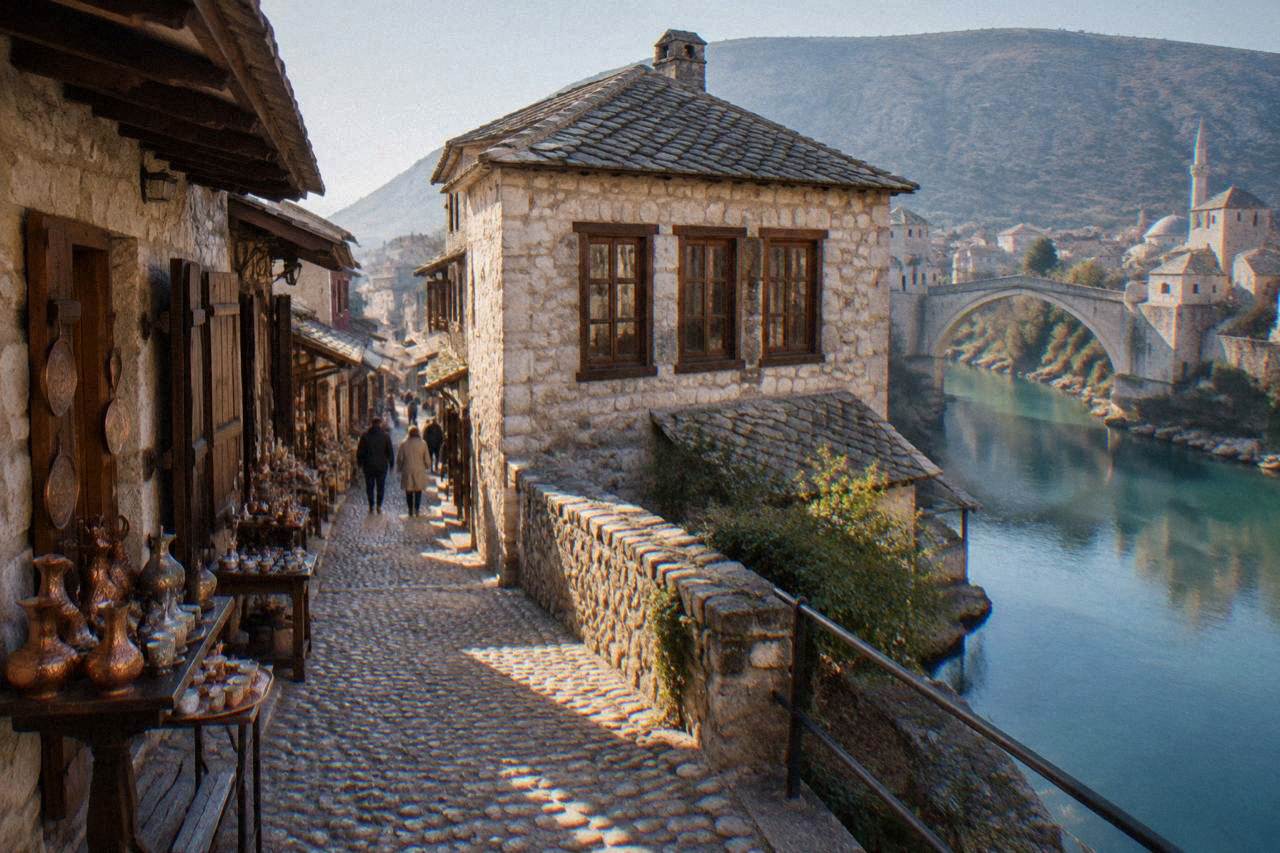
Muslibegović House is a historic Ottoman residence in Mostar's Old Town, open to visitors for a reported entry fee of about 8 KM, with rooms available overnight. It sits minutes on foot from Stari Most.
Muslibegović House in Mostar, in Herzegovina, Bosnia and Herzegovina, is an Ottoman-era family residence on the west bank of the Neretva, a few minutes on foot from Stari Most, the Old Bridge. It is one of the few houses of its kind in the city that a visitor can walk through as a museum and, unusually, book a room in for the night. The house gives a close look at domestic Ottoman architecture in a city better known for its bridge, and it sits inside the Old Bridge Area of the Old City of Mostar, a UNESCO World Heritage property inscribed in 2005. This page from Mostar Travel Guide covers what the house is, the reported entry fee, what there is to see, how it compares with the other historic houses of Mostar, and how it works as a base for wider trips around Herzegovina.
What Is Muslibegović House In Mostar?
Muslibegović House is a stone Ottoman residence on the west bank of the Neretva river in Mostar, built for a wealthy family and divided in the classic Ottoman way into a public lower floor and a private upper floor, with separate quarters for men's and women's use. Today part of it is a museum you can visit for a reported fee of about 8 KM, and part of it operates as guest accommodation.
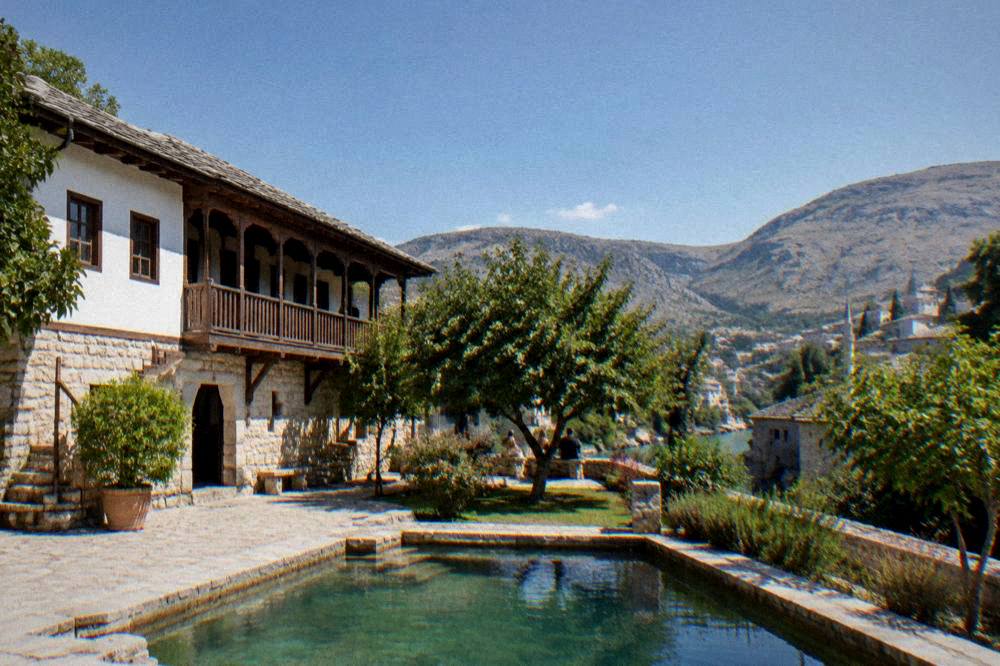
The house follows the standard grammar of Ottoman domestic building in Herzegovina: thick stone walls at street level, where the stable, storage and work rooms once sat, and a lighter timber-framed upper storey where the family lived. The upper floor traditionally had the selamluk, the part of the house used for receiving male guests, and the haremluk, the family's private quarters. That division is one of the things a walk through the house makes concrete, because the two halves differ in layout, decoration and the way light enters.
Mostar has several of these courtyard houses from the Ottoman period, and Muslibegović House, Bišćević House and Kajtaz House are the three visitors hear about. All sit within the historic fabric around the Old Town, and each shows the same building culture through a different family's circumstances. For the wider background on the city's growth from an Ottoman bridge settlement, see the Mostar history guide.
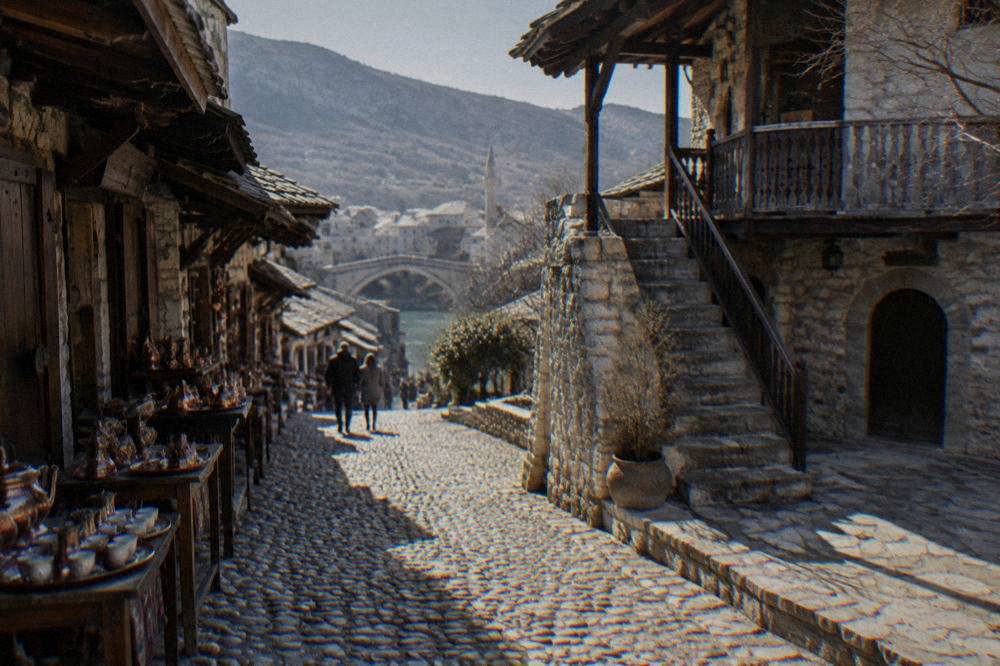
What makes the house distinct in the present day is the combination of uses. The museum rooms hold period furniture, textiles, weapons and household objects, while other parts of the building work as a small hotel, so the house is lived in rather than frozen. Few historic residences in the region offer both in one building.
Where Does Muslibegović House Sit, And How Close Is It To Stari Most?
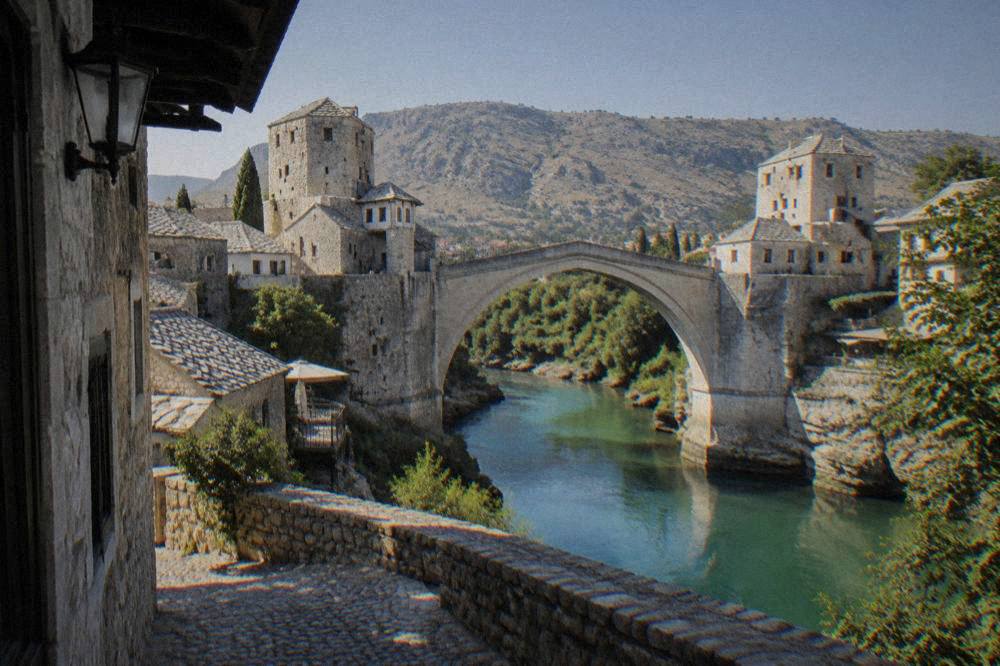
Muslibegović House stands on the west bank of the Neretva in the Old Town of Mostar, a few minutes on foot from Stari Most, the Old Bridge, and just as close to the Kujundžiluk bazaar street that runs down to it. Everything visitors come to Mostar for in the historic core is reachable on foot from the front door, and no transport is needed.
The west bank is the side of the river that carries the main approach to the bridge from the bazaar, and the house sits within the protected area around it. A walk from the doorstep takes in Stari Most itself, free to cross and open around the clock, the Kujundžiluk bazaar, the Koski Mehmed Pasha Mosque a short stretch downstream, and the Crooked Bridge, Kriva ćuprija, over the Radobolja stream.
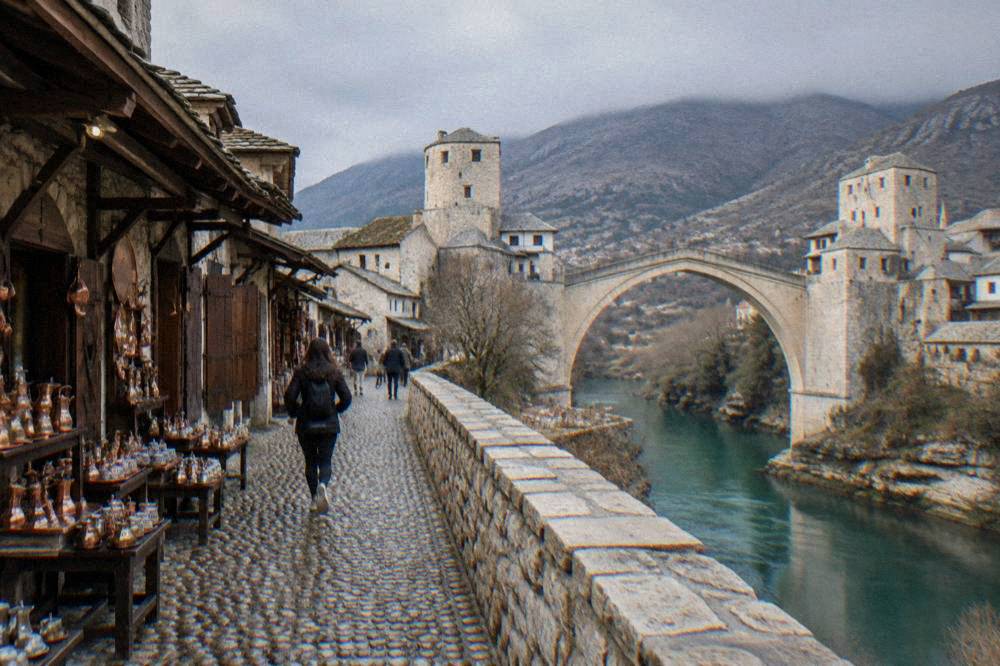
The Old Bridge, completed in 1566 under Suleiman the Magnificent and rebuilt after being destroyed on 9 November 1993, reopening in July 2004, is about 21 to 24 metres above the river depending on its level, with a span of about 29 metres. The Museum of the Old Bridge in the Tara tower sits at its foot. Being this close to everything means the house works as well as a first stop as it does as a rainy-afternoon one.
If you want the whole old core explained rather than found by accident, a guided walk is the efficient route. The Death of Yugoslavia walking tour covers the city's Ottoman streets and its wartime landmarks in one loop, and can be booked with free cancellation:
What Does The Reported Entry Fee Include, And When Is It Open?
Entry to Muslibegović House is reported at about 8 KM per adult, payable at the door, which buys access to the furnished museum rooms and the courtyard. Bosnia and Herzegovina uses the convertible mark (KM), pegged at 1 EUR = 1.95583 KM, not the euro, so expect to pay in marks or by card where offered. Opening hours are not published in a fixed form, so confirm on arrival or at your hotel before walking over.
The fee figure is a reported one rather than an official tariff, and small historic sites in Mostar adjust their hours by season and staffing, so the practical advice is simple: carry a little cash in KM and check locally the same day. If the house is being used for guests, some rooms may be closed at short notice, which is normal for a building that is also a working hotel.
For comparison, here is what entry costs at the other sites around the Old Town, all figures reported:
| Site | Reported entry | Notes |
|---|---|---|
| Muslibegović House | about 8 KM | Museum rooms and courtyard |
| Bišćević House | about 4 KM | Ottoman courtyard house on the Neretva |
| Koski Mehmed Pasha Mosque | about 10 KM | More with the minaret, reports vary |
| Old Bridge Museum | about 10 KM | Reported 08:00 to 16:00, April to November |
| Stari Most | free | Public bridge, open around the clock |
| Kujundžiluk bazaar | free | Public street |
A reported tourist tax of 3 KM per person per night applies in the canton from 1 January 2026; confirm the final amount at booking, since it is normally folded into accommodation bills rather than collected at museum doors.
What Can You See Inside Muslibegović House?
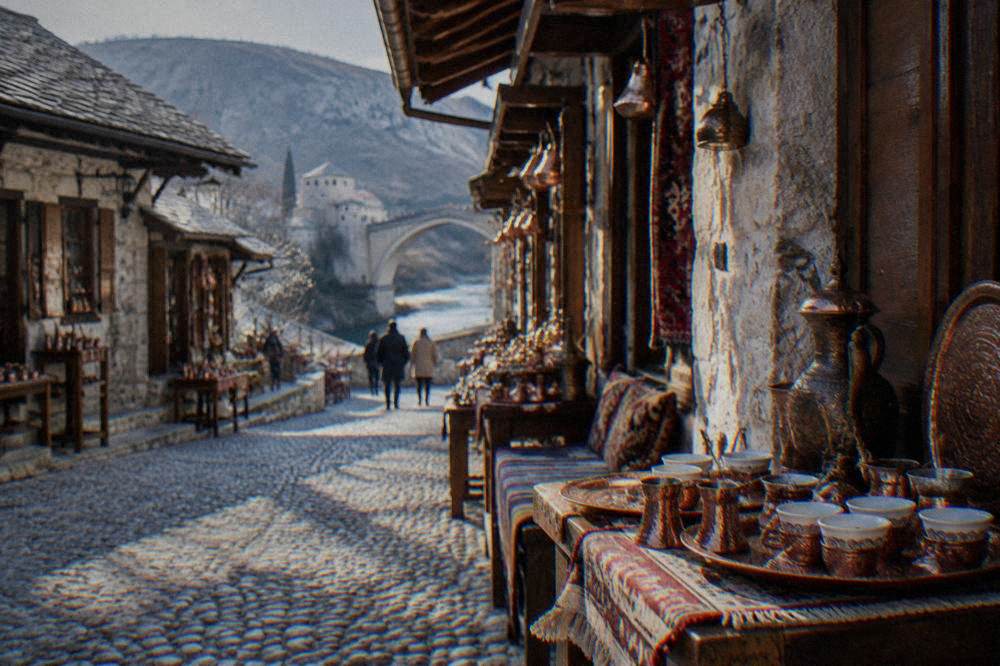
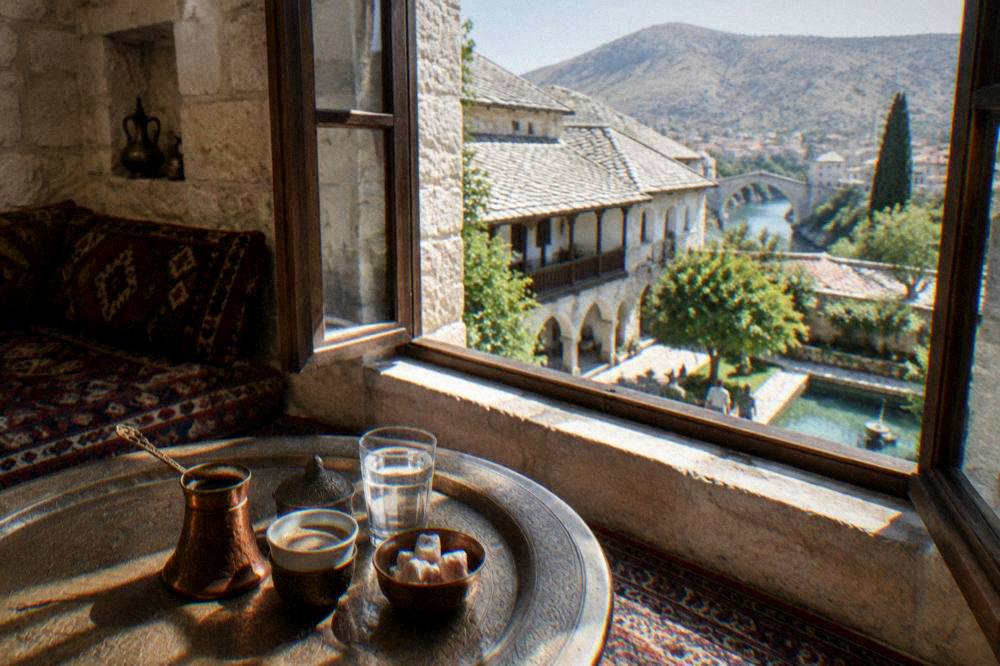
Inside Muslibegović House you walk through furnished Ottoman-period rooms: the divan-raised seating areas, carved wooden screens, low tables set for Bosnian coffee, copper and brass household ware, textiles, costumes, weapons and family portraits, all arranged to show how a wealthy Mostar household functioned between its public and private halves. The courtyard, stone stair and upper gallery are the architectural highlights, and the upper windows look over the river and the old town roofs.
The interiors reward slow looking. Ottoman houses were built around discretion: from the street nothing is visible, and inside, wooden lattice and mashrabiya screens let the family see out without being seen. The room divisions tell you who was received where, and the display of coffee equipment explains why Bosnian coffee culture carries so much social weight in the city. Visitors interested in that ritual can read more in the site's piece on Bosnian coffee and on Bosnian food more widely.
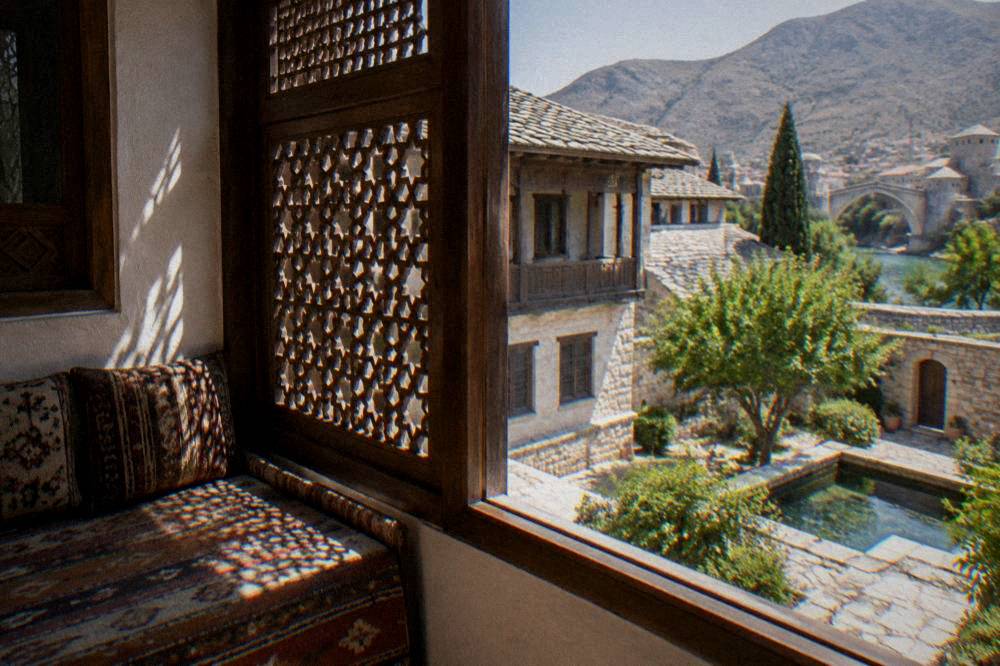
The stone-and-timber construction is the other thing to notice. Herzegovina's Ottoman builders used local limestone below and timber framing above, with wide eaves against the summer sun. The same grammar appears across the region, in Počitelj and in Blagaj, so the house doubles as a primer for everything you will see on day trips out of the city.
Photography is normally possible in the museum rooms, but as with any small family-run site, ask before setting up shots and respect closed doors. The building is historic: staircases are stone, thresholds high, and access is not step-free.
Muslibegović House Compared With Bišćević And Kajtaz House
Mostar's three showable Ottoman houses are Muslibegović House on the west bank near the bridge, Bišćević House on the Neretva's edge with its river-facing lounge, and Kajtaz House deeper in the old streets, a lived-in family house; Muslibegović is the one that combines museum rooms with hotel accommodation, Bišćević charges a reported 4 KM and is known for its riverside room, and Kajtaz has no published fee, so check at the door.
Each house answers a different question. Muslibegović shows a complete grand residence and lets you sleep in part of it. Bišćević, closest to the river, is celebrated for the room that opens directly over the water. Kajtaz remains a family home first, which means a visit feels closer to being a guest than a ticket-holder. All three are within an easy walk of each other and of the bridge.
| House | Position | Character | Reported entry |
|---|---|---|---|
| Muslibegović House | West bank, near Stari Most | Museum plus guest rooms | about 8 KM |
| Bišćević House | Neretva bank, Old Town | Riverside Ottoman lounge | about 4 KM |
| Kajtaz House | Old Town streets | Lived-in family house | none published |
Visiting more than one makes the differences legible rather than repetitive: after two of them you can read the third's plan at a glance. Combined with the mosques of the old core, the Karađoz Bey Mosque among them, the houses give a full picture of Ottoman Mostar in a single afternoon.
Can You Sleep At Muslibegović House?
Yes: Muslibegović House runs guest accommodation inside the historic building, so a visitor can stay overnight in a restored Ottoman residence minutes from Stari Most, with the museum rooms effectively in the same building. Rates vary by season and room, and this site quotes none; check current rates and room options directly at booking.
Staying in the Old Town has a practical rhythm. The bridge and the bazaar are at their quietest early and late in the day, and a room this close means you see them without the midday crowds. Evenings in the old streets run later than the museum hours, and the river a street away keeps the summer nights cooler than the asphalt of the wider city. For where to base yourself generally, see the site's where to stay in Mostar guide.
Two practical notes apply. First, the reported 3 KM per person per night tourist tax from 1 January 2026 is normally added to the bill at accommodation check-in, so confirm it at booking. Second, the building is centuries old: expect character over hotel-standard corridors, and pack lighter luggage for cobbles and stairs.
For travellers pairing a stay with a deeper read of the city, the war-history walks work well on a first evening or morning. The Death of Yugoslavia tour is this site's featured walk for the house:
Check availability
When To Visit Muslibegović House, And What The Mostar Climate Does
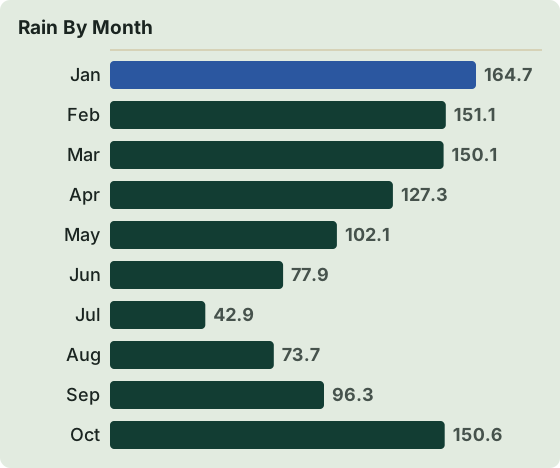
The comfortable months to visit Mostar and its houses run from April to June and from September to October, when the FHMZ 1961-1990 station data shows mean temperatures of 13.3 to 21.5 C in spring and 20.4 to 15.3 C in early autumn; July and August mean 24.7 and 24.2 C, and the ERA5 reanalysis, 1991-2020, models mean daily highs of 29.9 and 30.5 C, so the house's thick stone walls are a genuine refuge at midday in summer.
Mostar's rain falls mainly in the cold half of the year. The FHMZ table gives November 200.0 mm against July 42.9 mm, with 1,515.4 mm across the year, so summer visits are usually dry and winter visits often wet. An old stone house is one of the better rainy-day stops in the city, which is worth knowing for a shoulder-season trip; the site's Mostar in the rain guide lists the rest.
| Month | Mean temp C (FHMZ 1961-1990) | Rain mm (FHMZ 1961-1990) |
|---|---|---|
| Jan | 4.8 | 164.7 |
| Feb | 6.6 | 151.1 |
| Mar | 9.6 | 150.1 |
| Apr | 13.3 | 127.3 |
| May | 17.9 | 102.1 |
| Jun | 21.5 | 77.9 |
| Jul | 24.7 | 42.9 |
| Aug | 24.2 | 73.7 |
| Sep | 20.4 | 96.3 |
| Oct | 15.3 | 150.6 |
| Nov | 10.1 | 200.0 |
| Dec | 6.2 | 178.7 |
If August is your window, plan the house and the museums for the middle of the day and the bridge viewpoints for early morning and evening; the site's Mostar in summer guide covers the rest of that strategy. Winter brings its own character: few crowds, low light on the limestone, and the Mostar in winter guide explains what stays open.
Muslibegović House As A Starting Point For Herzegovina Day Trips
From Muslibegović House, the classic Herzegovina loop is a day trip by road: Blagaj Tekke is 13.7 km and about 19 minutes from Stari Most, Počitelj 30.0 km and about 31 minutes, and Kravica waterfall 55.2 km and about 54 minutes free-flow, all computed without border queues, which makes a combined Blagaj, Počitelj and Kravica circuit the standard full-day outing.
The heritage day tours from the city run exactly this loop, with a guide handling the driving and the stops.
| Destination | Road km from Stari Most | About minutes, free-flow |
|---|---|---|
| Blagaj Tekke | 13.7 | 19 |
| Međugorje (St James church) | 28.3 | 40 |
| Počitelj | 30.0 | 31 |
| Radimlja necropolis | 33.5 | 42 |
| Jablanica | 47.4 | 57 |
| Kravica waterfall | 55.2 | 54 |
| Konjic | 69.0 | 80 |
| Trebinje | 116.5 | 142 |
| Sarajevo (Baščaršija) | 127.1 | 134 |
| Dubrovnik (Stradun) | 145.5 | 150 |
Blagaj's tekke at the Buna spring carries a reported 10 KM entry with a shoulders-and-knees dress code, wraps provided; Počitelj's village is free to wander; Kravica waterfall charges 20 KM for an adult all year, children under 7 free, and opens 07:00 to 22:00 from June to September and shorter hours by month otherwise. Swimming in the pool below the falls is allowed in summer in the designated area, with no lifeguard reported, so check the park's rules on arrival. The site's Kravica waterfalls and Blagaj guides carry the full detail.
For travellers staying in Sarajevo rather than Mostar, the same Herzegovina sweep exists as a long day from the capital, taking in Konjic and the Skywalk above the Buna:
Driving yourself, carry documents for any cross-border plan: Bosnia and Herzegovina is not in the EU or Schengen, and the Croatian land border has carried full checks since 1 January 2023, with reported waits of up to about 30 minutes, longer at summer peaks. The site's Croatia-Bosnia border crossing guide covers the crossings near Mostar.
Common Questions About Muslibegović House
How much does Muslibegović House cost to visit?
Entry is reported at about 8 KM per adult, paid at the door. Bosnia and Herzegovina's currency is the convertible mark, pegged at 1 EUR = 1.95583 KM. Confirm the current fee on arrival, as with all small historic sites in Mostar.
Where is Muslibegović House in Mostar?
It stands on the west bank of the Neretva in the Old Town, a few minutes on foot from Stari Most and the Kujundžiluk bazaar. Everything in the historic core is walkable from the door.
Can you stay overnight at Muslibegović House?
Yes. Part of the building operates as guest accommodation inside the restored Ottoman residence, alongside the museum rooms. Check current rates and availability at booking; this site prints no room rates.
Which is better, Muslibegović House or Bišćević House?
They serve different moods: Muslibegović is the grander complete residence and the one you can sleep in, with a reported 8 KM entry, while Bišćević, at a reported 4 KM, is known for the room opening over the river. Both are within a short walk of each other and of Stari Most, so visiting both is easy.
What are the opening hours of Muslibegović House?
No fixed published hours are on file. Hours at small historic houses in Mostar shift with season and staffing, so confirm the same day locally or at your accommodation before walking over.
Is Muslibegović House inside the UNESCO area of Mostar?
It sits in the Old Town within the Old Bridge Area of the Old City of Mostar, the UNESCO World Heritage property inscribed in 2005, whose protected core covers the bridge and its historic surroundings.
Muslibegović House is the rare Ottoman residence that lets a visitor see the whole domestic world of old Mostar and then sleep in part of it, all within a few minutes' walk of the Old Bridge, the bazaar and the mosques of the old core. Pair a morning inside the house with an afternoon walk of the wartime landmarks, or a full day out to Blagaj, Počitelj and Kravica waterfall, and the city shows both faces in a single stay.