Three Days In Mostar And Herzegovina
Three days is enough to see Mostar's UNESCO-listed Old Town properly and to reach Blagaj, Počitelj and Kravica waterfall, with a third day left for Konjic, Jablanica or Trebinje.
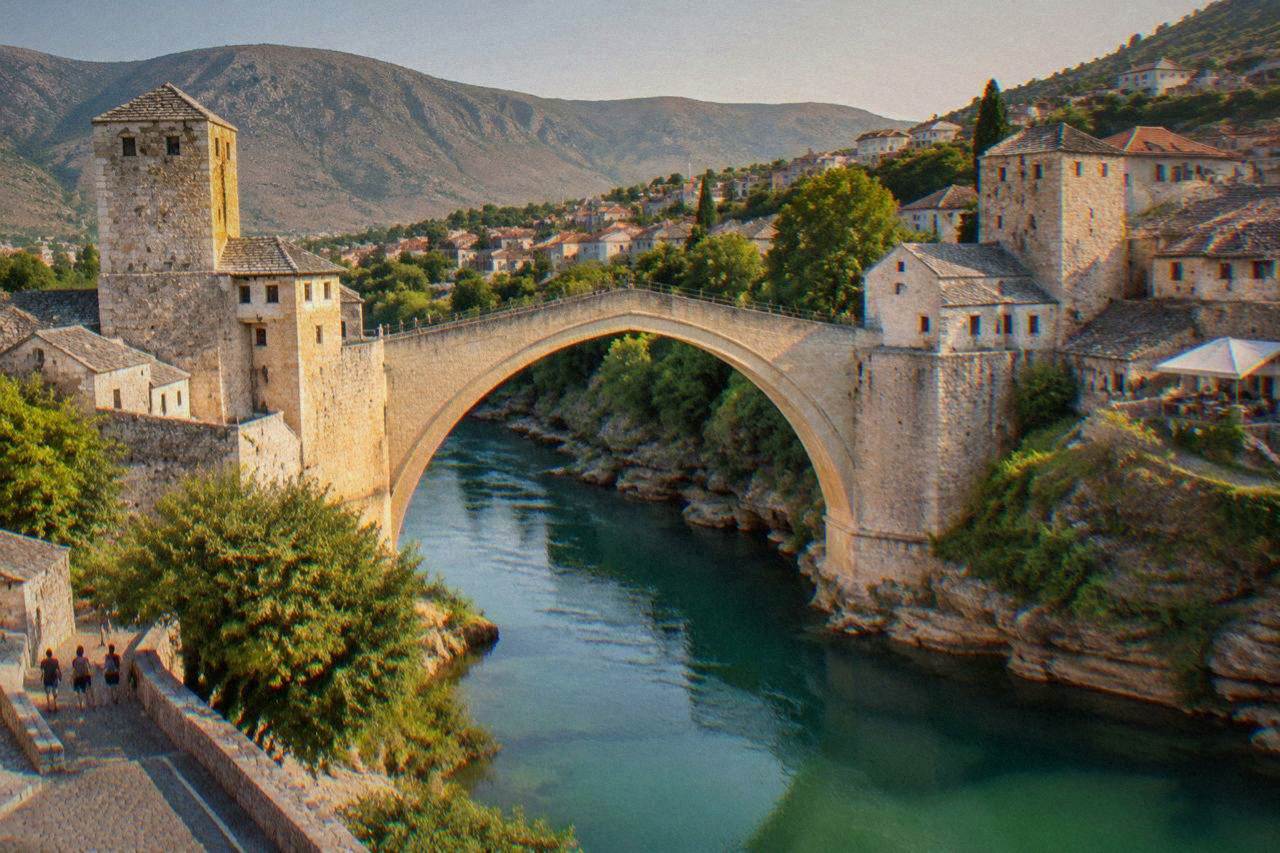
Three days in Mostar covers the Old Bridge Area of the Old City, a full Herzegovina day trip to Blagaj, Počitelj and Kravica waterfall, and a third day north to Konjic and Jablanica or east to Trebinje, all inside a 120 km radius of the city.
Mostar, the main city of Herzegovina on the Neretva river, rewards exactly the kind of trip that three days allows: one day inside the UNESCO-listed Old Bridge Area of the Old City, one day out among the springs, fortresses and waterfalls of Herzegovina, and one day further afield toward Konjic, Jablanica or Trebinje. The Old Bridge Area of the Old City of Mostar was inscribed on the World Heritage list in 2005, and the city sits within an hour's drive of Blagaj, Počitelj, Međugorje and Stolac, which is why a two-night stay stretches so far. This plan lays out each day, the entry fees, the road distances, and the choices that shape day three.
Is Three Days In Mostar The Right Amount Of Time?
Three days is the sweet spot for Mostar: one day for the Old Bridge, the Kujundžiluk bazaar and the museums around them, a second day for the classic Herzegovina circuit of Blagaj, Počitelj and Kravica waterfall, and a third day for a longer run to Konjic, Jablanica or Trebinje, all reachable on computed road times of between 20 minutes and about two and a half hours from Stari Most. Two days forces a choice between the city and the countryside; four starts to reach Sarajevo, 127.1 km and about 134 minutes away by road.
The logic of the split is simple. The Old Town itself is compact and walkable: Stari Most, the Kujundžiluk bazaar, the Crooked Bridge and the Ottoman houses sit within a few minutes' stroll of one another. What is not walkable is Herzegovina, and Herzegovina is half of what a trip here is about. Blagaj Tekke is 13.7 km and about 19 minutes from Stari Most, Počitelj 30.0 km and about 31 minutes, Kravica waterfall 55.2 km and about 54 minutes in free-flow traffic.
If you are still weighing the length of the stay, the how many days in Mostar is enough question is covered on its own page, and the two days in Mostar plan shows what gets cut when a day is dropped. The one-day version is essentially day one of this itinerary plus a rushed dash to one sight outside town.
A three-day overview:
| Day | Base | Theme | Furthest point from Stari Most |
|---|---|---|---|
| Day one | Mostar Old Town | Old Bridge, bazaar, mosques, Ottoman houses, museums | All within the Old Town |
| Day two | Herzegovina circuit | Blagaj Tekke, Počitelj, Kravica waterfall | Kravica waterfall, 55.2 km, about 54 min |
| Day three | North or east | Konjic and Jablanica, or Trebinje | Trebinje 116.5 km, about 142 min |
Day One In Mostar: The Old Bridge And The Old Town
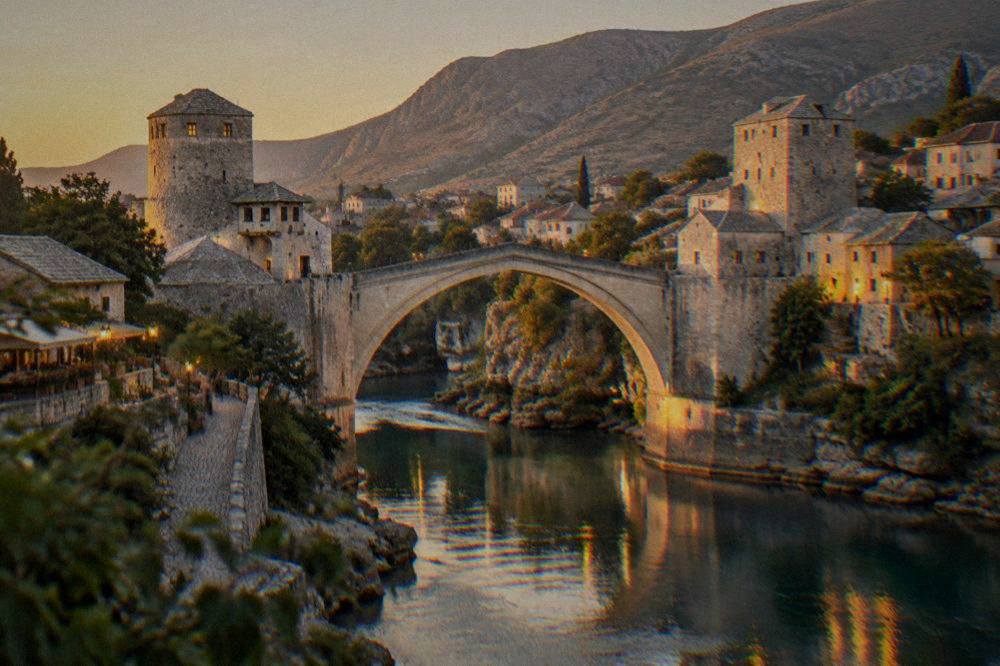
Day one belongs entirely to the Old Bridge Area of the Old City, a UNESCO World Heritage property since 2005: cross Stari Most, completed in 1566 and rebuilt and reopened in July 2004 after its destruction on 9 November 1993, walk the Kujundžiluk bazaar, climb the minaret of Koski Mehmed-pašina džamija for the river view, and finish among the Ottoman houses on the west bank. Crossing the bridge itself is free and open around the clock, as it is a public pedestrian route.
Start early, because the bridge and the bazaar are public space and at their calmest in the morning. The stone arch spans the Neretva about 21 to 24 metres above the water depending on the river level, and its colour comes from local tenelija limestone. The name of the city itself comes from the bridge keepers, "mostari", who guarded the earlier wooden crossing here; the name Mostar is first recorded in 1474.
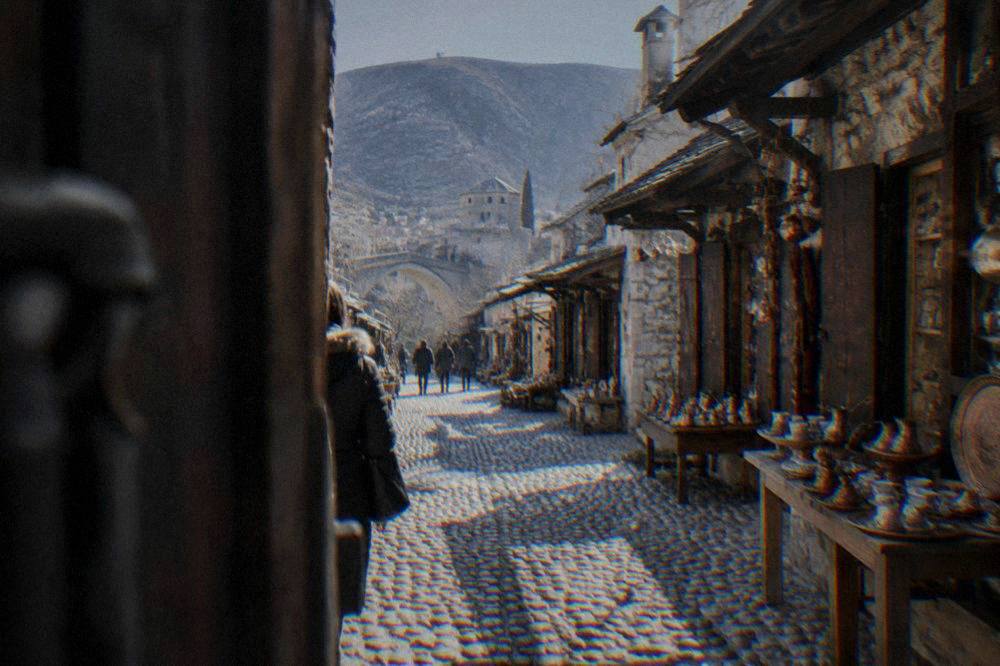
From the bridge, loop down into Kujundžiluk, the coppersmiths' bazaar that runs along the east bank. The Crooked Bridge, a small single-arch span over a side channel, is a short walk north and is free to see. Koski Mehmed-pašina džamija sits below the bridge on the east bank; the mosque charges a small cash fee, with a higher combined ticket reported for the mosque and minaret together, so confirm the current figure at the entrance. For the bridge's own story, the Museum of the Old Bridge occupies the Tara tower at the bridge's abutment.
In the afternoon, cross to the west bank for the Ottoman courtyard houses. Bišćević House charges about 4 KM reported, Muslibegović House about 8 KM reported; both figures come from listings rather than official pages, so treat them as approximate and confirm on arrival. If the sky turns grey, the Mostar in the rain plan swaps the open-air sights for interiors without wasting the day.
Fees that are on file for day one:
| Sight | Entry | Notes |
|---|---|---|
| Stari Most | Free | Public pedestrian route, open around the clock |
| Kujundžiluk bazaar and Kriva ćuprija | Free | Public streets |
| Old Bridge Museum (Tara tower) | 10 KM reported | 08:00 to 16:00 daily, 1 April to 1 November, reported |
| Koski Mehmed-pašina džamija | Small cash fee reported | More reported for mosque plus minaret |
| Bišćević House | About 4 KM reported | Confirm on arrival |
| Muslibegović House | About 8 KM reported | Confirm on arrival |
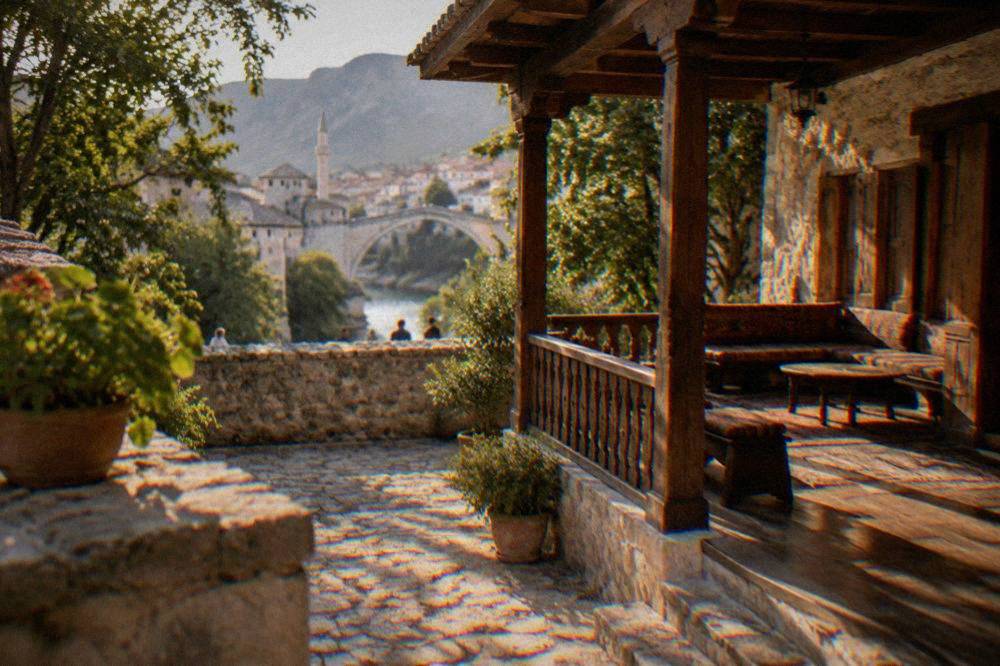
One day-one note on the bridge divers: jumps are performed by members of the Mostari diving club, who train for years before diving from the bridge, and there is no pay-to-jump option for visitors. The 460th traditional competition ran on 26 July 2026, and the Red Bull Cliff Diving round followed from 30 July to 1 August 2026, with platforms at 21 m for women and 27 m for men. If your three days fall in late July, check the event calendar before you go.
Day Two From Mostar: Blagaj, Počitelj And Kravica Waterfall
Day two is the Herzegovina circuit: Blagaj Tekke at the Buna spring, 13.7 km and about 19 minutes from Stari Most, the fortified village of Počitelj at 30.0 km and about 31 minutes, and Kravica waterfall at 55.2 km and about 54 minutes in free-flow traffic, with entry to Kravica at 20 KM for an adult all year and the park open every month of the year. Run the loop in that order and the waterfall arrives at the time of day you most want to swim.
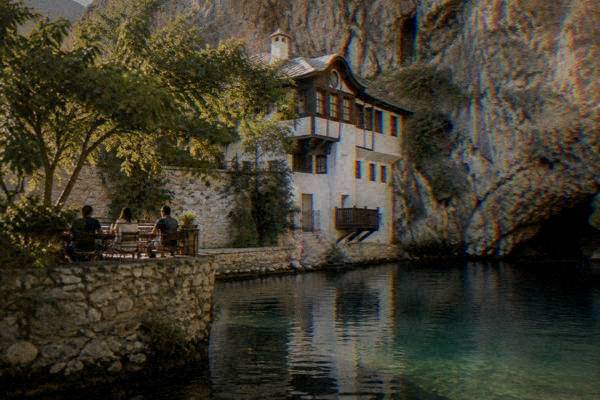
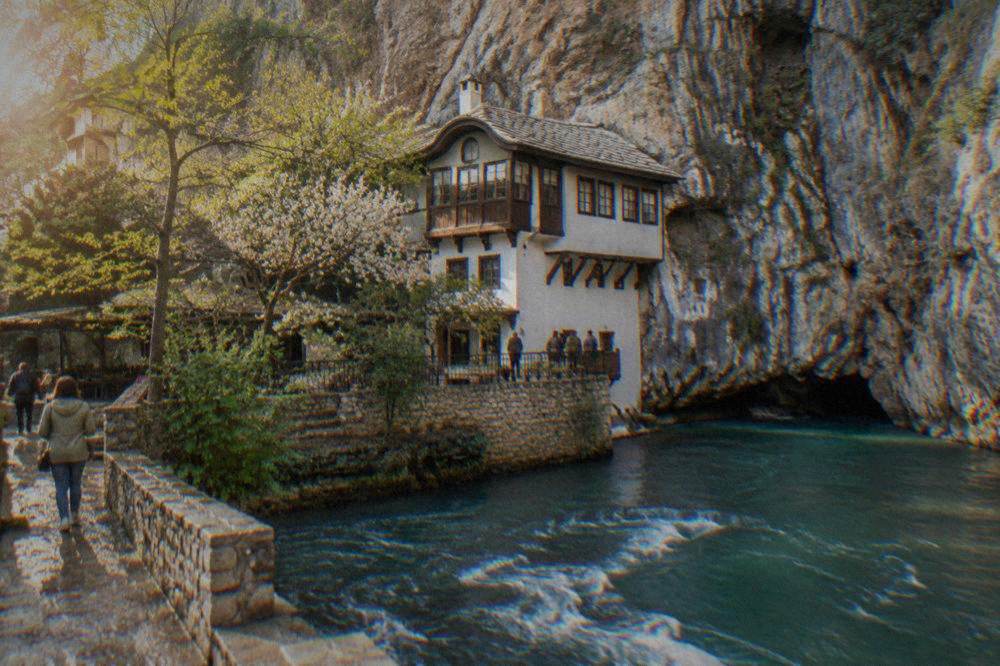
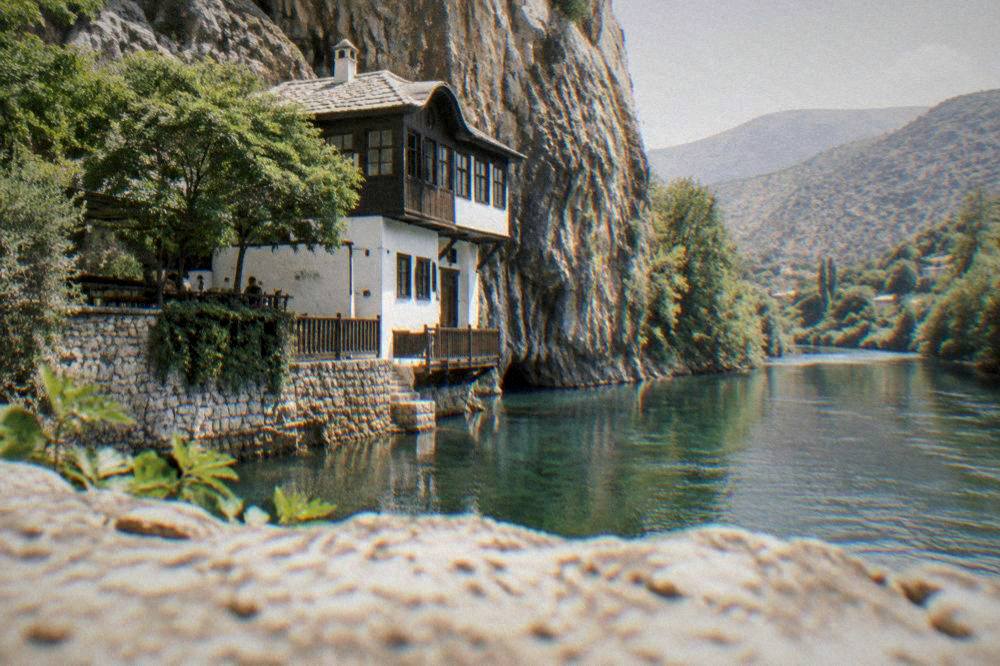
Blagaj first. The tekke, a dervish lodge built into the cliff at the Buna spring, charges a reported 10 KM entry, open 08:00 to 22:00 from April to October and 09:00 to 17:00 from November to March; shoulders and knees should be covered, and wraps are provided at the entrance. The Buna itself emerges from the cliff face as a full-grown river, and the ruins of Stjepan-grad fortress sit above the village, 13.9 km and about 20 minutes from Stari Most, for anyone with an extra hour and strong legs.
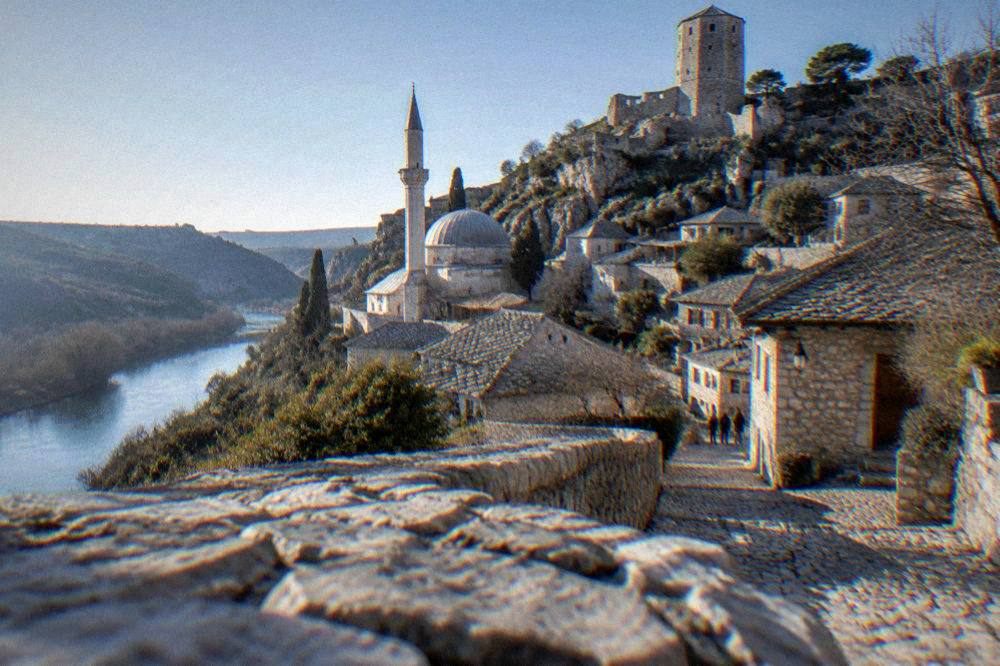
Počitelj second. The walled village climbs a hillside above the Neretva, its stone tower looking down over the river road. The village itself is free to wander, with only small optional fees reported at individual buildings. An hour here is enough to climb the tower, see the mosque and photograph the valley.
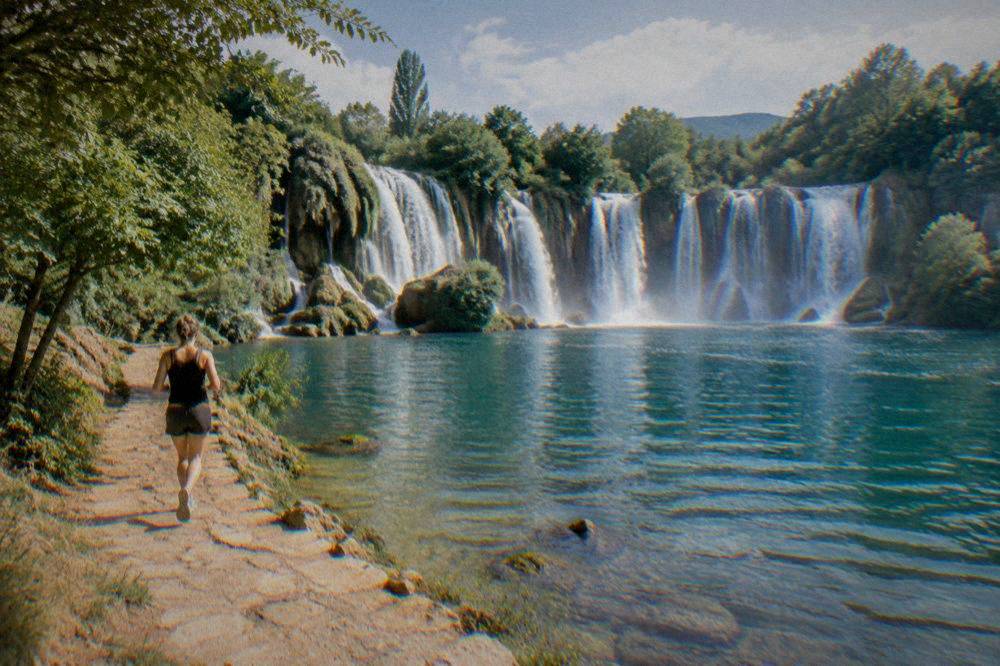
Kravica third. The waterfall park's own visitor page lists entry at 20 KM for an adult all year, with 10 KM for residents of Bosnia and Herzegovina, 10 KM for school groups aged 7 to 18, and free entry for children under 7. The hours change by month: 07:00 to 17:00 in January, February, November and December, 07:00 to 18:00 in March and April, 07:00 to 20:00 in May, 07:00 to 22:00 from June to September, and 07:00 to 19:00 in October. Swimming is allowed in summer in the designated pool area below the falls, with no lifeguard reported, so check the park's rules on arrival.
| Kravica waterfall period | Opening hours |
|---|---|
| January, February | 07:00 to 17:00 |
| March, April | 07:00 to 18:00 |
| May | 07:00 to 20:00 |
| June to September | 07:00 to 22:00 |
| October | 07:00 to 19:00 |
| November, December | 07:00 to 17:00 |
Driving the loop yourself is one option, and the Herzegovina road trip guide covers the longer version of the same roads. If you would rather not drive, the Kravice, Blagaj and Počitelj in one day page compares the organised options, and several small-group tours run the identical circuit from Mostar. One of them, covering Kravica waterfall, Blagaj, Fortica and Počitelj, is the site's featured pick for this itinerary: Check availability.
Day Three From Mostar: Konjic, Jablanica Or Trebinje?
Day three has three honest options: north to Jablanica, 47.4 km and about 57 minutes, and Konjic, 69.0 km and about 80 minutes, for the bridge over the Neretva and the ARK D-0 bunker; east to Trebinje, 116.5 km and about 142 minutes, for a walled old town among vineyards; or a slower final day inside Mostar taking in the Partisan Memorial Cemetery, the Museum of Herzegovina and the viewpoints on Hum. The choice turns on whether you want a long drive on your last day.
The northern run packs the most in. Jablanica holds the ruins of the bridge on the Neretva, destroyed in the war and left as it fell, plus the Museum Battle for the Wounded on the Neretva, whose official page prints two different price lists, so expect a fee of a few KM and pay it at the desk. Konjic, further on, is the gateway to ARK D-0, the Cold War-era bunker built for Josip Broz Tito: entry is reported at 40 KM for foreign visitors and 20 KM for citizens of Bosnia and Herzegovina, tours are guided only, booking is required, and the site closes on Mondays.
The eastern run to Trebinje is the longest: nearly two and a half hours each way in free-flow traffic. In exchange you get an old town of a completely different character, river swimming, monastery visits and a Herzegovina that feels closer to Montenegro than to the Neretva valley.
The third option keeps day three on foot in Mostar. The Partisan Memorial Cemetery, designed by Bogdan Bogdanović and inaugurated in 1965, is unstaffed and unticketed; Europa Nostra listed it among Europe's most endangered heritage sites after over 700 of its stone markers were destroyed in 2022, and a 2026 report called for urgent revitalisation. Combine it with the streets of west Mostar and a climb toward the viewpoints rather than rushing out of the city on your final morning.
| Day-three destination | Road km from Stari Most | Free-flow minutes | Entry on file |
|---|---|---|---|
| Blagaj Tekke (alternative short day) | 13.7 | 19 | 10 KM reported |
| Jablanica, bridge and museum | 47.4 | 57 | A few KM at the museum desk |
| Konjic and ARK D-0 | 69.0 | 80 | 40 KM reported foreign visitors, booking required |
| Trebinje | 116.5 | 142 | Old town free |
| Sarajevo (Baščaršija), if extending | 127.1 | 134 | Train about 2 h, two a day each way |
A note for anyone planning the Sarajevo extension by rail: passenger trains between Sarajevo and Čapljina via Mostar run twice a day in each direction, and regular service resumed on 15 October 2026 after a suspension that had begun in early September following a fire along the corridor. Check the timetable before relying on a specific departure.
Where Should You Stay For Three Days In Mostar?
Stay all three nights in Mostar itself and make the city a fixed base: every destination in this itinerary sits within 142 minutes by road of Stari Most, so a single hotel or guesthouse covers the whole plan, and moving accommodation wastes a morning you will want. The Old Town puts the bridge at your door, the Bulevar side puts you near the stations, and the west bank puts the Ottoman houses within an evening stroll.
Three nights in one bed also keeps the tourist tax simple. A levy reported at 3 KM per person per night applies in the Herzegovina-Neretva Canton from 1 January 2026; it is collected through accommodation, not at a border, and the figure should be confirmed at booking.
If day two and day three both run out of the city, an organised day tour removes the parking question entirely. Two further options beyond the featured pick:
That particular trip departs from Dubrovnik, which makes it relevant if your three days in Mostar tag onto time on the Croatian coast, a pattern the Mostar day trip from Dubrovnik page covers from the other direction. The same applies to visitors starting in Split, whose planning is laid out under Mostar day trip from Split.
What Does Three Days In Mostar Cost?
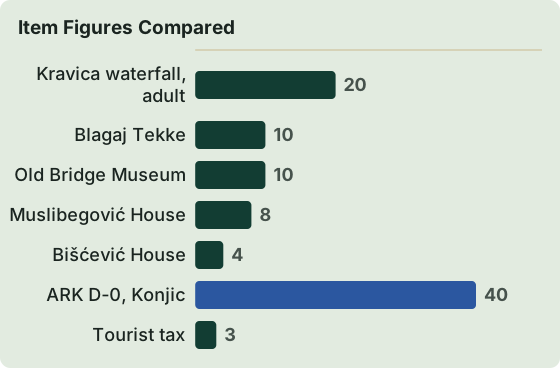
Budget around 20 KM per adult for Kravica waterfall, roughly 10 KM reported each for the Blagaj Tekke, the Old Bridge Museum and the major Ottoman houses, small cash fees at the mosque, and food and lodging priced in convertible marks, the local currency, which is pegged at 1 EUR = 1.95583 KM; entry to Stari Most, Kujundžiluk, Počitelj and the Partisan Memorial Cemetery costs nothing. Bosnia and Herzegovina is not in the eurozone and does not use the euro.
The currency point matters more than visitors expect. Prices are set in KM, euro cash is often accepted in tourist areas at a rounded rate of about 2 KM to 1 EUR, and that rounding usually favours the seller, so paying in marks is the better default. Cards work at hotels and larger restaurants, while small vendors, some museum desks and the bazaar stalls want cash. The full picture is on the Mostar Travel Guide money and budgeting pages, including where the free things to do in Mostar cluster: the bridge, the bazaar, the Crooked Bridge and the cemetery all sit in it.
| Item | Figure on file | Tier |
|---|---|---|
| Kravica waterfall, adult | 20 KM all year | Park's visitor page |
| Kravica, children under 7 | Free | Park's visitor page |
| Blagaj Tekke | 10 KM reported | Listing, confirm on arrival |
| Old Bridge Museum | 10 KM reported | Listing, 1 April to 1 November |
| Muslibegović House | About 8 KM reported | Listing |
| Bišćević House | About 4 KM reported | Listing |
| ARK D-0, Konjic | 40 KM reported, foreign visitors | Booking required, closed Monday |
| Tourist tax | 3 KM per person per night reported | Canton levy from 1 January 2026, confirm at booking |
| Stari Most, Kujundžiluk, Počitelj, Partisan cemetery | Free | Public space |
A figure not on this table is not yours to plan on: restaurant meals, taxis, parking and hotel rates are all things to price on the ground or at booking. The Mostar budget guide holds the fuller breakdown where figures exist.
What Is The Weather Like Across Three Days In Mostar?
Mostar is one of the warmer cities in the region: the FHMZ station table for 1961 to 1990 gives a July mean of 24.7 C against a January mean of 4.8 C, the ERA5 reanalysis for 1991 to 2020 puts modelled mean daily highs at 30.5 C in August, and rainfall peaks in November at 200.0 mm against 42.9 mm in July, so pack for heat in summer and for wet roads in late autumn. Three days in July will feel very different from three days in November.
| Month | Mean temp C, FHMZ 1961-1990 | Modelled daily high C, ERA5 1991-2020 | Rain mm, FHMZ 1961-1990 |
|---|---|---|---|
| January | 4.8 | 8.4 | 164.7 |
| April | 13.3 | 17.7 | 127.3 |
| July | 24.7 | 29.9 | 42.9 |
| August | 24.2 | 30.5 | 73.7 |
| October | 15.3 | 19.5 | 150.6 |
| November | 10.1 | 14.1 | 200.0 |
The Neretva itself is cold even in August, fed by karst springs, which is exactly why the Kravica pool is the swim of the day rather than the river. If your three days land in the wet months, the Mostar in the rain sequence reorders this itinerary around interiors, and the best time to visit Mostar page weighs the seasons in full.
One safety note that belongs on any Herzegovina itinerary: stay on marked paths in rural areas, because parts of the countryside remain suspected mine areas, and the national authority BHMAC maintains the relevant mapping. The emergency number is 112.
How Do You Get To Mostar For A Three-Day Trip?
Visitors arrive via Sarajevo or Dubrovnik airports: Sarajevo's airport is 120.4 km and about 125 minutes from Stari Most, Dubrovnik's is 163.4 km and about 172 minutes in free-flow traffic before border queues, while Mostar's own airport sits just 8.2 km and 12 minutes from the bridge with a small route list of Zagreb and Stuttgart flights. The train from Sarajevo takes about two hours and runs twice a day in each direction.
The border point deserves a line of its own. Bosnia and Herzegovina is not in the EU and not in Schengen, so the crossing from Croatia is an external Schengen border with full checks; waits run up to about 30 minutes and stretch longer at summer peaks. Visa-exempt visitors may stay up to 90 days over a six-month period from first entry. Full crossing mechanics, including the crossings nearest Mostar, are on the Croatia Bosnia border crossing page, and arrival routes are broken down in how to get to Mostar.
If day three of the plan tempts you to rearrange the whole trip, the one day in Mostar and Bosnia and Herzegovina itinerary pages show how a three-day Mostar stay plugs into a longer route, and the Balkans itinerary extends the same logic across the region.
For travellers stringing Mostar onto a stay in the capital, a Sarajevo departure covers the same five stops in the other direction.
Common Questions About Three Days In Mostar
Is three days in Mostar enough?
Yes. Three days covers the UNESCO-listed Old Town, the classic Blagaj, Počitelj and Kravica waterfall circuit, and one longer day trip to Konjic, Jablanica or Trebinje, with every destination within 142 minutes by road of Stari Most.
Can you do Kravica waterfall, Blagaj and Počitelj in one day from Mostar?
Yes, it is a standard day trip: the three sit 13.7, 30.0 and 55.2 km from Stari Most, and both self-drive loops and organised small-group tours cover all three in a single day.
Do you need a car for three days in Mostar?
Not necessarily. Day one is entirely walkable, and day two's circuit is widely sold as an organised tour from Mostar. A car helps most on day three, when the longer runs to Konjic or Trebinje have thinner public transport.
What is the best month for a three-day Mostar trip?
The FHMZ 1961 to 1990 table shows July and August as the warm and dry months, with July rainfall of 42.9 mm, while November averages 200.0 mm of rain. Late spring and early autumn balance warmth against the November rainfall peak; the choice depends on whether heat or rain bothers you more.
Is the Old Bridge free to visit?
Yes. Stari Most is a public pedestrian route, free to cross and open around the clock. The Old Bridge Museum in the Tara tower charges a reported 10 KM.
Should day three be Trebinje or Konjic?
Konjic and Jablanica sit closer, 69.0 and 47.4 km from Stari Most, and pair a museum with the ARK D-0 bunker, which needs advance booking and closes on Mondays. Trebinje, at 116.5 km and about 142 minutes, is the longer, more scenic commitment.