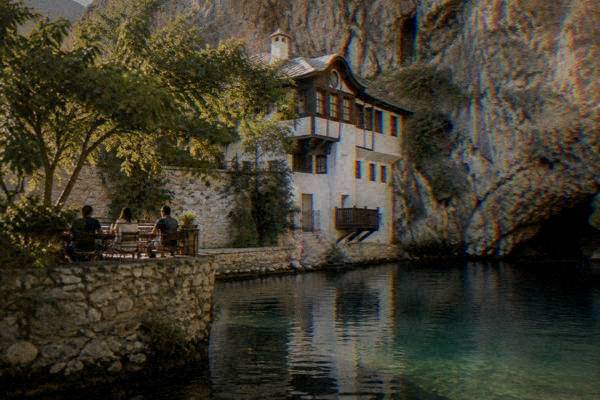
Rama Lake And The Franciscan Monastery At Šćit
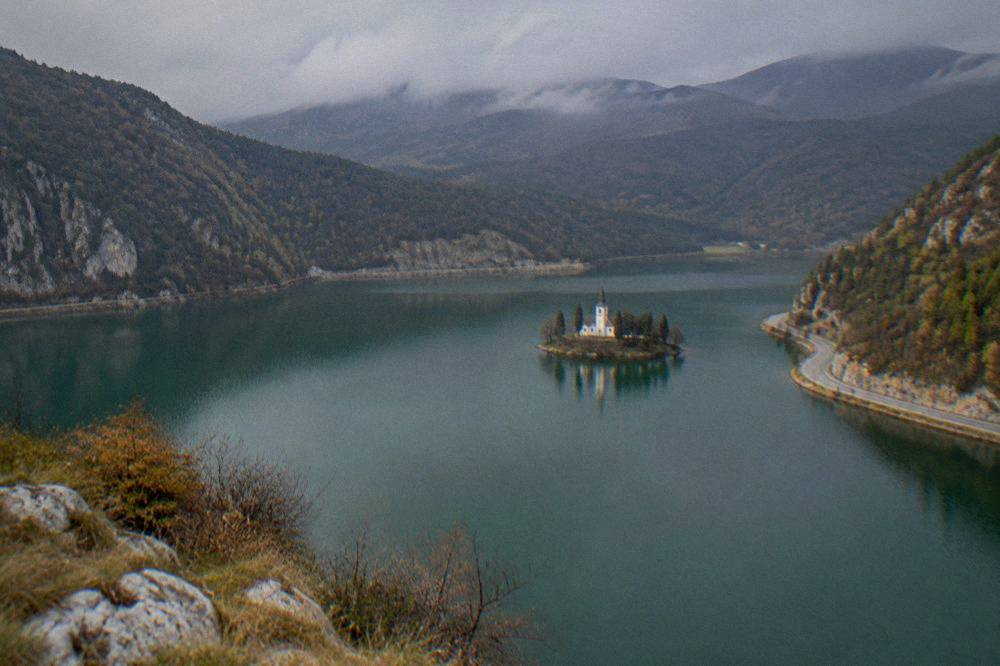
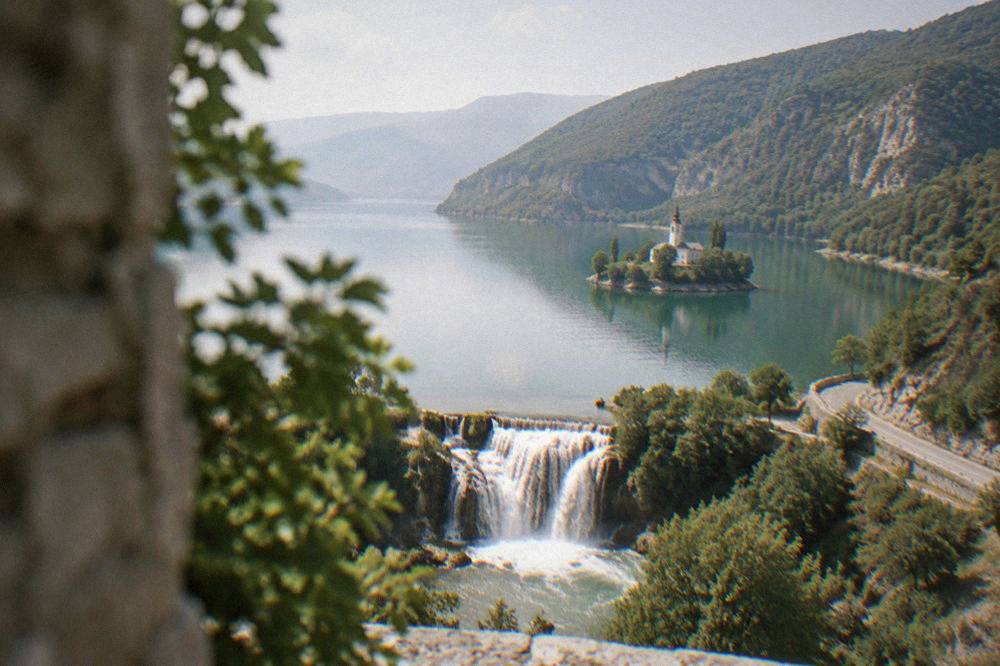
Rama Lake is one of Herzegovina's quietest water landscapes, a reservoir ringed by hills above the town of Prozor-Rama, crowned by the Franciscan monastery at Šćit on a narrow peninsula. From Mostar it is a full day in the car through the upper Neretva valley, best combined with Jablanica or Boračko jezero.
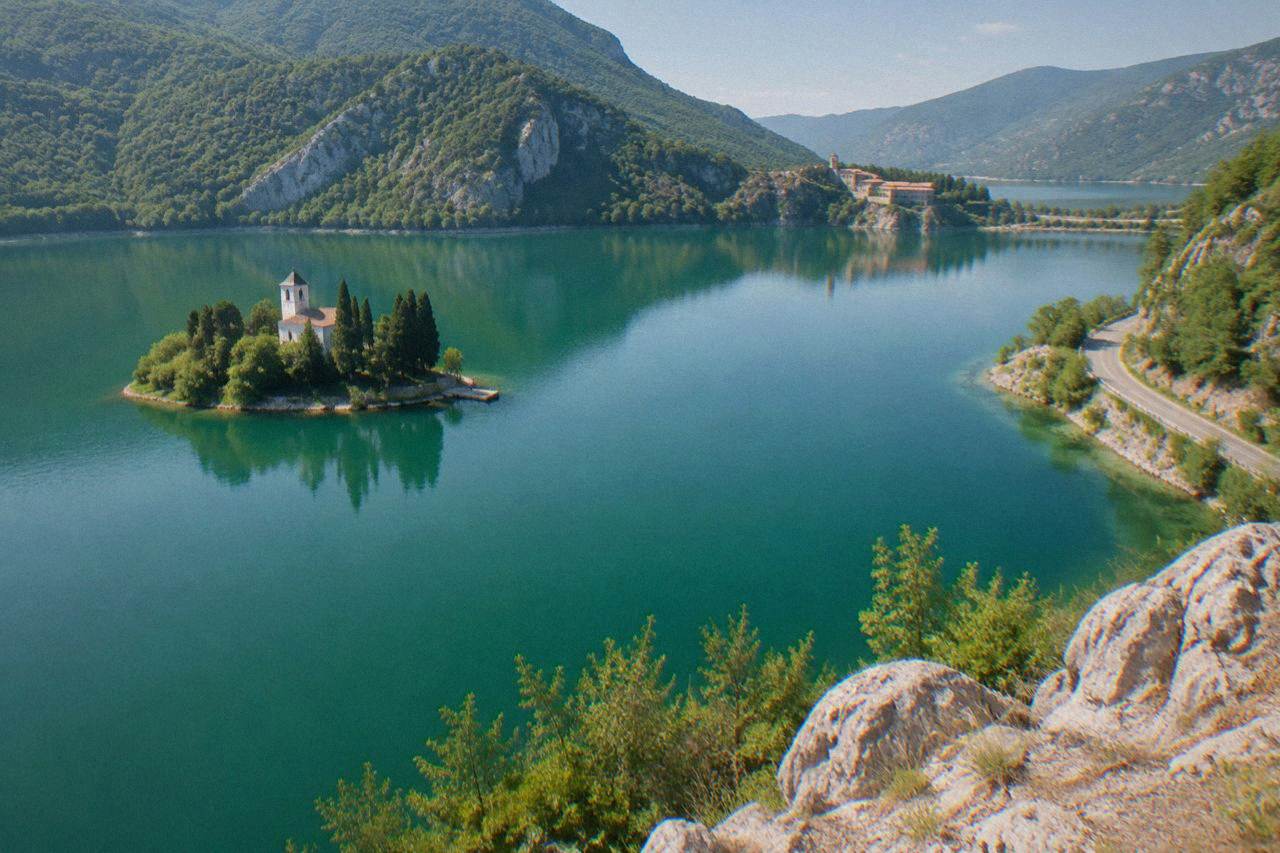
Rama Lake lies near Prozor-Rama in northern Herzegovina, reachable from Mostar as a full-day loop through the Neretva valley, often combined with Jablanica and Boračko jezero. The monastery at Šćit sits on a peninsula between the lake's two arms; entry is free, drives are the practical way in, and the whole route stays inland, so pack for hills, not coast.
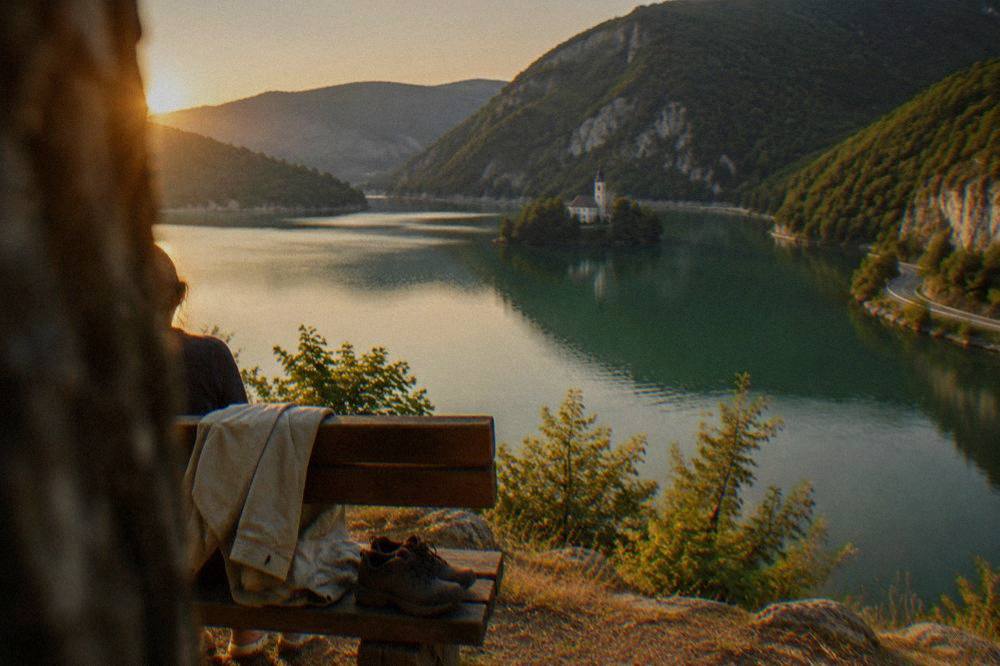
Rama Lake sits in the hills above the town of Prozor-Rama in northern Herzegovina, a long way from the sea and an easy conceptual jump from Mostar, the inland city on the Neretva that anchors every trip through this region. The lake is actually a reservoir, formed by damming the Rama river, and its shoreline folds into wooded hills with the Franciscan monastery at Šćit standing on a narrow peninsula between its two arms. This guide from Mostar Travel Guide covers how the day works from Mostar, what the monastery is, what to combine on the road north, and what the quiet catches are, from seasonal mountain roads to cash-only monastery shops.
Where Is Rama Lake Relative To Mostar?
Rama Lake lies in the upper Herzegovina highlands near the town of Prozor-Rama, north of the Neretva valley towns of Jablanica and Konjic, and it is a full-day round trip by road from Mostar rather than a quick hop. Konjic sits further north at 69.0 km and about 80 minutes from Stari Most. Nothing about the route touches the coast: Herzegovina here is karst hills, river canyons and plateau country.**
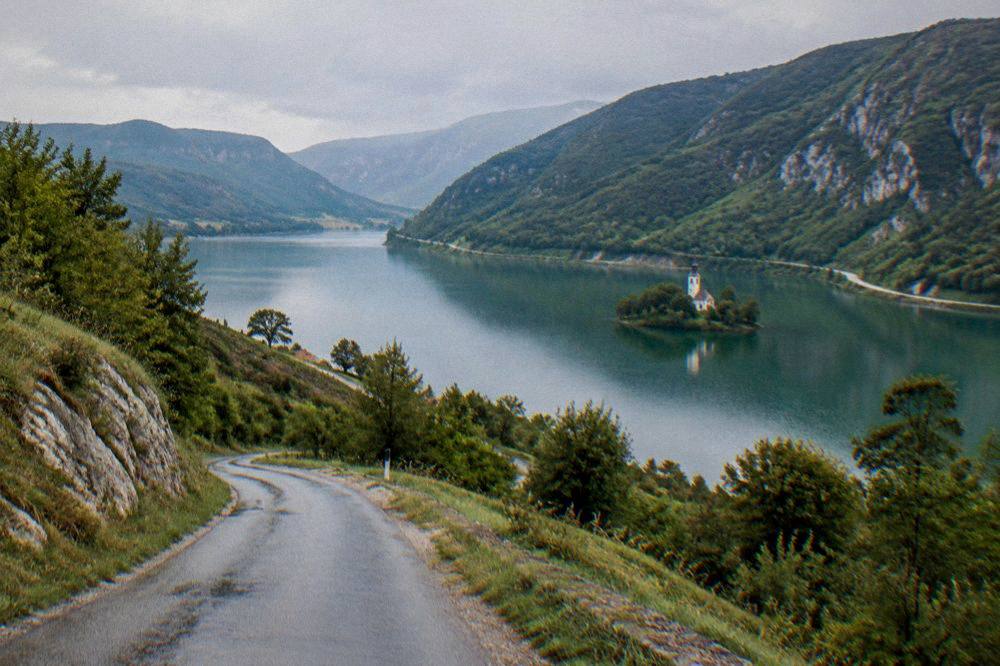
The practical shape of the day matters more than the pin on the map. Mostar sits at the bottom of the valley; Rama Lake sits well above it in the hills, so you climb out of hot July valley air into noticeably cooler upland air on the same afternoon. The road from the valley to the lake is a mountain road in the ordinary Balkan sense: narrow in places, winding, and worth driving in daylight.
That geography is also why the lake pairs so naturally with other northern stops. Jablanica, with its ruined bridge on the Neretva and its small museum, sits right on the way, and Boračko jezero, the mountain lake near Konjic, is a natural second lake on a long loop. Blidinje nature park pushes the same day further than is comfortable, so treat it as a rival option rather than an add-on.
The train line deserves a word even though it does not serve Rama Lake itself. Its stations at Jablanica and Konjic give car-free travellers a way into the northern valley, from where local buses and taxis cover the remaining climb; the ZFBH timetable shows two trains a day each way between Sarajevo and Čapljina via Mostar, and the service resumed on 15 October 2026 after a suspension that began on 8 September 2026 following a fire along the corridor.
| Stop on the northern loop | Road distance from Stari Most | Free-flow drive time |
|---|---|---|
| Jablanica | 47.4 km | about 57 min |
| Konjic | 69.0 km | about 80 min |
| Boračko jezero | 89.9 km | about 113 min |
| Sarajevo (Baščaršija) | 127.1 km | about 134 min |
What Is The Franciscan Monastery At Šćit?
The monastery at Šćit is a Franciscan house on a peninsula between the two arms of Rama Lake, home to a community of friars, a church, a museum of Franciscan heritage in Herzegovina, and an atmosphere of complete quiet that few stops within a day's drive of Mostar can match. The peninsula was once the site of a fortress of the same name; the fortress is long gone, and the Franciscan complex stands in its place. There is no ticket office culture here: the church and grounds are open to respectful visitors, and the museum asks a small cash fee at the door, so carry marks.
The Franciscan order has deep roots in Herzegovina, and Šćit is one of the places where that story is told most directly. The museum collections cover the friars' centuries in the region, ecclesiastical art, and ethnographic material from the Rama area, and the monastery's own church anchors the peninsula visually from across the water. Dress plainly, speak softly, and treat the interior as a working religious house rather than an attraction on a circuit.
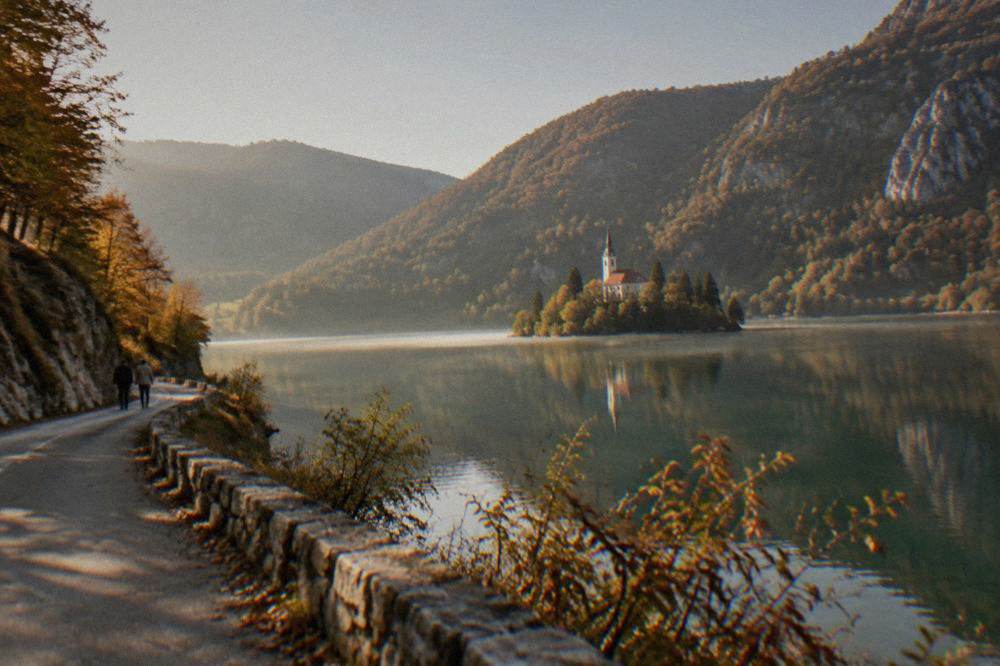
The setting is the other half of the visit. The peninsula road runs out along a narrow neck of land with water on both sides, and the shoreline walks around the monastery give views up both arms of the lake. Early morning and late afternoon light across the water is the reason photographers make the drive, and the friars' cemetery and gardens sit quietly at the far end.
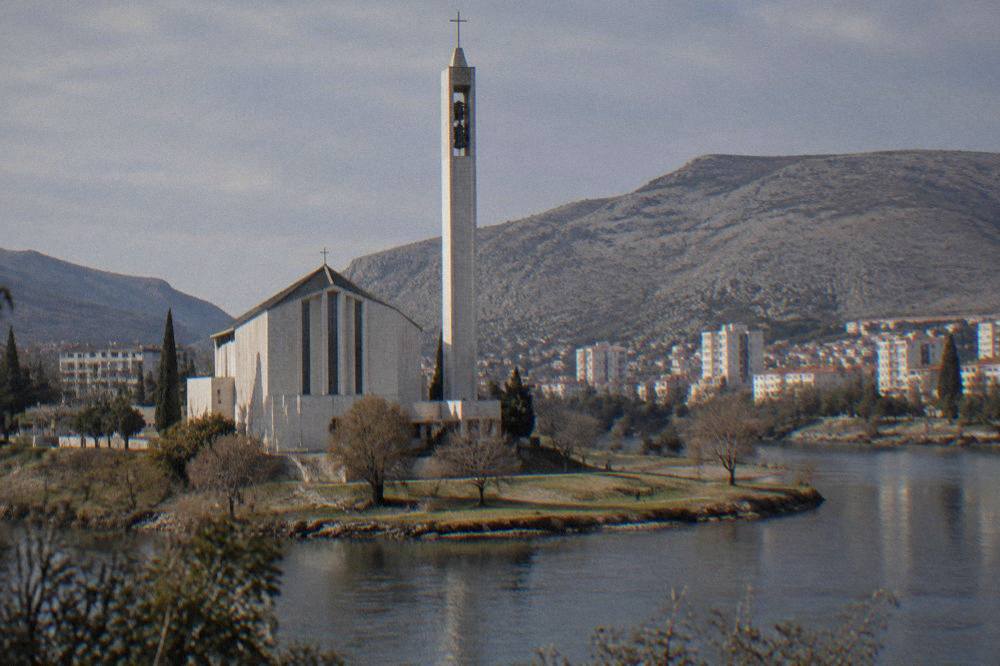
For context on the Franciscan presence in the region, the Franciscan heritage route around Mostar and the Zitomišći monastery day trip from Mostar both belong to the same story, and pairing one of them with a Rama trip gives the day a thread.
How Do You Plan The Day Trip From Mostar?
Plan Rama Lake as a full-day loop from Mostar with an early start: up the Neretva valley through Jablanica, into the Rama basin for the monastery and shoreline, then back either the same way or via Boračko jezero near Konjic, with stops timed for daylight because the mountain road is best not driven at night. A hired car or a private driver is the practical choice; there is no rail branch to Rama, and bus coverage to the lakeshore itself is thin, so check connections to Prozor-Rama in advance and expect to finish the leg locally.
The day breaks into three natural blocks. The first is the valley run from Mostar to Jablanica, about 57 minutes of free-flow driving past the Neretva's canyons and the dam landscapes that define this stretch of the river. The second is the climb from the valley into the Rama hills, the slowest part of the route. The third is the lake itself, where the monastery, the shoreline and lunch in Prozor-Rama or a village nearby fill a few unhurried hours.
Fuel and cash both matter more here than in the city. The convertible mark (KM) is the currency of Bosnia and Herzegovina, pegged at 1 EUR = 1.95583 KM, and small upland establishments prefer cash; euro notes are often accepted in tourist areas at a rounded rate, but confirm the rate before handing anything over. Fill the tank in the valley rather than betting on a station in the hills.
| Block of the day | What it involves | Practical note |
|---|---|---|
| Morning: valley run | Mostar to Jablanica along the Neretva, 47.4 km, about 57 min | Coffee and fuel stop; bridge ruins and museum at Jablanica |
| Midday: climb to Rama | Mountain road from the valley up to Prozor-Rama and the lake | Narrow and winding; drive in daylight |
| Afternoon: lake and Šćit | Monastery peninsula, shoreline walks, museum, lunch | Small cash fee for the museum; modest dress for the church |
| Return: loop option | Back via Konjic and optionally Boračko jezero, 89.9 km, about 113 min from Stari Most | Longest variant; leave before late afternoon |
If driving the whole loop sounds like too much wheel for one day, the alternative is to keep Mostar as the base and spend the saved energy closer to town. The Herzegovina classics south of the city, Blagaj, Počitelj and Kravica waterfall, fit a shorter radius and are covered in the Kravica waterfall guide, the Blagaj guide and the Počitelj guide.
Can You Swim Or Relax At Rama Lake From Mostar?
Rama Lake is a swimming-and-slow-morning kind of destination rather than a thrill one: the reservoir's summer water is calmer and warmer than the Neretva's, the shoreline has quiet spots for swimming and picnics, and paddling and small boats appear on the water in good weather, all with no entry fee for the lake itself. Unlike the Neretva, which stays cold even in August, a highland reservoir settles into swimmable summer temperatures. There are no lifeguards to rely on, so swim within your depth and mind boat traffic.
The contrast with the river is worth understanding before you choose where to get wet. The Neretva in Mostar is a cold, fast, dam-regulated river; Rama Lake is still, wooded and soft-edged. If your day trip is really about water, the choice is between the lake's easy swimming and Kravica waterfall's dramatic pool, where entry is 20 KM for an adult all year, 10 KM for residents of Bosnia and Herzegovina, and free for children under 7, with swimming allowed in summer in the designated area and no lifeguard reported.
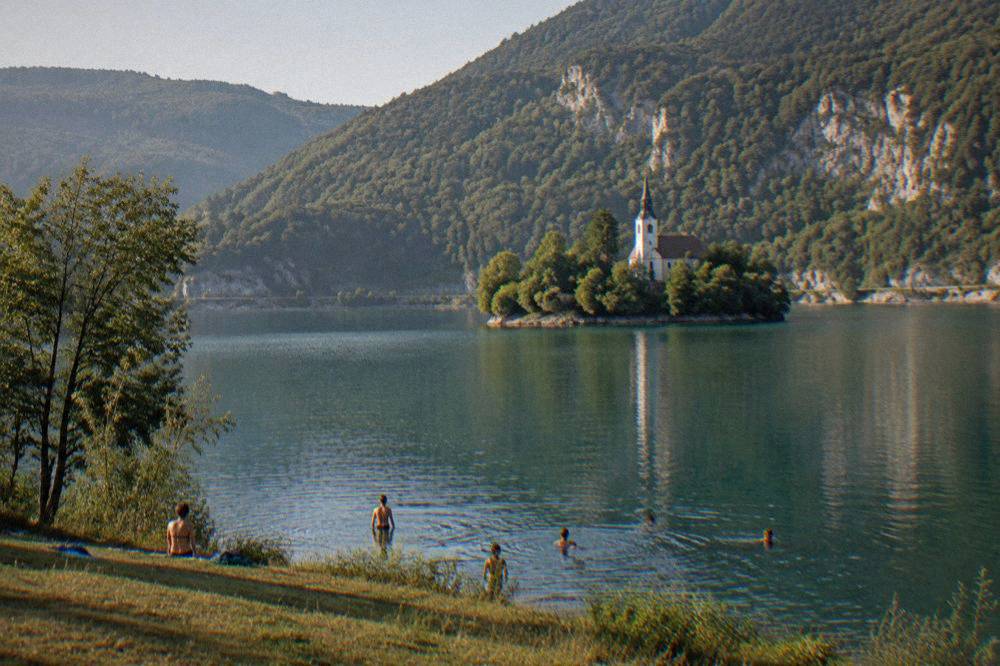
Fishing is part of the lake's local life, and permits are a local matter: ask in Prozor-Rama rather than assuming. Kayaks and small craft are sometimes available around the shoreline in season; treat any rental as a confirm-on-arrival arrangement rather than a guaranteed booking.
| Water spot within reach of Mostar | Water character | Swimming situation |
|---|---|---|
| Rama Lake | Still highland reservoir, wooded shores | Quiet informal swimming, no lifeguards |
| Boračko jezero | Mountain lake near Konjic, 89.9 km from Stari Most | Lakeside swimming and walks |
| Neretva at Mostar | Cold river even in August, dam-regulated | Not a casual swimming spot |
| Kravica waterfall | Falls into a wide pool, 55.2 km from Stari Most | Summer swimming in designated area, no lifeguard reported, 20 KM adult entry all year |
What Does The Rama Lake Area Cost From Mostar?
The lake and monastery are close to free: the shoreline costs nothing, the monastery church and grounds are open to visitors, and the only fixed fees are the monastery museum's small cash charge and whatever petrol, food and accommodation you add on the way. Herzegovina runs on the convertible mark, and upland restaurants and monastery shops are cash-first places, so a day at Rama is largely a fuel-and-food budget. The reported tourist tax of 3 KM per person per night in the canton applies if you sleep in the region, and it is worth confirming at booking since it is reported rather than set in stone here.
Compare that with the region's paid sights and the picture is consistent: Herzegovina's fees cluster at a handful of managed attractions and leave the rest open. Kravica waterfall is 20 KM all year; Radimlja's stećci necropolis near Stolac is 8 KM individual and 5 KM for groups and citizens; the Blagaj Tekke is reported at 10 KM. Rama asks almost nothing at the gate because there is no gate.
| Item on a Rama Lake day | Cost basis |
|---|---|
| Lake shoreline and walks | Free |
| Monastery church and grounds at Šćit | Open to visitors, no entry charge for the grounds |
| Monastery museum | Small cash fee at the door |
| Kravica waterfall, for comparison | 20 KM adult all year, under 7 free |
| Tourist tax, if staying overnight | Reported at 3 KM per person per night in the canton; confirm at booking |
Eating follows the same pattern. Village restaurants around the lake and in Prozor-Rama serve the region's trout, lamb and pie traditions at prices that stay modest next to the coast; a card may work in town, but do not build the day around it. The Bosnian food background on this site covers what to expect on a plate before you order.
What Is The Best Time Of Year For Rama Lake From Mostar?
Late spring through early autumn is the working season for a Rama Lake day trip from Mostar: the mountain road is fully pleasant from May to September, summer brings the warmest lake water while Mostar itself sits in valley heat, and autumn colours across the shoreline in October before the upland weather turns. The FHMZ station table for Mostar, 1961 to 1990, gives a July mean of 24.7 C against a January mean of 4.8 C, and the modelled ERA5 reanalysis, 1991 to 2020, puts mean daily highs at 29.9 C in July and 30.5 C in August in the valley: the Rama hills run cooler than both.
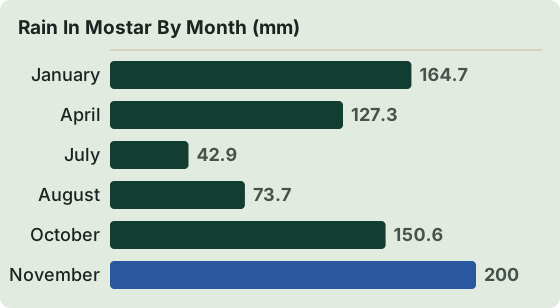
Rain matters more up here than down in Mostar. The same FHMZ series shows November as the rain month, 200.0 mm against July's 42.9 mm, and the ERA5 normals echo that shape with 235.8 mm in November against 45.4 mm in July. A wet November day on a narrow mountain road is a different proposition from a dry July one, and winter adds short daylight and possible ice to the climb, so the lake is really a half-season destination unless you live for misty monastery photographs.
| Month | Mostar valley mean temp (FHMZ 1961-1990) | Modelled mean daily high (ERA5 1991-2020) | Rain in Mostar (FHMZ 1961-1990) |
|---|---|---|---|
| January | 4.8 C | 8.4 C | 164.7 mm |
| April | 13.3 C | 17.7 C | 127.3 mm |
| July | 24.7 C | 29.9 C | 42.9 mm |
| August | 24.2 C | 30.5 C | 73.7 mm |
| October | 15.3 C | 19.5 C | 150.6 mm |
| November | 10.1 C | 14.1 C | 200.0 mm |
Mostar is hot in July and August, with an absolute maximum of 41.2 C recorded in July on the FHMZ series, and the Rama hills are the natural escape valve. Go up early, swim at midday, be back down in the valley for the evening.
Should You Combine Rama Lake With Jablanica Or Boračko Jezero?
Yes, and the road does the combining for you: Jablanica sits at the valley junction on the way north at 47.4 km and about 57 minutes from Stari Most, and Boračko jezero, at 89.9 km and about 113 minutes, makes a natural second lake if you return via Konjic, turning the Rama trip into a proper northern loop. Attempting Blidinje as well makes the day a marathon, and the coast is the wrong direction entirely.
Jablanica earns its stop on history alone. The ruined bridge on the Neretva there is the bridge of the Battle for the Wounded on the Neretva, blown during the war and left as a monument in the river, and the small museum of the same name sits above it; the museum's official page prints two different price lists, so expect a few KM and check the posted board. The Jablanica day trip guide covers the stop in full.
Boračko jezero is the softer half of the loop. A mountain lake ringed by hills near Konjic, it offers lakeside walks and swimming through the same warm months as Rama, and it returns you to the valley road at Konjic rather than doubling back through Jablanica. The Boračko jezero guide and the Konjic guide lay out the variants, including the ARK D-0 bunker tours that run from Konjic with booking required.
Can You Visit Rama Lake Without A Car From Mostar?
Partly: the train and bus network carries you up the Neretva valley from Mostar towards Jablanica and Konjic, but the climb from the valley into the Rama basin is the weak link, so a car-free visit means a bus or a taxi for the final leg and a plan checked the day before rather than improvised on arrival. Two trains a day run each way between Sarajevo and Čapljina via Mostar on the ZFBH timetable, with the service restored on 15 October 2026 after the suspension that began on 8 September 2026, and buses cover the valley towns more frequently.
The honest framing is that Rama Lake rewards wheels. A private driver for the day from Mostar is the standard solution for travellers who do not want to drive the mountain road themselves, and it converts the day from a logistics puzzle into a guided loop. Group tours from Mostar, by contrast, overwhelmingly run the southern Herzegovina circuit of Blagaj, Počitelj and Kravica rather than the northern lakes, so a Rama day without your own arrangement is unusual rather than standard.
If the car-free constraint wins, flip the plan: take the train north to Jablanica or Konjic for the day, which the Sarajevo line and the getting around coverage on this site support well, and keep Rama Lake for a future trip with a car.
What Should You Pack For A Rama Lake Day Trip From Mostar?
Pack for two climates in one day: valley summer weight for Mostar, a layer for the upland air at the lake, solid shoes for the monastery peninsula and shoreline paths, cash in convertible marks for the museum and village restaurants, and modest cover-ups for the monastery church. The temperature gap between the July valley and the Rama hills is real enough that a light jacket earns its place in the bag even when Mostar is sweltering.
The monastery is a working religious house, and the dress code is the ordinary one: shoulders and knees covered inside the church, quiet voices, and photography that respects worshippers. The shoreline is informal, but swimming costumes belong at the water's edge, not on the peninsula itself. Sun protection matters on the water in a way the valley does not prepare you for, since the lake reflects glare from two directions at once.
| Season | What the day demands |
|---|---|
| May to June | Layer for cool mornings at the lake, swimwear from late June, waterproof for afternoon showers |
| July to August | Valley heat gear for Mostar, one layer for the hills, sun protection for the water |
| September to October | Warm layer, walking shoes for damp shoreline paths, camera for autumn colour |
| November to April | Full warm kit, daylight-only driving plan, and check conditions before committing to the climb |
One more practical note: rural Herzegovina carries landmine warnings in places off the beaten track, and the standing advice from the national mine action centre is to stay on marked paths and roads. The monastery peninsula, the lake's shore roads and the established walking spots are ordinary visitor territory; a spontaneous cross-country shortcut is not.
Is Rama Lake Or Kravica Waterfall The Better Day Trip From Mostar?
They answer different questions: Kravica waterfall, at 55.2 km and about 54 minutes from Stari Most, is the dramatic half-day water sight with a 20 KM year-round entry fee and summer swimming in a designated pool, while Rama Lake is the slow full-day highland escape with a monastery, quiet swimming and almost no gate cost, so the better trip depends on whether you want spectacle or stillness. Time and temperament decide it more than quality, because both are genuinely good.
Kravica rewards a tight schedule. The park is open all year with hours by month, 07:00 to 22:00 from June to September, tightening to 07:00 to 17:00 in January, February, November and December, and the falls sit in a wide amphitheatre you can see, swim under and leave inside a half-day. Rama asks for the whole day and pays it back in quiet: two arms of water, a Franciscan peninsula, and village lunches with no queue anywhere. Families with restless children usually lean Kravica; anyone recovering from a hot city leans Rama.
| Question | Kravica waterfall | Rama Lake |
|---|---|---|
| Distance from Stari Most | 55.2 km, about 54 min | Full northern loop via Jablanica, 47.4 km to the valley junction |
| Time needed | Half a day | A full day |
| Entry cost | 20 KM adult all year, under 7 free | Lake free, museum a small cash fee |
| Swimming | Summer, designated area, no lifeguard reported | Informal shoreline swimming, no lifeguards |
| Signature sight | The falls and pool | The monastery at Šćit between the lake's arms |
Common Questions About Rama Lake Near Mostar
How far is Rama Lake from Mostar?
Rama Lake sits in the hills above Prozor-Rama in northern Herzegovina, reached from Mostar by driving up the Neretva valley; Jablanica, at the valley junction on the way, is 47.4 km and about 57 minutes by road from Stari Most, with the mountain climb to the lake continuing from there. Plan it as a full-day loop.
Is the monastery at Šćit open to visitors?
Yes. The Franciscan monastery's church and grounds on the peninsula welcome respectful visitors, and the museum of Franciscan heritage asks a small cash fee at the door. Dress with shoulders and knees covered inside the church and carry convertible marks.
Can you swim in Rama Lake?
Yes, in the ordinary informal sense: the reservoir's summer water is far more swimmable than the cold Neretva, and the shoreline has quiet spots with no entry fee. There are no lifeguards, so swim within your depth and mind any boat traffic.
What is the best month to visit Rama Lake from Mostar?
May through September works best, with July and August giving the warmest lake water while Mostar sits in valley heat; the FHMZ station series for Mostar, 1961 to 1990, records a July mean of 24.7 C and an absolute maximum of 41.2 C in the valley, and the Rama hills run cooler than both. October adds autumn colour before November, at 200.0 mm the rain month on that series, closes the comfortable season.
Can you reach Rama Lake by public transport from Mostar?
Only partly. Trains and buses run up the Neretva valley from Mostar towards Jablanica and Konjic, with two trains a day each way on the Sarajevo to Čapljina line, but the climb from the valley into the Rama basin needs a local bus or a taxi, so check the final leg the day before or hire a driver for the day.
Does it cost anything to visit Rama Lake?
The lake and shoreline cost nothing, and the monastery grounds are free, with only the museum asking a small cash fee. Budget for fuel and food, carry marks rather than relying on cards in the villages, and note the reported 3 KM per person per night tourist tax in the canton if you stay overnight, confirming it at booking.