The War In Mostar, 1992-1995: What Happened And Where To Learn More
Mostar, an inland city on the Neretva river in Herzegovina, carries the physical record of the 1992 to 1995 war in its stones. This guide sets out the documented dates and facts, the sites where the story is told, and how to plan a visit around them.
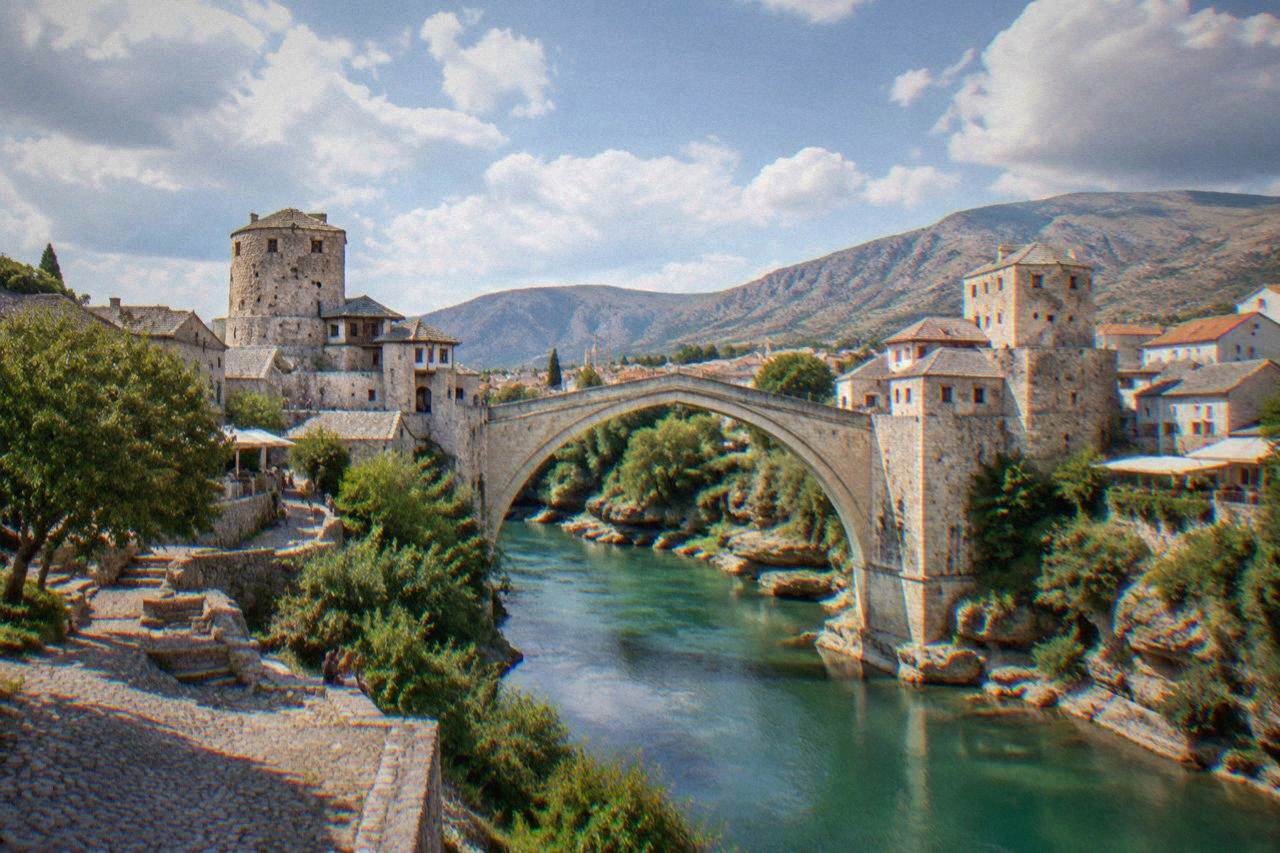
The war in Bosnia and Herzegovina ran from 1992 to 1995, and Mostar was heavily damaged. The Old Bridge, Stari Most, was destroyed on 9 November 1993 and rebuilt and reopened in July 2004, with reconstruction supported by UNESCO and World Bank partners. The Old Bridge Area is now a UNESCO World Heritage property, inscribed in 2005.
Mostar sits inland on the Neretva river in Herzegovina, Bosnia and Herzegovina, and its war history is written into the city itself: in the rebuilt arch of Stari Most, in the bullet-scarred facades that still stand beside restored ones, and in the memorials and museums that opened in the years after the fighting ended. The war in Bosnia and Herzegovina lasted from 1992 to 1995, and few cities recorded it as visibly as this one. This guide from the Mostar Travel Guide editorial desk sets out what is documented: the key dates, the physical facts about what was destroyed and rebuilt, the sites where the story is preserved, and the practical decisions for a visit built around them. The register throughout is deliberately plain. Dates, structures and funding, as official records state them, and nothing editorialised beyond that.
What Happened In Mostar During The War, 1992 To 1995?
The war in Bosnia and Herzegovina ran from 1992 to 1995, and Mostar was one of the cities most heavily marked by it: its Old Bridge was destroyed on 9 November 1993, large parts of the old town were reduced to rubble, and the rebuilt city that visitors walk today took shape only after the fighting ended. The reconstruction of the Old Bridge was supported by UNESCO and World Bank partners, and the bridge reopened in July 2004. A year later, in 2005, the Old Bridge Area of the Old City of Mostar was inscribed on the UNESCO World Heritage List as property 946, under cultural criterion (vi).
For orientation, the essentials are these. The city's name first appears in a written document of 1474, and it grew around a river crossing, its name derived from "mostari", the bridge keepers. The Ottoman stone bridge completed in 1566 under Suleiman the Magnificent, designed by mimar Hajruddin following the approach of his master Sinan, held for over four centuries. The war ended in 1995. Rebuilding began after that, and the single most consequential act of it, the reconstruction of Stari Most, finished in 2004. Anything a visitor sees in the old town today is either a survivor, a ruin deliberately kept, or a reconstruction.
The table below holds the dated facts that the rest of this guide refers back to. Each is a physical fact or a date, nothing more.
| Year | Event in Mostar |
|---|---|
| 1474 | First written mention of the name Mostar, in a Dubrovnik Republic document |
| 1566 | Completion of the stone Old Bridge under Suleiman the Magnificent |
| 1992 | War reaches Bosnia and Herzegovina; fighting spreads to Mostar |
| 9 November 1993 | The Old Bridge, Stari Most, is destroyed |
| 1995 | The war in Bosnia and Herzegovina ends |
| July 2004 | The rebuilt Old Bridge is reopened |
| 2005 | The Old Bridge Area of the Old City of Mostar is inscribed by UNESCO, property 946 |
| 2022 | Over 700 stone memorial markers at the Partisan Memorial Cemetery are destroyed |
Why Was The Old Bridge Destroyed On 9 November 1993?
Stari Most, the 1566 stone bridge over the Neretva, was destroyed by artillery fire on 9 November 1993 during the war, and its reconstruction using original materials and techniques, supported by UNESCO and World Bank partners, was completed with a reopening in July 2004. The bridge stands about 21 to 24 metres above the river depending on the water level, with a span of about 29 metres, built of local tenelija limestone. Crossing it today is free and possible at any hour, as it is a public pedestrian route.
What a visitor should understand about the bridge is scale of loss and scale of repair, both of which are physical facts. When the arch fell, the limestone blocks went into the Neretva. The rebuilding project recovered original stone from the riverbed and reused it where possible, and stonemasons trained in the original techniques worked the replacement blocks. The reopened bridge is therefore neither a replica in modern materials nor a ruin: it is a documented reconstruction, and the UNESCO inscription of the surrounding old city area in 2005 followed it a year later.
The destruction of the bridge is the single most asked-about event of the war in Mostar, and the sites that explain it sit within a few minutes' walk of one another: the bridge itself, the Old Bridge Museum in the Tara tower, and the viewing points along the Neretva. Deeper context on the wider war is the subject of the tours below, which is where the narrative history belongs.
The bridge keepers' name lives on in another way too: the Mostari diving club, whose members jump from the bridge, held the 460th edition of its traditional diving competition on 26 July in 2026, a custom that runs on club training of one to three years before a member jumps solo. Visitors do not jump; the club reports no pay-to-jump option for untrained guests. More on that tradition sits in the Mostar bridge diving guide.
Which Mostar Sites Tell The War Story Today?
The main sites in Mostar that document the war years are the rebuilt Stari Most itself, the Old Bridge Museum in the Tara tower, the Museum of War and Genocide Victims, the War Photo Exhibition, the Koski Mehmed-pašina džamija minaret viewpoint over the old town, and the Partisan Memorial Cemetery on the hill above the city, and all of them sit within or beside the UNESCO-inscribed old city area except the cemetery. Together they cover the destruction, the rebuilding and the aftermath in a single day of walking, with Spanish Square and the Neretva banks linking them.
Each site carries a different piece of the record. The bridge and its museum hold the destruction and reconstruction story. The Museum of War and Genocide Victims and the War Photo Exhibition hold the civilian record. The Partisan Memorial Cemetery is a different kind of site altogether: a 1965 monument by architect Bogdan Bogdanović, listed by Europa Nostra among Europe's most endangered heritage after over 700 of its stone memorial markers were destroyed in 2022, and now the subject of calls for urgent protection and revitalisation.
| Site | What it holds | Access |
|---|---|---|
| Stari Most | The rebuilt 1566 bridge; reconstruction completed 2004 | Free, open 24/7, public pedestrian route |
| Old Bridge Museum (Tara tower) | The bridge's history, destruction and reconstruction | Reported hours 08:00 to 16:00 daily from 1 April to 1 November; a reported admission of about 10 KM, confirm on site |
| Koski Mehmed-pašina džamija | Ottoman mosque beside the bridge, with minaret views over the old town | A small reported cash fee, more including the minaret; confirm on site |
| Museum of War and Genocide Victims | The civilian record of the war years | Hours and admission on site |
| War Photo Exhibition | Photographs from the war period | Hours and admission on site |
| Partisan Memorial Cemetery | 1965 monument by Bogdan Bogdanović, damaged in 2022 | Unstaffed, no ticket; Europa Nostra advises limited access |
| Partisan Memorial Cemetery context | Listed among Europe's 7 Most Endangered heritage sites, report presented May 2026 | See below |
Two of these sites have their own pages on this site with fuller detail: the Museum of War and Genocide Victims and the War Photo Exhibition. Treat the Old Bridge Museum's reported admission and hours as approximate and confirm at the door.
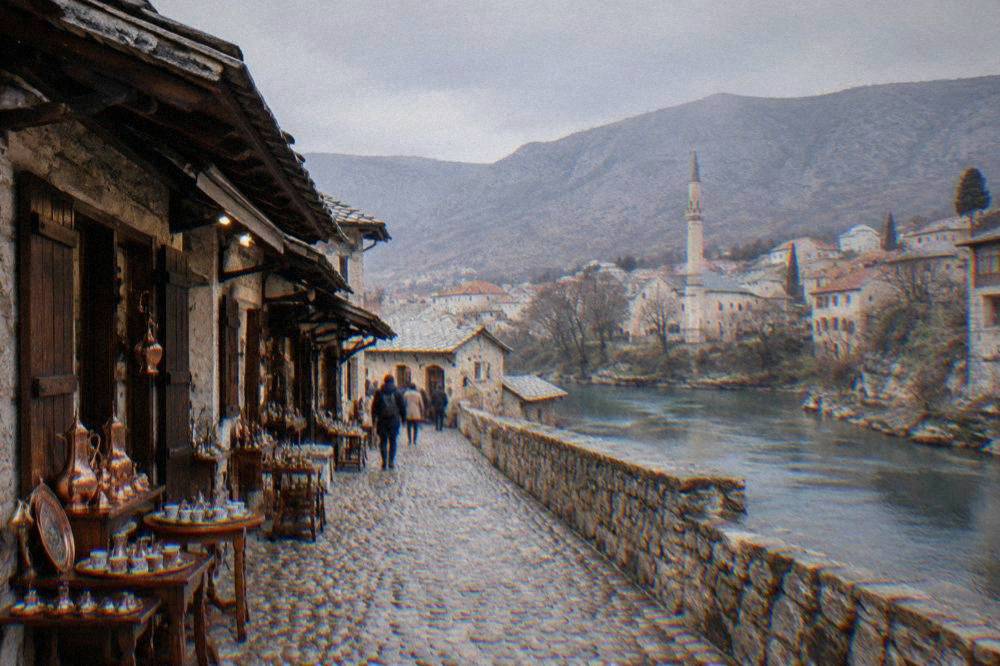
A note on register for all of them. The museums and memorials state what happened, in dates, photographs and objects. The city around them states it too, in facades that were never rebuilt standing next to ones that were. A visitor moving between the two reads the war record twice, once curated and once in situ, and both halves are within walking distance of Stari Most.
Can You Visit The Partisan Memorial Cemetery And Other Memorial Sites?
Yes, the Partisan Memorial Cemetery in Mostar is physically accessible with no ticket and no staffed hours, but Europa Nostra, which listed it among Europe's 7 Most Endangered sites, describes it as endangered and calls for urgent protection and revitalisation, and advises limited and cautious access; over 700 of its stone memorial markers were destroyed in 2022. The cemetery was inaugurated in 1965 to a design by Bogdan Bogdanović and holds national monument designation, and its condition is now the subject of an official revitalisation appeal presented in May 2026.
The cemetery is a short ride or a stiff walk uphill from the old town. What a visitor finds there is a large terraced monument in poor condition: vegetation, damaged markers and no visitor infrastructure. That state is itself part of the record, and Europa Nostra's report treats it as heritage at risk rather than as an abandoned site. Go in daylight, stay on the paved paths, and expect no facilities of any kind.
Elsewhere in Herzegovina, memorial sites connected to the same war period include the destroyed bridge on the Neretva at Jablanica and the Museum Battle for the Wounded beside it, about 47 km and roughly 57 minutes by road from Stari Most. The museum's official page prints two inconsistent price lists, so expect an admission of a few KM and confirm at the desk; the ruined bridge itself is outdoors and free to view. Practical planning for that corridor sits in the Bosnia and Herzegovina travel tips guide.
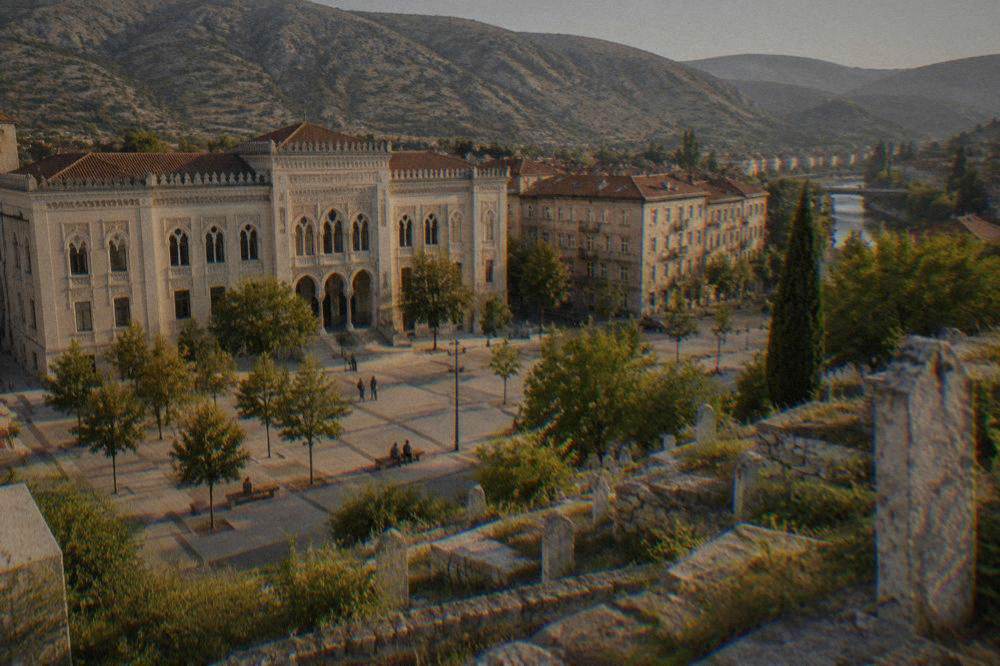
For the city itself, a guided walk is the most direct way to place the sites in sequence, and the tour below is built exactly around that. Details and current pricing render on the operator's live listing.
The companion walk below covers the same period with a different route emphasis; both are walking tours of central Mostar.
How Has Mostar Been Rebuilt Since 2004?
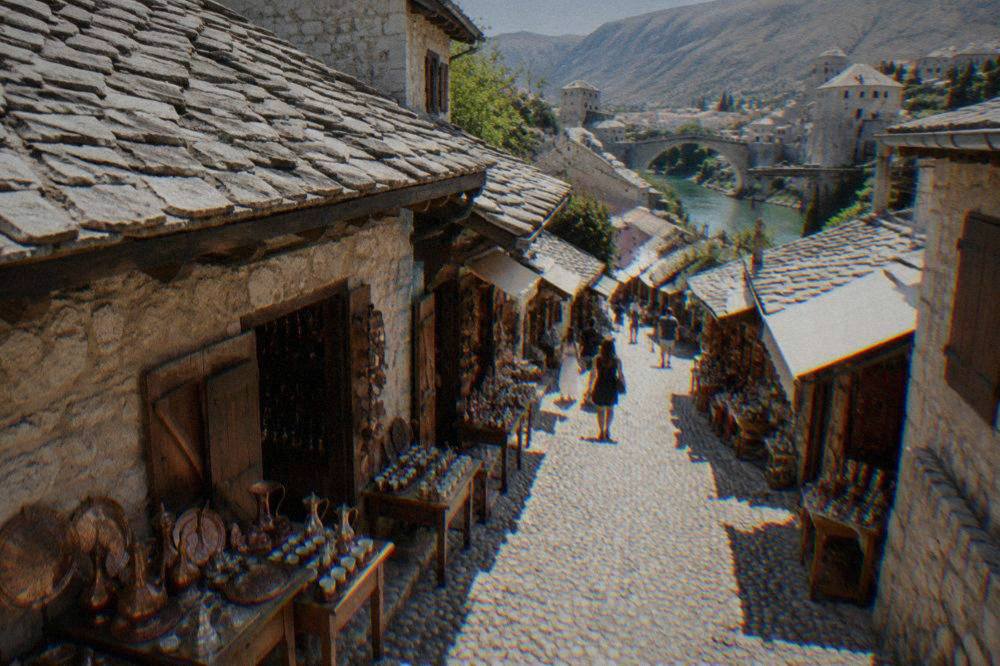
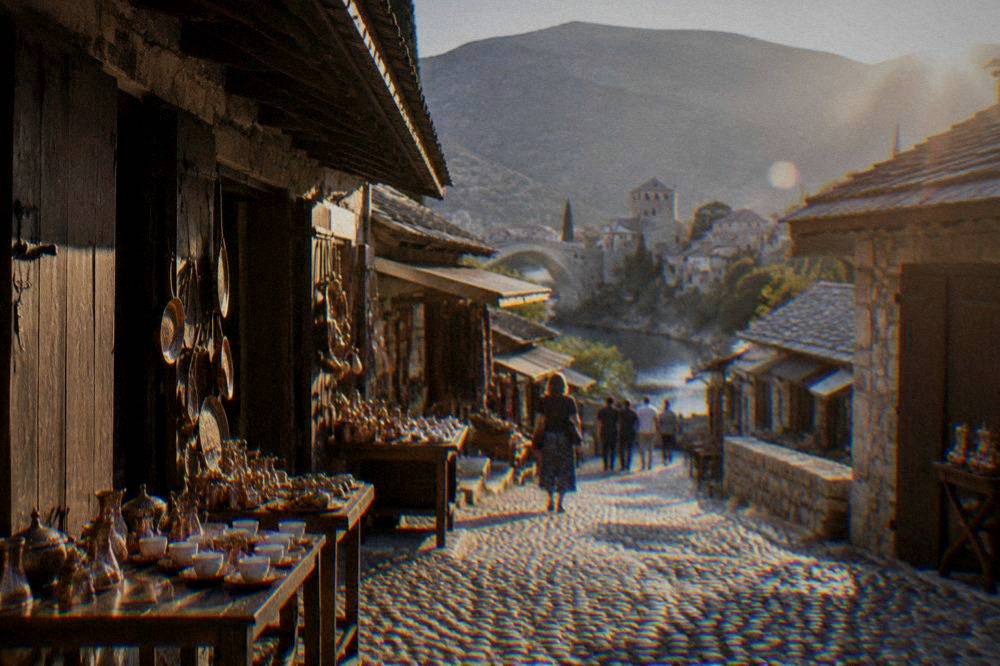
Mostar's rebuilding since the Old Bridge reopened in July 2004 has combined reconstruction with original materials, UNESCO inscription of the old city area in 2005, and ongoing civic construction, including the new HNK Mostar theatre building, whose completion is estimated for spring 2028, and the temporary Museum of the Holy Trinity Orthodox Cathedral, which opened in May 2025. The old town around Stari Most was rebuilt in stone in the years after the war, and its Kujundžiluk bazaar street, Kriva ćuprija and the Ottoman houses were restored as visitor sites.
The rebuilding has not been only about the bridge. The Partisan Memorial Cemetery, badly damaged in 2022, awaits the revitalisation that Europa Nostra called for in its 2026 report. The Hotel Ero, a landmark on the main square, is slated for reconstruction as an administrative headquarters under a tendered project valued at about 23 million KM. Corridor Vc motorway works continue around the city, with the Mostar North to Mostar South section rerouted in September 2026 toward a new Livač tunnel and a south bypass under construction. In short, the city a visitor sees in 2026 is still mid-transformation, and that is visible.
| Rebuilding fact | Detail | Status |
|---|---|---|
| Old Bridge reconstruction | Original materials and techniques; supported by UNESCO and World Bank partners | Reopened July 2004 |
| UNESCO inscription | Old Bridge Area of the Old City of Mostar, property 946, criterion (vi) | 2005 |
| Partisan Memorial Cemetery | Over 700 markers destroyed in 2022; Europa Nostra 7 Most Endangered report | Revitalisation called for, presented May 2026 |
| HNK Mostar theatre | New building under construction | Completion estimated spring 2028 |
| Hotel Ero | Reconstruction as cantonal administrative HQ, about 23 million KM | Works expected to start under the tendered project |
| Museum of the Holy Trinity Cathedral | Temporary museum opened May 2025 | Open |
The Ottoman houses give the rebuilding its most tangible visitor form. Bišćević House and Muslibegović House operate as museums of domestic life from the period long before the war, with reported admissions of about 4 KM and about 8 KM respectively; confirm the current figure at the door. Their survival through the war years, restoration, and present use as museums is part of the same continuity the bridge now carries.
Is It Safe To Visit Mostar Now?
Mostar is a normal, functioning visitor city, and the practical safety advice for it is the same as for anywhere in the region: the emergency number is 112, with 122 for police, 123 for fire and 124 for ambulance, and the one Herzegovina-specific rule is to stay on marked paths in rural areas because of suspected minefields, which the national clearance authority BHMAC maps and publishes. In the city itself, the old town is public and walkable at any hour, and the war sites described above are ordinary visitor destinations with no restrictions beyond the cemetery's advised caution.
The mine warning deserves its own sentence, because it is the one genuinely local safety fact. Rural Herzegovina still carries suspected mine areas from the war, and BHMAC maintains the data and a mobile app of suspected areas. The rule is simple and absolute: on marked paths only, never into uncleared ground, and this applies to hiking around the city, not to the paved old town.
Beyond that, ordinary travel precautions apply. Tap water is generally treated and safe. Plugs are type C and F at 230 V. Bosnia and Herzegovina is not in the EU and not in Schengen; the border with Croatia is a Schengen external border with full checks since 1 January 2023, and ETIAS is not in operation. The currency is the convertible mark, pegged at 1 EUR to 1.95583 KM. Fuller practical detail, including a reported tourist tax of 3 KM per person per night in the canton that you should confirm at booking, sits in the Mostar money guide and the border crossing guide.
How Do You Plan A War-History Visit To Mostar?
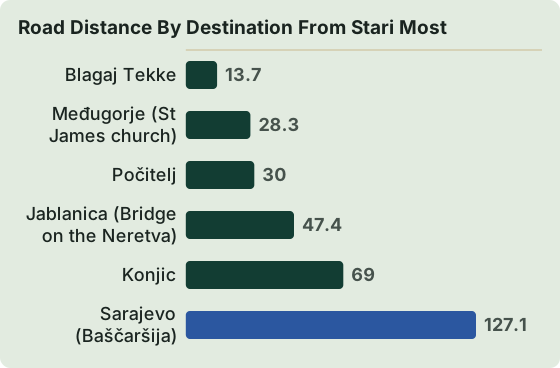
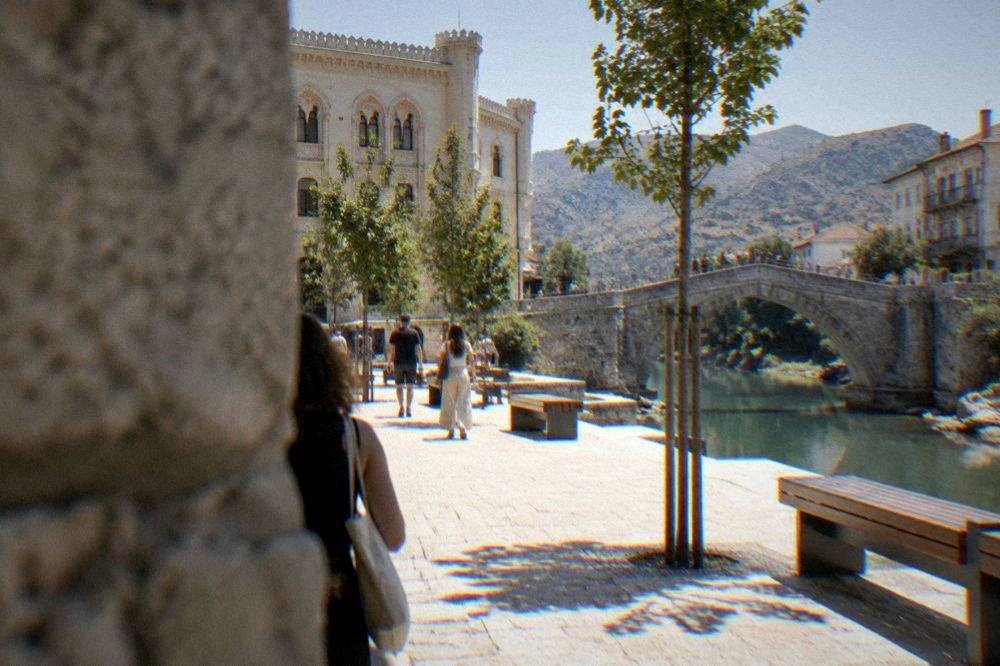
Plan one focused day in central Mostar around Stari Most, the Old Bridge Museum, the War Photo Exhibition and the Museum of War and Genocide Victims, add the Partisan Memorial Cemetery in daylight, and treat a guided war-history walk as the frame that puts the sites in sequence; distances are short, the old town is compact, and everything above sits within roughly 20 minutes' walk of the bridge except the cemetery and the out-of-town memorials. Allow a second day for Jablanica if the museum there matters to you, about 47 km north by road.
The table below collects the road distances that matter for this itinerary, computed as free-flow times from Stari Most, border queues excluded.
| Destination from Stari Most | Road distance | Free-flow time |
|---|---|---|
| Partisan Memorial Cemetery area (city hillside) | within the city | short taxi or uphill walk |
| Blagaj Tekke | 13.7 km | about 19 min |
| Međugorje (St James church) | 28.3 km | about 40 min |
| Počitelj | 30.0 km | about 31 min |
| Jablanica (Bridge on the Neretva) | 47.4 km | about 57 min |
| Konjic | 69.0 km | about 80 min |
| Sarajevo (Baščaršija) | 127.1 km | about 134 min |
Timing matters less than temperature. The FHMZ station table for Mostar, 1961 to 1990, puts the January mean at 4.8 C and the July mean at 24.7 C, with an absolute maximum of 41.2 C recorded in July; the ERA5 reanalysis for 1991 to 2020 models mean daily highs of 29.9 C in July and 30.5 C in August against 8.4 C in January. Rain follows a winter maximum, with November averaging 200.0 mm against July's 42.9 mm. Spring and autumn are the comfortable seasons for a walking-heavy history itinerary, and the details sit in the best time to visit guide and the Mostar weather guide.
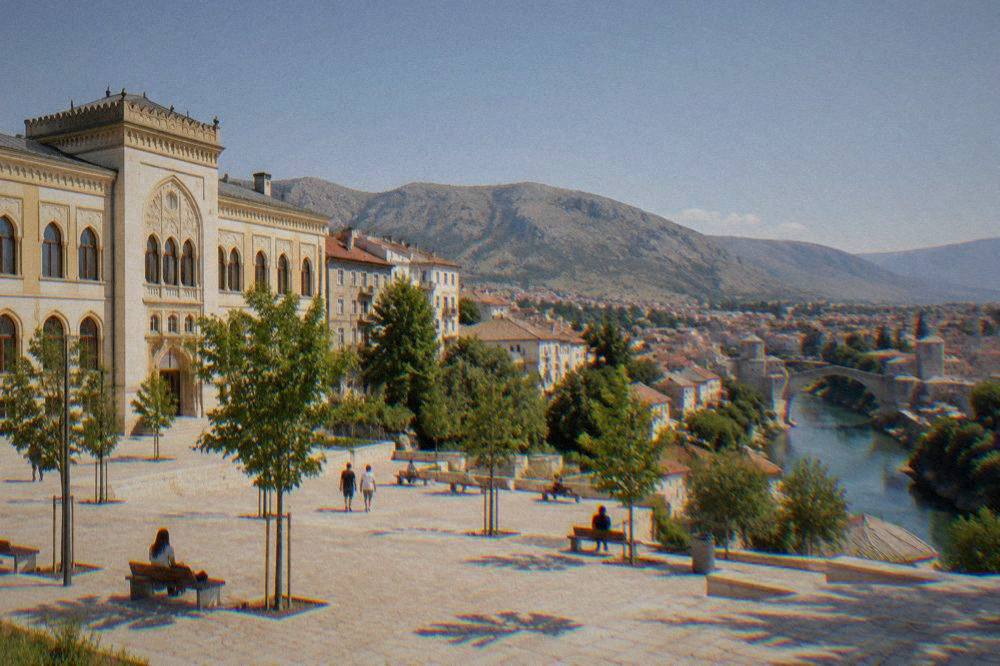
For getting there, visitors arrive via Sarajevo or Dubrovnik; the train between Sarajevo and Čapljina via Mostar runs two trains a day each way after service resumed on 15 October 2026, and the journey takes about two hours from Sarajevo. The how to get to Mostar guide holds the fuller picture, with separate pages for the Dubrovnik route and the Sarajevo route.
One further planning note. The war-history sites of central Mostar sit inside or beside the same UNESCO old city area that draws every visitor to the city, so a history visit does not require a separate itinerary. A first-time visitor following the one day in Mostar plan will pass most of these sites anyway; what changes is the attention paid, and a guide who can name the dates while standing in front of the facades is where the value sits. For an evening after a heavy morning of memorials, the Bosnian food guide and the ćevapi guide point to the table.
If the war-history focus leaves room for one contrasting day in the countryside, the Herzegovina circuit below is the natural companion: Blagaj, Počitelj and Kravica waterfall, all within an hour's drive, all of them landscapes rather than memorials.
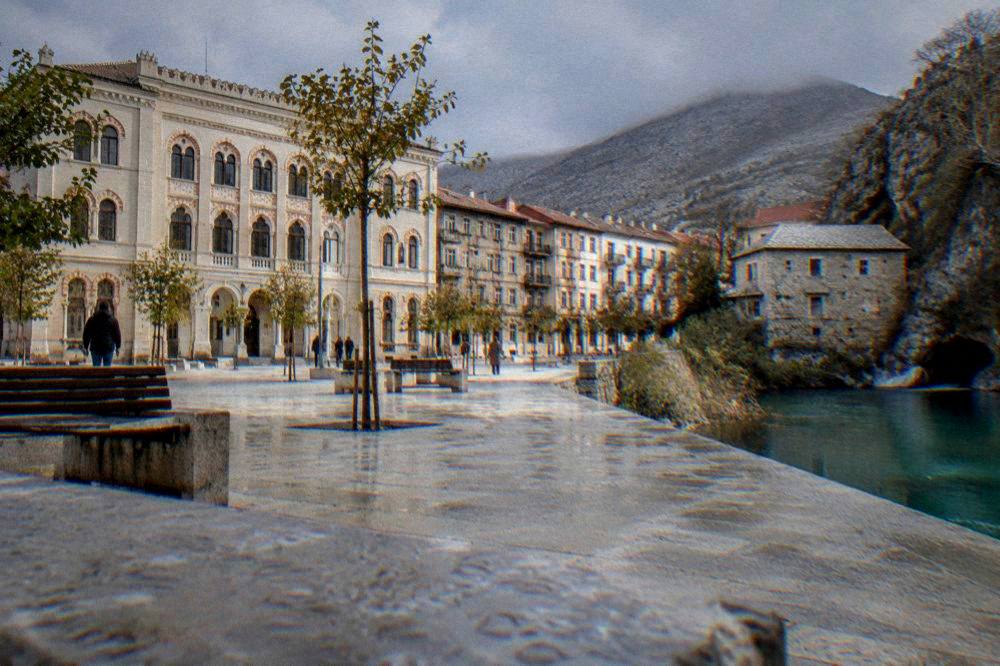
Kravica waterfall, for the record, is 55.2 km and about 54 minutes by road from Stari Most, open all year with entry at 20 KM for an adult and hours that run from 07:00 to 22:00 in June through September. Those figures, unlike the war dates above, are worth double-checking on the park's own visitor page before you commit a day.
Common Questions About The War In Mostar
When was the Mostar bridge destroyed?
Stari Most, the stone bridge completed in 1566, was destroyed on 9 November 1993 during the war in Bosnia and Herzegovina. It was rebuilt with original materials and techniques and reopened in July 2004.
Has the Mostar bridge been rebuilt?
Yes. Reconstruction supported by UNESCO and World Bank partners finished with a reopening in July 2004, and the Old Bridge Area of the Old City of Mostar was inscribed on the UNESCO World Heritage List in 2005.
How long did the war in Mostar last?
The war in Bosnia and Herzegovina ran from 1992 to 1995, and Mostar was heavily damaged during it. Key dated facts: the Old Bridge fell on 9 November 1993 and the rebuilt bridge reopened in July 2004.
Can tourists visit the Partisan Memorial Cemetery in Mostar?
Yes, with caution. The 1965 monument by Bogdan Bogdanović is unstaffed with no ticket, but Europa Nostra lists it among Europe's 7 Most Endangered sites after over 700 of its stone markers were destroyed in 2022, and advises limited access. Visit in daylight and stay on paved paths.
Is Mostar safe to walk around now?
The old town is a public, walkable area and the war sites are ordinary visitor destinations. The one regional rule is to stay on marked paths in rural Herzegovina because of suspected mine areas mapped by BHMAC. The emergency number is 112.
Where can you learn about the war in Mostar?
The main sites are the rebuilt Stari Most, the Old Bridge Museum in the Tara tower, the Museum of War and Genocide Victims, the War Photo Exhibition, and the Partisan Memorial Cemetery. A guided war-history walking tour ties the sites and dates together.